

The Art and Tradition of the Deer Head Mount and Bear Mount
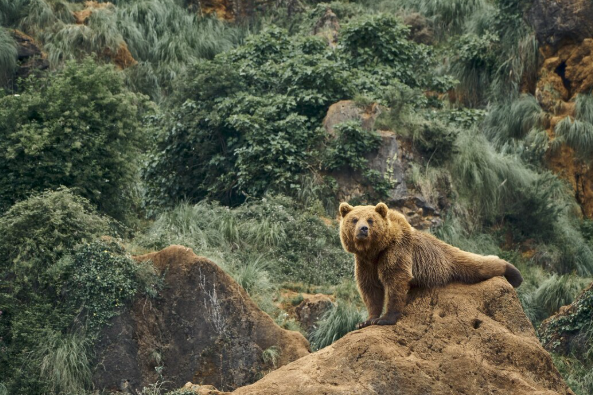
Hunting has long been connected to heritage, conservation, and respect for wildlife. For many outdoor enthusiasts, preserving the memory of a successful hunt goes beyond photographs. Taxidermy offers a meaningful way to honor the animal and celebrate the experience. Among the most popular choices are the Deer Head Mount and the Bear Mount, both of which represent skill, patience, and a deep appreciation for nature. These mounts not only preserve the physical characteristics of the animal but also capture a moment in time that holds personal significance for the hunter.
A Deer Head Mount is one of the most traditional and recognizable forms of taxidermy. Commonly displayed in homes, cabins, and lodges, it symbolizes the culmination of careful tracking, ethical hunting, and an understanding of the outdoors. Whitetail and mule deer are especially popular for this type of mount because of their impressive antlers and distinctive features. The mounted head showcases the animal’s alert expression, textured fur, and symmetrical antlers, creating a natural and lifelike presentation.
The process of creating a Deer Head Mount involves precision and artistry. After the harvest, proper field care is essential to preserve the hide and prevent damage. A skilled taxidermist carefully prepares the skin, treats it to prevent decay, and mounts it over a sculpted form designed to replicate the deer’s natural anatomy. Attention to detail is crucial, from positioning the ears to setting the eyes in a way that reflects realism. The finished piece becomes more than decoration; it becomes a tribute to wildlife and the outdoors.
While deer mounts are classic, a Bear Mount carries a different kind of presence. Bears are powerful, majestic animals that command respect. Whether it is a black bear or a larger species, a mounted bear often serves as a striking focal point in a room. Unlike the typical shoulder mount of a deer, bear taxidermy can take multiple forms. A Bear Mount may be displayed as a full-body mount standing upright, walking on all fours, or even positioned in a dynamic, lifelike scene.
The craftsmanship behind a Bear Mount is complex due to the size and structure of the animal. Bears have dense fur, heavy musculature, and unique facial characteristics that require specialized skill to replicate accurately. The taxidermist must ensure that the mount captures the bear’s strength and natural stance. From shaping the body form to grooming the fur for realism, every detail contributes to a finished product that feels authentic and respectful.
Both the Deer Head Mount and the Bear Mount reflect personal achievement. For many hunters, these mounts serve as reminders of time spent outdoors with family and friends. They represent early mornings in the woods, the patience required for a successful harvest, and the responsibility of ethical hunting practices. Displaying such mounts can spark stories and conversations, passing traditions down to younger generations.
Beyond personal meaning, these mounts also highlight the importance of wildlife management and conservation. Responsible hunting supports balanced ecosystems and sustainable animal populations. By choosing to preserve an animal through taxidermy, hunters often express gratitude for the opportunity and respect for the species. A well-crafted Deer Head Mount or Bear Mount stands as a symbol of this relationship between humans and nature.
Interior design also plays a role in the popularity of these mounts. Rustic and lodge-style décor often incorporates natural elements such as wood, stone, and leather. A Deer Head Mount fits seamlessly into these environments, adding character and authenticity. It can be placed above a fireplace, in a study, or in a dedicated trophy room. The antlers create visual interest and dimension, making the mount both decorative and meaningful.
Similarly, a Bear Mount can transform a space with its commanding presence. In larger rooms, a full-body bear mount may become the centerpiece, while a shoulder mount offers a more compact yet still impressive display. Proper placement ensures that the mount is showcased respectfully and safely. Lighting can enhance the details of the fur and facial expression, emphasizing the artistry behind the work.
Maintenance is another important consideration. To preserve a Deer Head Mount or Bear Mount, regular care is essential. Dust should be gently removed with a soft brush or cloth, and the mount should be kept away from direct sunlight and excessive humidity. Proper care helps maintain the color, texture, and structural integrity of the piece for many years. When maintained correctly, these mounts can last for decades, becoming cherished heirlooms.
Ethics and legality are also central to taxidermy. Hunters must follow local regulations regarding harvest seasons, licensing, and species protection. A reputable taxidermist will ensure that all work complies with wildlife laws. This reinforces the idea that a Deer Head Mount or Bear Mount is not merely a decorative object but a reflection of lawful and responsible hunting practices.
In recent years, advancements in materials and techniques have improved the quality of taxidermy. Modern forms are more anatomically accurate, and improved tanning processes help preserve hides more effectively. As a result, today’s Deer Head Mount options often display remarkable realism. Likewise, a Bear Mount created with contemporary methods can capture intricate details such as muscle tone and facial expression with impressive accuracy.
Choosing between different poses and styles allows hunters to personalize their mount. A Deer Head Mount may feature a straight-forward gaze, a slight turn of the head, or even a more dramatic angle that highlights the antlers. A Bear Mount might depict the animal mid-stride or standing in a powerful stance. These choices reflect the hunter’s memory of the encounter and the story they wish to tell.
Ultimately, the decision to create a Deer Head Mount or Bear Mount is deeply personal. For some, it is about honoring tradition and celebrating heritage. For others, it is about preserving a once-in-a-lifetime experience. In both cases, the mount becomes a physical reminder of time spent in nature and the respect owed to wildlife.
Taxidermy, when practiced ethically and skillfully, blends art and outdoor culture. The Deer Head Mount stands as a timeless symbol of hunting tradition, while the Bear Mount represents strength and wilderness. Together, they illustrate the balance between human pursuit and appreciation of the natural world. Through careful craftsmanship and responsible practices, these mounts continue to hold meaning for generations of outdoor enthusiasts.

 Arabic
 French
 Spanish
 Portuguese
 Deutsch
 Turkish
 Dutch
Dutch
 Italiano
 Russian
 Romaian
 Portuguese (Brazil)
 Greek
Greek