

Exploring the Unique World of 12-String Acoustic-Electric Harp Guitars
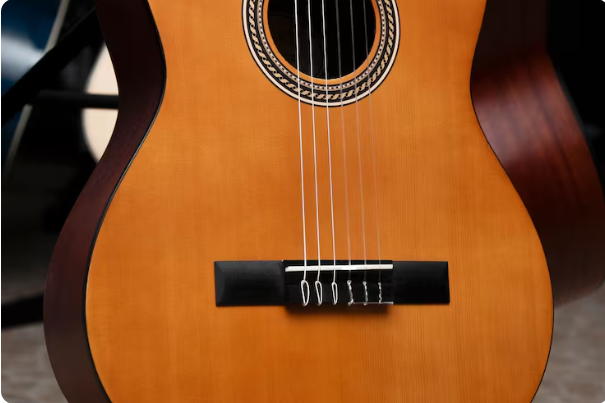
Music has always been a realm where innovation meets tradition, and among the most intriguing instruments to emerge in recent years is the 12-string Acoustic-Electric harp guitar. This instrument combines the rich, resonant qualities of a traditional acoustic guitar with the harmonic possibilities of extended harp-like strings, offering musicians an expansive palette of sound. The addition of electric amplification makes it versatile for both live performance and studio recording, making it a standout choice for artists seeking a unique voice in their music.
The 12-string Acoustic-Electric harp guitar differs significantly from standard guitars. While a traditional 6- or 12-string guitar provides chordal and melodic capabilities, the harp guitar adds a set of unstopped bass strings that resonate freely, creating a lush, layered sound. This design allows musicians to play melody lines on the fretted neck while simultaneously plucking sympathetic strings for a fuller harmonic experience. The combination of acoustic resonance and electric amplification ensures that every nuance of the performance is captured, from subtle fingerpicking to bold, expressive strums.
One of the most captivating aspects of the 12-string Acoustic-Electric harp guitar is its versatility across genres. Folk and classical guitarists find it particularly appealing for its ability to produce deep, resonant bass notes alongside intricate melodies. Contemporary musicians, especially those in jazz and progressive rock, appreciate the instrument’s unique voice, which stands out in both solo performances and ensemble settings. The electric component allows for seamless integration into amplified settings, enabling musicians to explore effects and sound manipulations without losing the natural tonal qualities of the instrument.
In addition to its musical advantages, the design of the 12-string Acoustic-Electric harp guitar is a testament to craftsmanship and innovation. Luthiers pay close attention to the balance between the main fretted strings and the extended harp strings, ensuring structural integrity and optimal resonance. The body shape, bracing patterns, and choice of tonewoods all contribute to the instrument’s distinct voice. Some models feature cutaways for easier access to higher frets, while others embrace a traditional silhouette that highlights the harp guitar’s unique aesthetic. Musicians often describe playing a harp guitar as a multi-dimensional experience, where each note seems to bloom with depth and clarity.
A specialized variant of this instrument, the 12-string Acoustic-Electric Parlor harp guitar, brings a more compact and intimate dimension to the harp guitar experience. Parlor guitars have historically been smaller-bodied instruments designed for personal, close-range playing, often used in folk and early blues music. The 12-string Acoustic-Electric Parlor harp guitar combines this cozy, focused design with the extended harp strings and electric amplification, resulting in an instrument that is both approachable and sonically rich. Its smaller body makes it ideal for home recording, intimate performances, and musicians who prefer a more portable instrument without sacrificing tonal complexity.
The 12-string Acoustic-Electric Parlor harp guitar maintains all the sonic benefits of its larger counterparts while introducing unique tonal characteristics. The reduced body size enhances midrange clarity and projection, producing a sound that is warm and articulate. Players often find that this version excels in fingerstyle techniques, allowing each plucked string to be distinctly heard while maintaining the harmonic resonance of the harp strings. This makes it an excellent choice for solo performers who wish to create a full, orchestral sound with a single instrument.
Both the standard and parlor versions of the 12-string Acoustic-Electric harp guitar invite experimentation in performance and composition. Guitarists can explore unconventional tunings, using the harp strings to create drone notes or counterpoints that enrich harmonic textures. Songwriters and composers benefit from the instrument’s ability to simultaneously handle rhythm, melody, and bass lines, reducing the need for additional instrumentation. In contemporary music settings, these guitars often serve as signature instruments, allowing artists to develop a distinctive sound that cannot be easily replicated with standard guitars.
In terms of playability, mastering the 12-string Acoustic-Electric harp guitar does require some adjustment. The extended harp strings add a new layer of technique, as players must coordinate both hands to manage fretted and open strings simultaneously. However, many musicians find this challenge rewarding, as it encourages a deeper understanding of harmony and fingerstyle techniques. Learning to incorporate the harp strings into compositions can inspire creativity and push traditional guitar playing into uncharted territory. The parlor version, being more compact, may be slightly easier for beginners or those with smaller hands, making it an accessible entry point into the world of harp guitars.
Technological enhancements in modern 12-string Acoustic-Electric harp guitars have also expanded their appeal. Built-in pickups and preamps allow for precise amplification, while some models feature onboard EQ controls for fine-tuning tone in live settings. This makes the instrument suitable for recording studios, concert halls, and intimate venues alike. Musicians who perform in diverse environments appreciate the ability to seamlessly switch between acoustic and amplified settings without compromising sound quality. The combination of traditional craftsmanship and modern electronics ensures that the harp guitar remains both an artistic and practical choice.
Collectors and enthusiasts are increasingly recognizing the 12-string Acoustic-Electric Parlor harp guitar as a distinctive addition to any collection. Its unique blend of historical guitar design with modern enhancements makes it not only a playable instrument but also a piece of musical artistry. Many players report that the instrument inspires creativity, encouraging them to experiment with arrangements and textures that would be difficult to achieve on conventional guitars. Its visual appeal, with harp strings elegantly arching alongside the main neck, also makes it a striking centerpiece in both studios and performance spaces.
In conclusion, both the 12-string Acoustic-Electric harp guitar and the 12-string Acoustic-Electric Parlor harp guitar represent remarkable innovations in stringed instrument design. They offer musicians unparalleled harmonic possibilities, combining the resonant richness of acoustic strings with the versatility of electric amplification. Whether used in solo performances, studio recordings, or ensemble settings, these instruments provide a unique voice that stands apart from traditional guitars. For musicians seeking a combination of technical challenge, sonic depth, and aesthetic elegance, exploring the world of 12-string harp guitars can be a transformative journey.
The evolution of these instruments demonstrates that innovation in music is not just about new genres or styles—it’s about reimagining the tools we use to create sound. With the 12-string Acoustic-Electric harp guitar and its parlor counterpart, musicians have the opportunity to expand their musical horizons, explore intricate harmonies, and craft performances that captivate audiences with depth, richness, and originality.

 English
 Arabic
 French
 Spanish
 Portuguese
 Deutsch
 Turkish
 Dutch
Dutch
 Italiano
 Russian
 Romaian
 Portuguese (Brazil)