

What is Jowar Atta? Benefits, Nutrition & Uses Guide
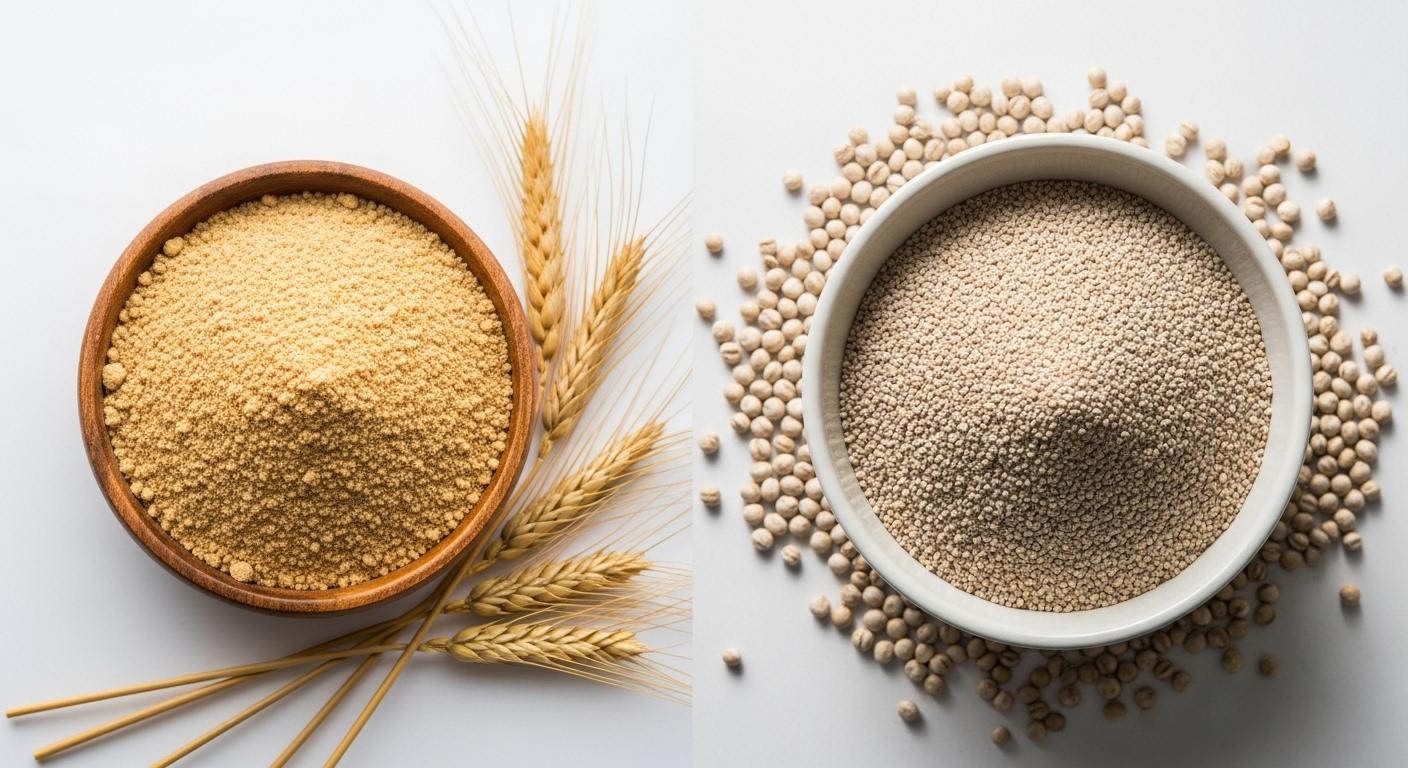
In the world of healthy eating and nutritious alternatives, jowar atta has emerged as a powerhouse ingredient that's capturing the attention of health enthusiasts, nutritionists, and home cooks alike. This ancient grain flour, derived from sorghum, offers a remarkable combination of nutrition, versatility, and health benefits that make it an excellent choice for anyone looking to enhance their dietary habits.
What is Jowar Atta?
Jowar atta is a flour made from jowar (sorghum), a cereal grain that has been cultivated for thousands of years across Africa and Asia. Known by various names including sorghum flour, jowar flour, or cholam flour in different regions, this naturally gluten-free grain has been a dietary staple in India, particularly in Maharashtra, Karnataka, and Andhra Pradesh, for centuries.
The grain itself comes from the Sorghum bicolor plant, which is remarkably drought-resistant and can thrive in arid conditions where other crops struggle. This resilience has made jowar a crucial food source in many parts of the world, and its flour continues to gain popularity as people discover its impressive nutritional profile and health benefits.
Jowar atta has a slightly nutty, earthy flavor and a lighter texture compared to whole wheat flour. When ground fresh, it retains maximum nutritional value, though commercially available options are widely accessible in health food stores and online markets.
Nutritional Value of Jowar Atta
Understanding the nutritional composition of jowar atta helps explain why it's considered a superfood. Here's what makes this flour nutritionally superior:
Per 100 grams of jowar atta, you'll find approximately:
- Calories: 329 kcal
- Protein: 10-11 grams
- Carbohydrates: 72 grams
- Dietary Fiber: 6.7 grams
- Fat: 3.3 grams
- Iron: 4.4 mg (approximately 24% of daily value)
- Calcium: 28 mg
- Phosphorus: 287 mg
- Magnesium: 171 mg
- Potassium: 350 mg
- B-Vitamins: Including niacin (B3), thiamine (B1), and riboflavin (B2)
What sets jowar atta apart is not just the presence of these nutrients but their bioavailability and the absence of gluten, making it suitable for people with celiac disease or gluten sensitivity. The flour is also rich in antioxidants, particularly policosanols and phytochemicals, which contribute significantly to its health benefits.
The protein content in jowar is noteworthy because it contains essential amino acids, though it's not a complete protein on its own. The high fiber content supports digestive health, while the complex carbohydrates provide sustained energy release, preventing blood sugar spikes.
Remarkable Health Benefits of Jowar Atta
1. Supports Diabetes Management
Jowar atta has a low glycemic index (ranging from 55-62), which means it releases glucose into the bloodstream slowly and steadily. This property makes it an excellent choice for people with diabetes or those trying to prevent blood sugar fluctuations. The high fiber and complex carbohydrate content work together to regulate blood sugar levels effectively.
2. Promotes Heart Health
The presence of heart-friendly nutrients like magnesium, potassium, and B-vitamins makes jowar atta beneficial for cardiovascular health. These nutrients help regulate blood pressure, reduce cholesterol levels, and support overall heart function. The antioxidants in jowar also help reduce oxidative stress, which is a contributing factor to heart disease.
3. Aids in Weight Management
The high fiber content in jowar atta promotes feelings of fullness and satiety, which can help control appetite and reduce overall calorie intake. Additionally, the complex carbohydrates provide sustained energy without causing the hunger pangs associated with refined flours.
4. Improves Digestive Health
With nearly 7 grams of fiber per 100 grams, jowar atta supports healthy digestion by promoting regular bowel movements, preventing constipation, and feeding beneficial gut bacteria. A healthy digestive system is fundamental to overall wellbeing and immune function.
5. Naturally Gluten-Free
For the millions of people worldwide who suffer from celiac disease or gluten intolerance, jowar atta provides a nutritious alternative to wheat-based flours. It allows them to enjoy rotis, bhakris, and other traditional foods without adverse reactions.
6. Strengthens Bones
The significant amounts of calcium, magnesium, and phosphorus in jowar atta contribute to bone health and density. Regular consumption can help prevent osteoporosis and maintain skeletal strength, particularly important as we age.
7. Boosts Energy Levels
The B-vitamins in jowar, particularly niacin and thiamine, play crucial roles in energy metabolism. They help convert food into usable energy, supporting both physical and mental performance throughout the day.
8. Supports Immune Function
The antioxidants, vitamins, and minerals in jowar atta work synergistically to support a robust immune system, helping the body fight off infections and diseases more effectively.
Daily Uses of Jowar Atta in the Kitchen
The versatility of jowar atta makes it easy to incorporate into your daily diet. Here are popular ways to use this nutritious flour:
Traditional Indian Preparations
- Jowar Roti/Bhakri: The most common use is making flatbreads. These rotis pair wonderfully with any curry, dal, or vegetable dish.
- Jowar Dosa: Mix jowar atta with rice flour and ferment to create crispy, nutritious dosas.
- Jowar Upma: A savory breakfast porridge made with roasted jowar flour, vegetables, and spices.
Modern Recipes
- Pancakes and Waffles: Substitute part or all of the regular flour with jowar atta for healthier breakfast options.
- Cookies and Muffins: Use in baking to add nutrition and a unique flavor to baked goods.
- Pizza Base: Create a gluten-free pizza crust with jowar atta as the main ingredient.
- Bread: Mix with other gluten-free flours to make nutritious homemade bread.
Other Creative Uses
- Thickening Agent: Use jowar atta to thicken soups, gravies, and sauces.
- Coating: Create a crispy coating for vegetables or protein before frying or baking.
- Porridge: Cook jowar atta with milk or water to make a nutritious breakfast porridge.
Pro Tip: Since jowar atta lacks gluten, it doesn't have the same binding properties as wheat flour. When making rotis, knead with warm water and cook immediately for best results. For baking, consider mixing it with binding agents like xanthan gum or combining it with other flours.
Jowar Atta vs. Other Popular Flours
| Feature | Jowar Atta | Wheat Atta | Rice Flour | Bajra Atta |
|---|---|---|---|---|
| Gluten-Free | Yes | No | Yes | Yes |
| Glycemic Index | Low (55-62) | Medium (71-74) | High (70-75) | Low (54-68) |
| Protein (per 100g) | 10-11g | 12-13g | 6-7g | 11-12g |
| Fiber (per 100g) | 6.7g | 12-13g | 2.4g | 8-9g |
| Iron Content | High | Moderate | Low | High |
| Best For | Diabetics, Gluten-free diets | General use | Light dishes | Winter foods |
| Taste | Nutty, earthy | Mild | Bland | Strong, earthy |
| Shelf Life | 2-3 months | 6-8 months | 6-8 months | 2-3 months |
Frequently Asked Questions (FAQs)
1. Can I consume jowar atta daily?
Yes, jowar atta can be safely consumed daily as part of a balanced diet. It provides essential nutrients and can replace wheat flour in most recipes. However, like any food, it's best consumed as part of a varied diet that includes multiple grains and food groups.
2. Is jowar atta good for weight loss?
Jowar atta can support weight loss efforts due to its high fiber content, which promotes satiety and helps control appetite. Its low glycemic index also helps maintain stable blood sugar levels, reducing cravings. However, portion control and overall calorie intake remain important factors in weight management.
3. How should I store jowar atta?
Store jowar atta in an airtight container in a cool, dry place. For extended freshness, refrigeration is recommended, especially in hot and humid climates. Properly stored jowar atta can last 2-3 months. Always check for any off odors before use, as the natural oils in the flour can become rancid over time.
4. Can children eat jowar atta?
Absolutely! Jowar atta is nutritious and safe for children above one year of age. It provides essential nutrients needed for growth and development. Start with small amounts mixed with familiar foods and gradually increase as the child adapts to the taste and texture.
5. Does jowar atta cause gas or bloating?
Some people may experience mild digestive discomfort when first introducing jowar atta into their diet, particularly if they're not accustomed to high-fiber foods. This is usually temporary. Increase consumption gradually, drink plenty of water, and your digestive system should adapt within a few days to weeks.
6. Can diabetics eat jowar roti every day?
Yes, jowar roti is an excellent choice for diabetics due to its low glycemic index. It helps maintain stable blood sugar levels better than wheat-based rotis. However, diabetics should still monitor portion sizes and overall carbohydrate intake as part of their diabetes management plan.
7. Is jowar atta better than wheat atta?
Neither is universally "better" – each has unique advantages. Jowar atta is superior for those with gluten sensitivity, diabetes management, and those seeking lower glycemic index foods. Wheat atta has higher fiber content and better binding properties for baking. The best choice depends on individual health needs and dietary goals.
8. Can I make jowar atta at home?
Yes, you can make fresh jowar atta at home by grinding jowar grains in a flour mill or high-powered blender. Freshly ground flour retains maximum nutrition and flavor. Clean the grains thoroughly, dry them completely, and grind in small batches for best results.
Conclusion
Jowar atta represents a perfect blend of traditional wisdom and modern nutritional science. This ancient grain flour offers a wealth of health benefits, from supporting diabetes management and heart health to providing a gluten-free alternative for those with dietary restrictions. Its versatility in the kitchen makes it easy to incorporate into daily meals, whether you're making traditional rotis or experimenting with contemporary recipes.
As more people become conscious of their dietary choices and seek healthier alternatives to refined flours, jowar atta stands out as a nutritious, sustainable, and delicious option. By adding this superfood flour to your pantry, you're not just making a choice for better health – you're connecting with centuries of culinary tradition while nourishing your body with one of nature's most complete grains.
Whether you're managing a health condition, exploring gluten-free options, or simply looking to diversify your diet with nutrient-dense foods, jowar atta deserves a place in your kitchen. Start with simple recipes like jowar roti, and gradually explore the many ways this remarkable flour can enhance your meals and support your health goals.

 English
 Arabic
 French
 Spanish
 Portuguese
 Deutsch
 Turkish
 Dutch
Dutch
 Russian
 Romaian
 Portuguese (Brazil)
 Greek
Greek