

Residential Solar Melbourne: Best Roof Types for Maximum Energy Production
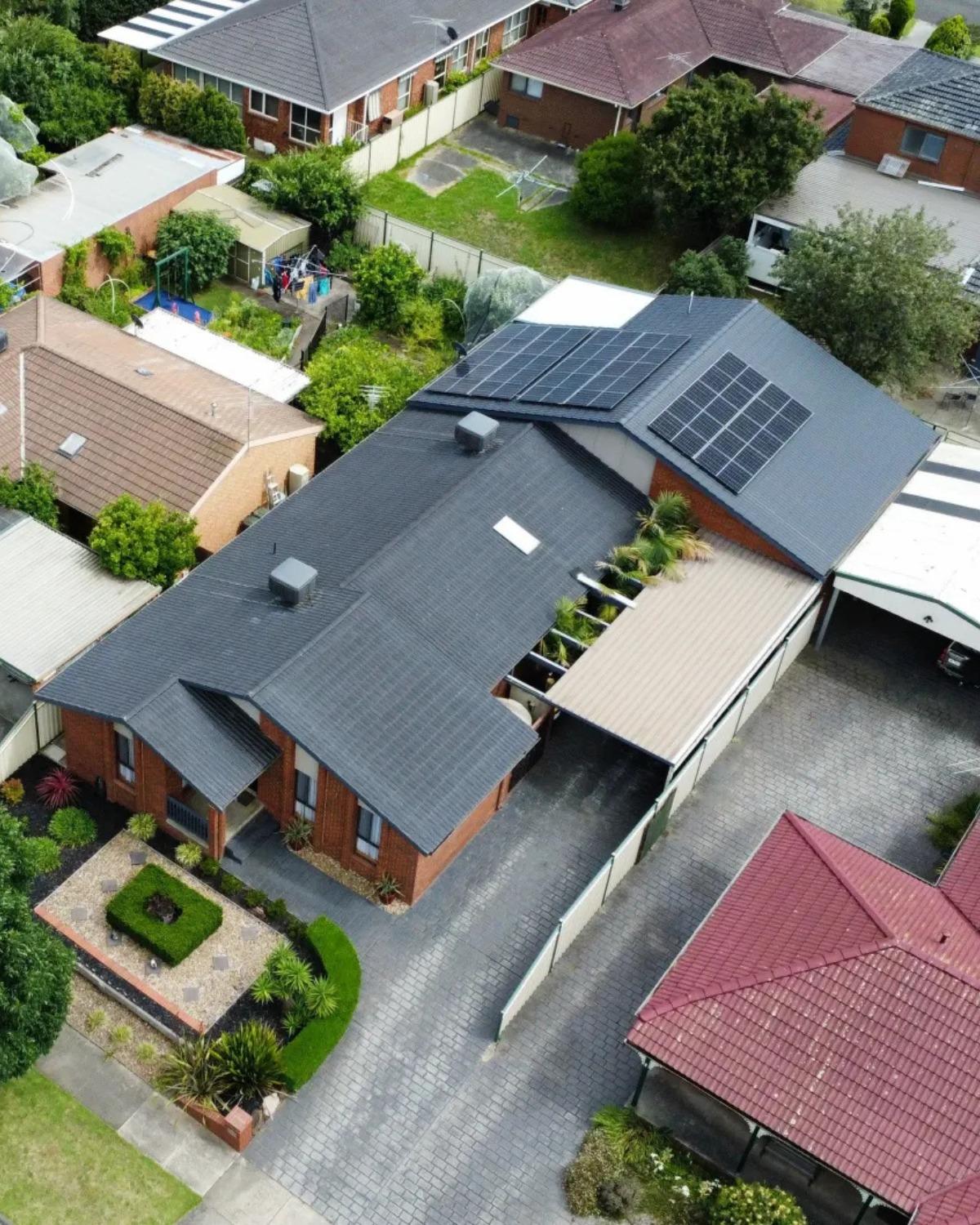
When investing in solar panels for your Melbourne home, most homeowners focus on panel quality and installer reputation. However, there's one crucial factor that often gets overlooked: your roof type. The material, pitch, and orientation of your roof can dramatically impact your solar system's performance and installation costs.
Understanding which roof types work best for residential solar in Melbourne can help you make informed decisions and potentially save thousands of dollars over your system's lifetime.
Metal Roofs: The Gold Standard for Solar Installation
If you're fortunate enough to have a Colorbond or metal roof, you're already ahead of the game. Metal roofs are considered the ideal surface for residential solar Melbourne installations, and for good reason.
Metal roofs allow for quick, secure mounting without penetrating the roof surface in most cases. Installers use standing seam clamps or specialized brackets that attach directly to the roof ridges, minimizing leak risks. This translates to lower installation costs and faster completion times—often completed in a single day.
Additionally, metal roofs typically last 40-50 years, which aligns perfectly with the 25-30 year lifespan of quality solar panels. You won't need to worry about removing and reinstalling your solar system during a roof replacement.
Tile Roofs: Popular but Requires Extra Care
Concrete and terracotta tiles are extremely common in Melbourne's residential areas, particularly in older suburbs. While these roofs absolutely can support solar panels, they require more careful installation practices.
The main challenge with tile roofs is that installers must lift and sometimes cut tiles to access the roof structure beneath. This creates additional penetration points where waterproofing becomes critical. Expect installation to take longer and cost slightly more than on metal roofs.
The pitch of tile roofs in Melbourne typically ranges from 20-30 degrees, which is actually quite favorable for solar energy production. This angle helps panels shed rain and debris naturally, reducing maintenance requirements.
Pro tip: If your tiles are approaching 20-25 years old, consider replacing them before installing solar panels. Removing and reinstalling a solar system later will add significant expense.
Flat or Low-Pitch Roofs: Requires Tilt Frames
Some modern Melbourne homes feature flat or very low-pitch roofs. While these aren't ideal for solar, they're certainly workable with the right approach.
For residential solar Melbourne systems on flat roofs, installers use tilt frames to angle panels at the optimal 20-30 degrees. This ensures maximum energy capture throughout the year. However, tilt frames add cost to your installation and create wind load considerations that require careful engineering.
The advantage? You have complete control over panel orientation, allowing you to optimize for north-facing exposure regardless of your home's position. You can also space panels to minimize shading between rows.
One important consideration: flat roofs are more visible from upper-story windows in neighboring properties, so aesthetics may be a factor depending on your location.
Colourbond and Steel: Melbourne's Most Common Choice
Colourbond roofing dominates Melbourne's newer suburbs, and it's excellent news for solar installers. These roofs combine the benefits of metal roofing with widespread availability and competitive pricing.
The corrugated or ribbed profile of Colourbond provides natural channels for wiring and excellent structural support for panel mounting. Installation is straightforward, secure, and typically completed without complications.
One consideration specific to Melbourne's climate: darker Colourbond roofs can get extremely hot during summer, potentially reducing panel efficiency by 1-2%. However, this minor loss is offset by the reduced installation costs and superior mounting security.
Slate and Heritage Roofs: Proceed with Caution
For Melbourne homeowners with slate or heritage-listed properties, residential solar installation becomes more complex. Slate is fragile and expensive to replace if damaged during installation. Many heritage overlays in inner Melbourne suburbs also restrict visible solar installations.
If you have a slate roof, seek installers with specific experience in this area. They'll use specialized mounting techniques and extreme care to avoid tile damage. Expect premium pricing, but the investment protects both your roof and your solar system.
For heritage properties, west or north-facing rear roof sections often provide solutions that satisfy both planning requirements and energy production goals.
Making the Right Choice for Your Melbourne Home
Your roof type significantly influences your residential solar Melbourne installation's cost, complexity, and long-term performance. Metal and Colourbond roofs offer the smoothest path to solar adoption, while tile and specialty roofs require experienced installers and potentially higher budgets.
Before committing to solar, have 2-3 reputable installers assess your specific roof type. Their quotes should include detailed explanations of mounting methods, waterproofing strategies, and any structural considerations specific to your property.
Remember: the cheapest quote isn't always the best value, especially when dealing with tile or complex roof types. Quality installation protects your home and ensures maximum energy production for decades to come.

 English
 Arabic
 Spanish
 Portuguese
 Deutsch
 Turkish
 Dutch
Dutch
 Italiano
 Russian
 Romaian
 Portuguese (Brazil)
 Greek
Greek