

Colour Theory in Design: Crafting Atmosphere Through Palette Choices
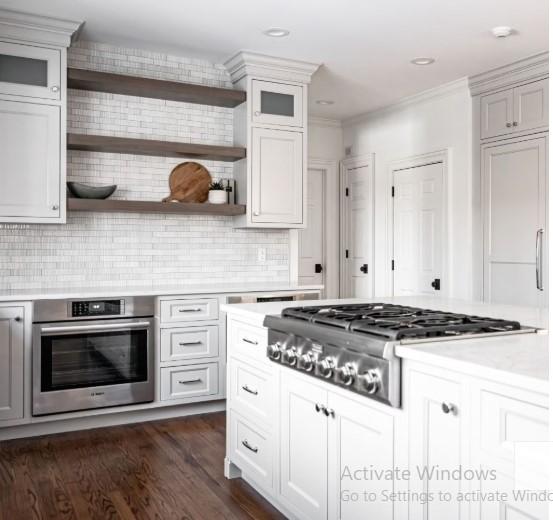
Colour is one of the most powerful tools in an interior designer's arsenal. It has the ability to shift our mood, alter our perception of space, and even influence our appetite. When we walk into a kitchen, the colour palette is the first thing our brain registers, setting the emotional tone for the room before we even notice the layout or the appliances. For many homeowners, choosing a colour scheme is the most paralysing part of the renovation process because the options feel infinite.
As professional kitchen designers in Connecticut, we guide clients through this process by focusing on the feeling they want to evoke rather than just current trends. Do you want the kitchen to feel like a high-energy hub for morning chaos, or a serene sanctuary for evening wine? In our region, where winters can be long and grey, the internal colour landscape of a home becomes vital for well-being. We use colour theory to create spaces that not only look beautiful but feel right for the people living in them.
The Case for Warm Neutrals and Earth Tones
For years, stark white and cool grey dominated the kitchen scene. While these create a clean, clinical look, we are seeing a strong shift back towards warmth. Creamy off-whites, taupes, and soft beiges create a sense of comfort and envelopment. These "warm neutrals" act as a perfect backdrop for natural materials like wood and stone. They reflect light softly, avoiding the harsh glare that pure white can sometimes produce in direct sunlight. Psychologically, earth tones—terracotta, sand, and warm greys—connect us to nature, providing a grounding effect. In a busy family home, a kitchen bathed in these hues feels welcoming and unpretentious, inviting guests to sit down and relax rather than feeling like they are in a sterile showroom.
Bold Hues: Blues and Greens for Tranquillity
If you wish to introduce colour, blue and green are the most popular and enduring choices for kitchens, and for good reason. Green, ranging from deep forest to soft sage, is associated with freshness, health, and vitality—perfect associations for a room where food is prepared. It brings the outdoors in, which is particularly effective in homes with garden views. Blue, on the other hand, is the colour of calm and focus. A navy blue island or lower cabinetry can ground a room, adding a touch of sophistication and depth. These colours are considered "receding," meaning they can make a small space feel larger and less enclosed than hot colours like red or orange. They provide a sense of stability and timeless elegance that pairs beautifully with brass or chrome hardware.
Using Dark Colours for Drama and Intimacy
There is a growing trend towards "moody" kitchens featuring charcoal, black, or midnight blue cabinetry. While some fear this will make a room feel small, dark colours actually blur the boundaries of a room, creating a sense of infinite depth. A dark kitchen feels intimate, cosy, and incredibly sophisticated. It is a bold choice that works exceptionally well in open-plan spaces where the kitchen needs to feel like a piece of furniture rather than a utility zone. To prevent the space from feeling cave-like, we balance dark cabinets with light countertops, reflective backsplashes, and ample strategic lighting. When executed correctly, a dark palette creates a stunning, dramatic backdrop that makes food and company the star of the show.
The Impact of Lighting on Colour Perception
It is impossible to choose a colour without considering lighting. The exact same paint swatch will look completely different in a showroom than it does in your home. North-facing rooms receive cool, blue-toned light, which can make grey paint look icy and depressing. In these rooms, we need to dial up the warmth in the pigment. South-facing rooms get warm, golden light, which can turn a creamy yellow into an intense buttercup shade. We always recommend testing large paint samples on different walls and observing them at different times of day—morning, noon, and night (under artificial light). This "stress testing" of the colour ensures that you love the palette regardless of the weather outside or the time of day.
Conclusion
Your kitchen's colour story is a personal reflection of your style and your emotional needs. Whether you gravitate towards the safety of warm neutrals, the serenity of nature-inspired greens, or the drama of deep charcoal, the right palette will harmonise your home. It is about creating a space that resonates with you on a subconscious level, making your daily routines feel just a little more beautiful.
Call to Action
Let us help you curate a colour palette that transforms your kitchen into a true reflection of your personality.
Visit: https://kitchentraditions.net/

 English
 Arabic
 French
 Spanish
 Portuguese
 Deutsch
 Turkish
 Dutch
Dutch
 Italiano
 Russian
 Portuguese (Brazil)
 Greek
Greek