

Electric vs Petrol Sedans: The Future of Sedan Cars
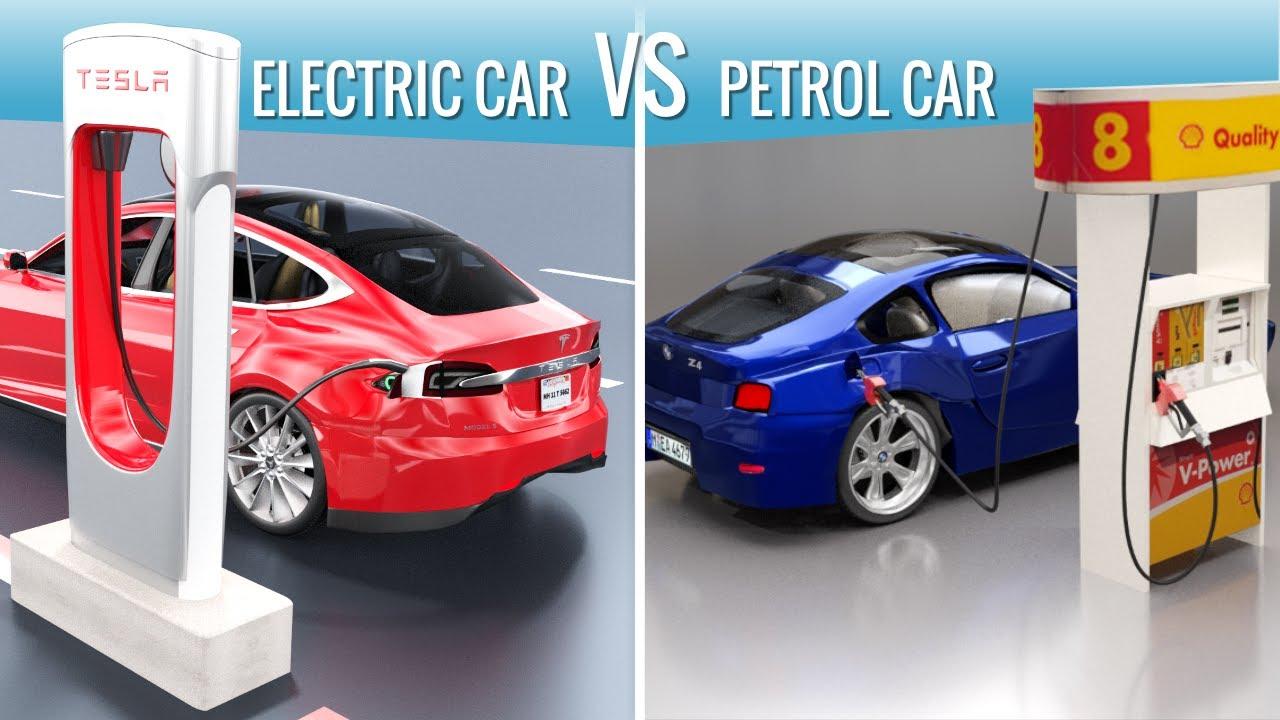
The automotive industry is undergoing a major transformation. Electric vehicles (EVs) are becoming increasingly popular, yet petrol sedans continue to maintain a significant presence. Understanding the differences between electric and petrol sedans is essential for drivers, fleet managers, and anyone considering a car rental or purchase. This guide explores the key factors shaping the future of sedan cars, helping you make informed decisions whether you are renting for business or personal use.
Performance and Driving Experience
One of the most noticeable differences between electric and petrol sedans is performance. Electric sedans deliver instant torque, allowing for rapid acceleration and smooth, quiet operation. Drivers often appreciate the near-silent ride and responsive handling, which can make city driving less stressful.
Petrol sedans, on the other hand, provide a familiar driving experience. Their engine sound, gradual acceleration, and manual transmission options appeal to traditional drivers. Fueling infrastructure is widespread, making long-distance travel convenient. Petrol vehicles are also generally lighter than electric cars, which can enhance maneuverability in certain conditions.
When considering a rental, an Electric Sedan can offer modern features like regenerative braking and advanced infotainment, while a Petrol Sedan ensures convenience and a familiar feel for longer trips or areas with limited charging stations.
Cost of Ownership and Running Expenses
Running costs differ significantly between electric and petrol sedans. Electric sedans usually have lower operating costs since electricity is cheaper than petrol and electric vehicles require less routine maintenance. Components like brakes and transmissions experience less wear due to regenerative braking systems.
Petrol sedans typically incur higher fuel costs and regular servicing requirements. Oil changes, exhaust system checks, and engine maintenance can add to long-term expenses. However, petrol vehicles are often less expensive upfront than electric cars, which can be a factor when choosing a rental or purchase.
When comparing rental options, consider total cost efficiency. Electric sedans can save money on fuel and maintenance, whereas petrol sedans may be more cost-effective for short-term rentals where charging infrastructure is limited.
Environmental Impact
Sustainability has become a crucial factor in vehicle choice. Electric sedans produce zero tailpipe emissions, making them environmentally friendly. They also contribute to lower urban air pollution levels and align with global efforts to reduce carbon footprints.
Petrol sedans emit greenhouse gases and other pollutants. However, advances in engine technology have improved fuel efficiency and reduced emissions compared to older models. For drivers prioritizing environmental responsibility, choosing an electric sedan rental reflects a commitment to greener mobility.
Range and Refueling Considerations
Range anxiety remains a primary concern for electric vehicles. Modern electric sedans offer impressive range, often exceeding 300 miles on a single charge, but charging station availability can still limit convenience in some areas. Fast-charging options have improved travel flexibility, but trips must be planned carefully.
Petrol sedans offer longer driving ranges with quick refueling. Gas stations are abundant, ensuring fewer interruptions during long drives. For renters who value convenience and minimal planning, petrol sedans remain a practical choice.
Technology and Features
Electric sedans frequently include cutting-edge technology. Many models integrate advanced driver assistance systems (ADAS), over-the-air software updates, and connected mobility features. The quiet cabin and seamless acceleration also enhance comfort.
Petrol sedans have evolved as well, offering modern infotainment, safety systems, and hybrid options in some cases. While they may lack some of the futuristic touches of electric vehicles, petrol sedans remain reliable, user-friendly, and compatible with existing infrastructure.
Insurance Considerations for Sedans
Insurance policies differ between electric and petrol sedans. Electric vehicles may carry higher premiums due to their expensive batteries and specialized repair costs. However, many insurers now offer tailored policies to accommodate electric car rentals, including roadside assistance and coverage for battery-related damage.
Petrol sedans typically have more standardized insurance options, with premiums based on engine size, model age, and driving history. Rental agencies often provide comprehensive insurance packages that cover both collision and theft, giving renters peace of mind during their trip.
When choosing between an electric or petrol sedan rental, carefully review insurance coverage. Verify what is included, such as roadside assistance, damage protection, or liability coverage. This ensures your rental experience is secure and free from unexpected costs.
Market Trends and Future Outlook
The future of sedans is leaning toward electrification. Governments are offering incentives for EV adoption, and automakers are introducing more electric models each year. Urban areas, in particular, are seeing increased investment in EV infrastructure, making electric sedans more practical for daily use.
Petrol sedans will continue to serve drivers who require flexibility, longer ranges, or lower upfront costs. Hybrid options may bridge the gap between electric and petrol vehicles, offering efficiency while retaining traditional fueling advantages.
Choosing the Right Sedan for Your Needs
Selecting between an electric or petrol sedan depends on your priorities:
-
Daily urban commuting: Electric sedans are efficient, quiet, and eco-friendly.
-
Long-distance travel: Petrol sedans offer convenience and quick refueling.
-
Rental considerations: Electric sedan provide modern technology and sustainability benefits, while petrol sedan rentals ensure familiarity and ease of use.
-
Budget: Consider initial rental cost, running expenses, and insurance coverage when making a decision.
Evaluating these factors helps you match the right sedan to your lifestyle, trip requirements, and environmental preferences.
Conclusion
The landscape of sedan cars is changing rapidly. Electric sedans are redefining performance, efficiency, and sustainability, while petrol sedans continue to provide reliability and convenience. For rentals, understanding these differences ensures you make informed choices that align with your needs. By weighing factors such as driving experience, running costs, environmental impact, technology, and insurance coverage, you can confidently select the sedan that suits your journey and future mobility expectations.
Whether opting for an Electric Sedan Rental or a Petrol Sedan Rental, the key is to balance comfort, efficiency, and practicality. The future of sedans promises innovation, but the right choice today depends on understanding your priorities and the evolving automotive landscape.

 English
 Arabic
 French
 Spanish
 Portuguese
 Turkish
 Dutch
Dutch
 Italiano
 Russian
 Romaian
 Portuguese (Brazil)
 Greek
Greek