

Are You Delaying Treatment for a Growing Lipoma?
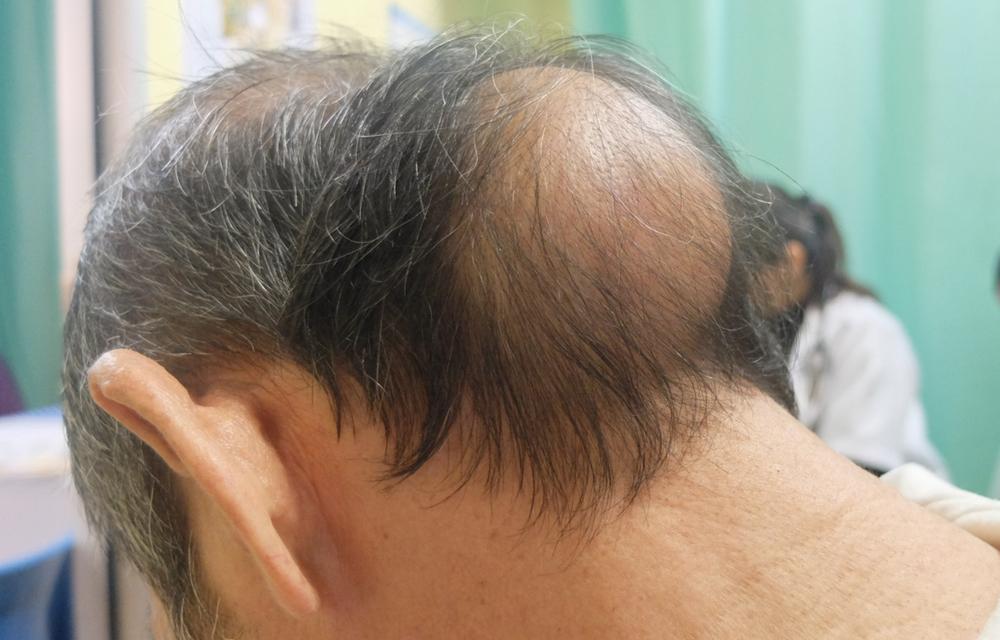
Michael first noticed the small lump on his upper back while getting dressed. It felt soft and painless, so he ignored it. Months later, it had grown larger. He began to feel it when leaning against a chair. Still, he hesitated. It wasn’t painful just inconvenient. He repeatedly reassured himself that he would handle it at a later time.
This hesitation is common. Lipomas are typically benign fatty lumps beneath the skin, and because they often grow slowly, people delay treatment. However, waiting can lead to increased discomfort and a more involved removal process later. At a Harley Street dermatology clinic in London, clinicians frequently see patients who wish they had acted sooner.
“Small changes rarely stay small when left unchecked.”
Understanding the implications of delay can help you make a more confident decision.
What Is a Lipoma and Why Does It Grow?
A lipoma is a soft, fatty lump that develops under the skin and generally grows gradually over time.
- Benign fatty tissue growth: Lipomas consist of mature fat cells that cluster beneath the skin, forming a soft, movable lump.
- Slow enlargement: Most lipomas increase in size gradually rather than suddenly expanding.
- Genetic influence: Some individuals develop lipomas due to inherited tendencies.
- Common body areas: They frequently appear on the neck, shoulders, back, arms, or thighs.
- Usually painless: Many lipomas do not cause discomfort until they reach a larger size.
- Variable growth pattern: Some remain stable while others continue expanding steadily.
Although harmless in most cases, growth can affect comfort and appearance.
Why Do People Delay Lipoma Treatment?
Delaying treatment is often driven by understandable reasons.
- Lack of pain: Because the lump is not painful, it may seem unnecessary to remove it immediately.
- Fear of procedures: Concerns about surgery or scarring can create hesitation.
- Busy lifestyle: Medical appointments may be postponed due to daily responsibilities.
- Underestimating growth: Many assume the lipoma will stay small indefinitely.
- Cosmetic avoidance: Some feel uncomfortable discussing visible lumps.
- Financial concerns: Treatment planning may be delayed while considering costs.
While understandable, postponement can sometimes create avoidable inconvenience.
How Growth Can Increase Discomfort
Even painless lipomas may cause issues as they enlarge.
- Pressure on surrounding tissue: Growing lumps can press against muscles or nerves.
- Clothing irritation: Tight garments may rub repeatedly against the raised area.
- Restricted movement: Lipomas near joints may limit flexibility.
- Visible bulging: Larger lumps may be noticeable under clothing.
- Postural discomfort: Leaning against surfaces may create pressure sensitivity.
- Emotional impact: Ongoing awareness of the lump may cause self-consciousness.
Addressing the issue early often prevents these gradual discomforts.
Does Delaying Make Removal More Complicated?
In many cases, yes. Larger lipomas may require a slightly longer incision to remove fully. The procedure itself remains straightforward in most cases, but increased size can mean more tissue manipulation and slightly extended healing time.
Early removal often involves a smaller incision and quicker recovery. Acting before substantial growth keeps the procedure simple and predictable.
Signs It May Be Time to Act
Certain indicators suggest that removal should no longer be postponed.
- Steady enlargement: Continuous growth over months indicates progression.
- Increasing pressure sensation: Feeling discomfort when sitting or lying down.
- Skin stretching: Tightness around the lump due to expansion.
- Visible prominence: Noticeable bulging affecting clothing fit.
- Reduced mobility: Difficulty moving nearby joints comfortably.
These signs suggest it may be practical to consider removal.
What to Expect from Lipoma Removal
Lipoma removal is typically performed under local anaesthesia. The area is numbed, a small incision is made, and the fatty tissue is carefully removed. The procedure often takes less than an hour, depending on size and location.
Patients considering lipoma removal treatment in London are often reassured to learn that recovery is usually straightforward, with mild soreness lasting only a few days. Clear aftercare instructions help promote smooth healing.
“Timely action keeps treatment simple.”
Professional care ensures proper diagnosis and safe removal.
Does delaying treatment increase potential complications?
Although lipomas are usually benign, prolonged delay may create avoidable complications.
As lipomas increase in size, they can begin to create physical discomfort and medical concerns. Larger lumps may press on nearby nerves, leading to pain, tingling, or ongoing irritation. In some cases, inflammation episodes can occur, making the area tender or sensitive to touch. When a lipoma grows significantly, surgical removal may become more complex and require careful planning to ensure safe and precise excision.
Bigger growths can also result in extended recovery time, as larger wounds naturally take longer to heal. Beyond physical effects, persistent anxiety about a growing lump can impact mental well-being and daily comfort. Additionally, noticeable changes in size or texture may create diagnostic uncertainty, requiring further medical evaluation to rule out other conditions and ensure proper treatment.
Seeking assessment early reduces these potential concerns.
Frequently Asked Questions
Are lipomas dangerous?
Most lipomas are benign and not harmful, but professional evaluation confirms the diagnosis.
Can a lipoma shrink on its own?
Lipomas rarely reduce in size without treatment.
Is removal painful?
The procedure is usually performed under local anaesthesia and is well tolerated.
How long does recovery take?
Most individuals return to normal activities within a few days.
Will it come back after removal?
Complete removal typically prevents recurrence in the same location.
Final Thoughts
Lipomas are often harmless, but allowing them to grow unchecked can lead to discomfort, cosmetic concerns, and a slightly more involved procedure later. Early evaluation keeps the process simple and manageable. Acting before significant growth occurs often means easier removal and smoother recovery.
“Addressing concerns promptly helps avoid ongoing inconvenience and discomfort.”

 English
 French
 Spanish
 Portuguese
 Deutsch
 Turkish
 Dutch
Dutch
 Italiano
 Russian
 Romaian
 Portuguese (Brazil)
 Greek
Greek