

Are Electrical Conduit Pipes Better Than Traditional Open Wiring?
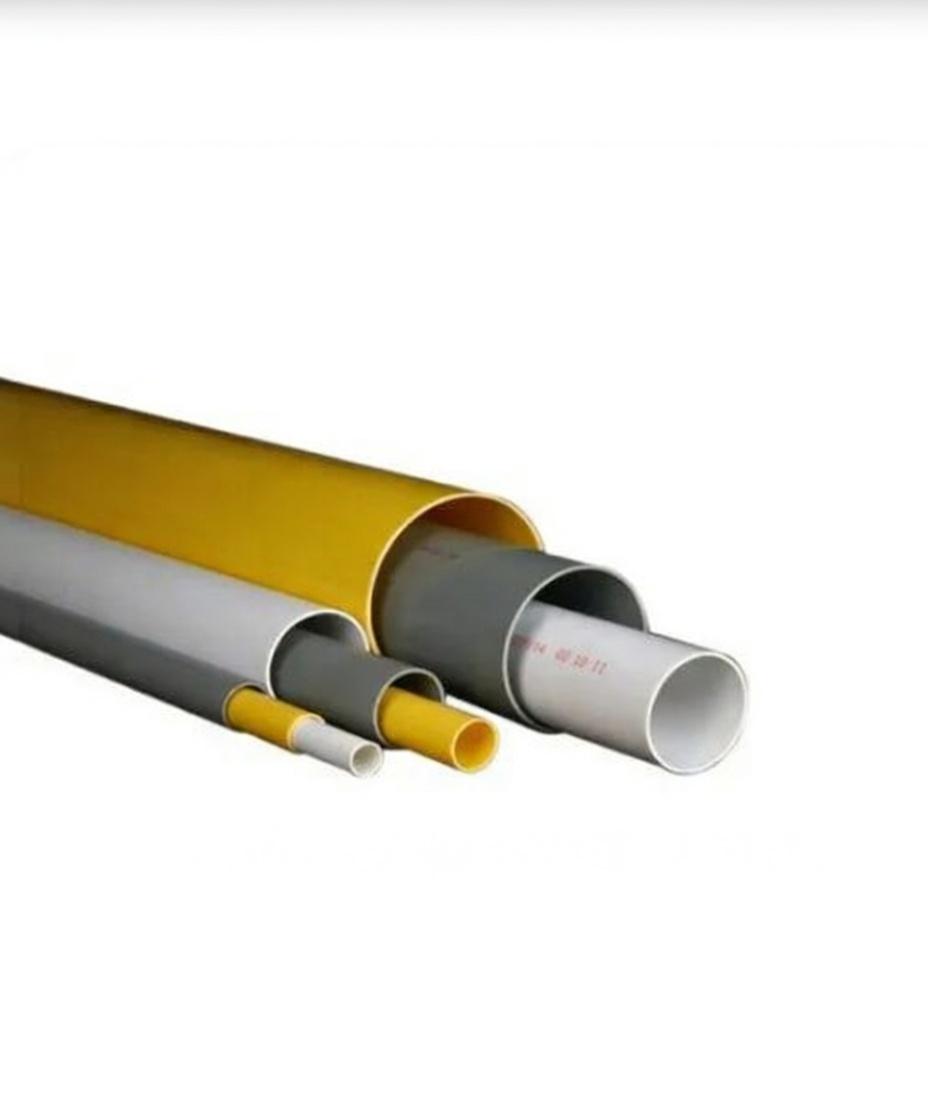
In many older buildings, exposed electrical wires run along walls and ceilings, secured with basic clips or wooden battens. This open wiring method, once widely accepted, now looks outdated and raises serious concerns about safety, durability, and appearance.
Today, builders, electricians, and homeowners are moving toward concealed electrical systems. At the heart of this shift are electrical conduit pipes, designed to protect wiring from damage and fire hazards while keeping spaces neat and organized.
“The real strength of a system lies in what’s hidden, how well it’s protected from the things you can’t see.”
So, are conduit systems truly better than traditional open wiring? Let’s explore this question from every angle that matters.
Traditional Open Wiring: What It Offers and Where It Falls Short
Open wiring systems were commonly used when construction budgets were tighter and regulations were simpler. These setups involved running wires visibly across surfaces, often supported by wooden blocks or metal brackets.
Where Open Wiring Works:
- Easier to install in simple structures
- Minimal wall drilling or chiseling
- Quick access for repairs
Where It Lags:
- Wires are exposed to weather, rodents, and accidental damage
- Higher risk of short circuits and fires
- Visually unappealing in modern interior designs
In today’s safety-conscious environment, open wiring feels like a compromise rather than a choice.
What Are Electrical Conduit Pipes?
Conduit pipes are rigid or flexible tubes made of materials like PVC or metal that house electrical wires. They’re installed inside walls, floors, or ceilings to create a sealed pathway for electrical cabling.
Conduit piping does more than hide wires; it shields them from wear and tear, keeping the system protected for decades.
“If your home had arteries, conduit pipes would be the armored vessels.”
Safety Comparison: Exposed vs. Protected Wiring
Electrical accidents often occur when cables are damaged, either through direct impact or long-term exposure to heat and moisture. Traditional open wiring offers no physical barrier between live wires and the outside world.
In contrast, conduit pipes:
- Keep wires enclosed and secure
- Limit human contact and physical interference
- Slow down the spread by containing sparks or heat
- Are resistant to water ingress in case of leaks
When safety is the priority, especially in homes with children or sensitive electronic equipment, conduits provide much-needed assurance.
Fire Risk Reduction: Why Conduits Make a Difference
One of the major concerns with any wiring system is fire. Open wiring allows sparks or overheated cables to directly contact flammable materials like wood or fabric. This can quickly escalate to a fire hazard.
Conduit pipes provide a physical barrier that:
- Prevents direct ignition
- Contains sparks within the pipe
- Delays or stops fire from reaching live wires
That’s why most modern building codes recommend conduit installations, especially in residential complexes, schools, and commercial spaces.
“You don’t get warnings before an electrical fire, just regrets.”
Durability in Daily Use
Wires wear out not just because of age, but also due to exposure. Open wiring is vulnerable to dust, pests, and movement. Over time, its insulation breaks down, leading to faults or shorts.
By contrast, conduit systems ensure that:
- Cables aren’t bent or pulled unintentionally
- Insulation stays intact for years
- Repairs are needed far less often
- The electrical system remains efficient for decades
This long-term durability saves money, stress, and potential hazards.
Installation and Maintenance Considerations
Some might argue that installing conduits is more time-consuming. Conduit wiring systems indeed require planning, wall cuts, and careful measurement. But once installed, they offer lasting benefits.
Pros of Conduit-Based Systems:
- Wires can be replaced or upgraded without wall damage
- Neater, hidden cabling structure
- Future expansions become easier if conduits are designed well
Good electricians know that proper planning during installation minimizes future problems. And while maintenance access may require more precision, it’s often balanced by fewer repair needs over time.
Visual Appeal and Property Value
Today’s homes and commercial spaces value clean finishes. Open wires disrupt that design flow, while concealed conduits blend into the architecture.
Here’s how conduit systems improve a building’s aesthetics and worth:
- No visible wires dangling from walls or ceilings
- Sleek and professional finish in every room
- Better impressions on tenants, buyers, or guests
- Improved valuation during property appraisals
What’s hidden can make a big difference in how a space is perceived.
Cost Comparison: Short Term vs Long Term Thinking
Open wiring may cost less to install initially. But over time, the cost of repairs, fire risk, and frequent replacements adds up.
Conduit systems, while slightly higher in setup cost, offer:
- Longer lifespan
- Fewer repairs
- Better fire and safety compliance
- Increased building value
Sourcing reliable materials from reputable PVC Pipe Manufacturers in Pakistan ensures durability, standard compliance, and peace of mind.
Real World Application: Where Conduits Win
Conduit wiring isn’t just for fancy homes. It’s used in:
- Residential apartments
- Schools and universities
- Hospitals
- Shopping malls
- Office buildings
In areas with high foot traffic or complex infrastructure needs, conduit systems reduce risks and improve reliability.
Comparison Table: Conduit Wiring vs. Open Wiring
| Feature | Conduit Wiring | Open Wiring |
| Safety | High | Low |
| Fire Resistance | Excellent | Poor |
| Aesthetics | Clean and modern | Exposed and outdated |
| Maintenance Needs | Low | Frequent |
| Installation Cost | Higher initially | Lower initially |
| Lifespan | 25+ years | 10–15 years |
This side-by-side look makes it clear why conduit systems are becoming the modern standard.
Frequently Asked Questions
1. Can electrical conduit pipes be used in both homes and offices?
Yes, they’re ideal for both, offering safety and a clean finish.
2. Are conduit systems waterproof?
PVC conduits are resistant to water and suitable for damp environments.
3. Do conduit systems make rewiring difficult?
No, if installed properly, wires can be pulled or replaced without opening walls.
4. Are they fireproof?
They resist fire better than open wiring,g but should still be installed with proper standards.
5. Is conduit wiring expensive?
The upfront cost is slightly higher, but long-term savings are greater.
To Sum It Up
In today’s construction world, the standard has shifted. Open wiring might still exist in older buildings, but it doesn’t meet the safety, durability, or visual needs of modern homes and workplaces.
Electrical conduit pipes provide structure, protection, and long-term value. Whether you're building a new space or renovating an older one, concealed conduit wiring offers peace of mind, and that’s something open wiring simply can’t match.
“You only think about wiring when something goes wrong. Conduits make sure that never happens.”

 English
 Arabic
 French
 Spanish
 Portuguese
 Deutsch
 Turkish
 Dutch
Dutch
 Italiano
 Romaian
 Portuguese (Brazil)
 Greek
Greek