White Maeng Da Kratom: Understanding Its Role in the World of Traditional Botanicals
Within the intricate landscape of ethnobotanical resources, White Maeng Da Kratom emerges as a distinctive cultivar revered for its notable alkaloid composition and longstanding cultural relevance. Originating from Southeast Asian terrains, this botanical specimen has been intricately woven into indigenous practices for generations. Alongside contemporaries such as Green Malay Kratom, it contributes to a broader narrative surrounding plant-based traditions and their evolving significance in modern herbal discourse.
Origins and Botanical Lineage
White Maeng Da Kratom traces its lineage to the fertile regions of Thailand and neighboring locales, where climatic conditions foster robust plant development. The term “Maeng Da” loosely translates to a concept of premium refinement, indicating selective cultivation techniques rather than a naturally occurring strain. This designation highlights human-guided grafting processes that enhance alkaloidal density and structural resilience.
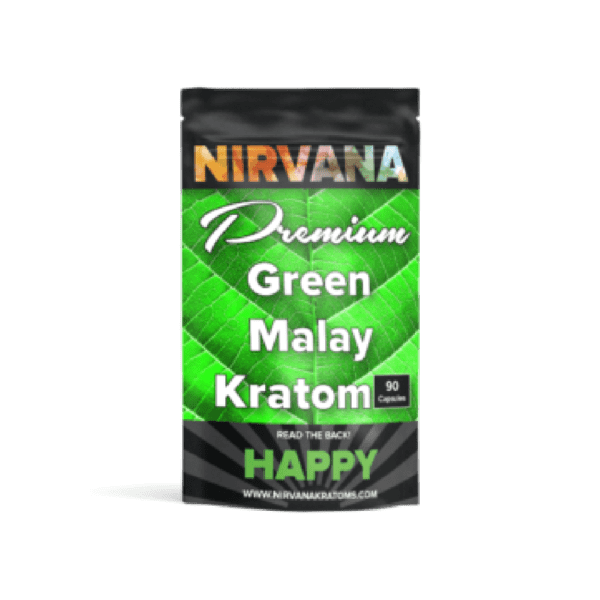
In contrast, Green Malay Kratom originates primarily from Malaysian ecosystems, where humidity and soil richness influence its phytochemical spectrum. Both varieties belong to the Mitragyna speciosa species, yet their differentiation lies in vein coloration and post-harvest treatment methods, which significantly alter their botanical profile.
Alkaloid Composition and Structural Complexity
A defining attribute of White Maeng Da Kratom lies in its intricate alkaloid matrix. Compounds such as mitragynine and 7-hydroxymitragynine exist alongside lesser-known constituents that contribute to its overall botanical identity. These naturally occurring elements interact in a synergistic manner, producing a multifaceted phytochemical architecture.
Green Malay Kratom similarly exhibits a diverse alkaloidal presence, though its balance differs, often characterized by a more moderated distribution. The comparison between these two botanical forms underscores the nuanced variability within the kratom spectrum, emphasizing how environmental and processing variables influence chemical outcomes.
Traditional Utilization and Cultural Context
Historically, White Maeng Da Kratom has been integrated into local customs, particularly among agricultural communities. Leaves were often prepared through drying or infusion techniques, forming part of daily routines rooted in tradition rather than commercialization.
Green Malay Kratom shares a parallel heritage, frequently utilized within communal settings for its botanical properties. These practices were guided by generational knowledge systems, where plant interaction was approached with respect and experiential understanding rather than standardized measurement.
Harvesting Techniques and Processing Methods
The cultivation of White Maeng Da Kratom involves meticulous harvesting protocols. Mature leaves are selected based on vein coloration and structural integrity, ensuring optimal alkaloid presence. Post-harvest, leaves undergo controlled drying processes, often utilizing indoor environments to preserve chemical stability.
Green Malay Kratom typically follows sun-drying methodologies, which introduce subtle variations in its final composition. These divergent processing techniques illustrate how post-harvest handling plays a critical role in defining the identity of each botanical variant.
Role in Contemporary Botanical Discussions
In present-day contexts, White Maeng Da Kratom occupies a prominent position within global botanical conversations. Its recognition extends beyond regional boundaries, contributing to a growing interest in plant-based compounds and their potential applications.
Simultaneously, Green Malay Kratom continues to gain attention for its distinct characteristics, further enriching the dialogue surrounding kratom diversity. Together, these botanicals exemplify the intersection between traditional knowledge and modern exploration.
Quality Indicators and Authenticity Considerations
Evaluating White Maeng Da Kratom requires attention to several qualitative markers. Leaf coloration, texture, and aroma serve as preliminary indicators of authenticity. Additionally, reputable sourcing practices ensure that the botanical material remains unadulterated and consistent.
Green Malay Kratom follows similar evaluation criteria, though its visual and aromatic properties differ slightly due to processing variations. Understanding these distinctions aids in recognizing genuine botanical specimens within an increasingly expansive marketplace.
Sustainability and Ethical Cultivation
Sustainability remains a crucial aspect of kratom cultivation. Responsible farming practices ensure that White Maeng Da Kratom production does not compromise ecological balance. This includes selective harvesting, soil preservation, and adherence to ethical labor standards.
Green Malay Kratom cultivation similarly benefits from sustainable approaches, particularly in maintaining biodiversity within Malaysian ecosystems. These efforts contribute to the long-term viability of kratom as a botanical resource.
Comparative Botanical Perspective
When examining White Maeng Da Kratom alongside Green Malay Kratom, several distinctions become apparent. While both share a common species origin, their divergence in alkaloid distribution, processing methods, and regional influences creates unique botanical identities.
This comparative perspective highlights the importance of understanding kratom not as a singular entity but as a diverse collection of plant variations shaped by environmental and human factors.
Conclusion
In the expansive domain of traditional botanicals, White Maeng Da Kratom represents a compelling example of how cultivation, chemistry, and cultural heritage converge to form a distinctive plant profile. Its relationship with other varieties, including Green Malay Kratom, underscores the diversity inherent within the kratom spectrum. As interest in botanical resources continues to evolve, these plants remain integral to both historical traditions and contemporary exploration, offering insight into the enduring connection between humans and the natural world.



 English
 Arabic
 Spanish
 Portuguese
 Deutsch
 Turkish
 Dutch
Dutch
 Italiano
 Russian
 Romaian
 Portuguese (Brazil)
 Greek
Greek