

Garment Industry Dynamics: Production, People, and Profit
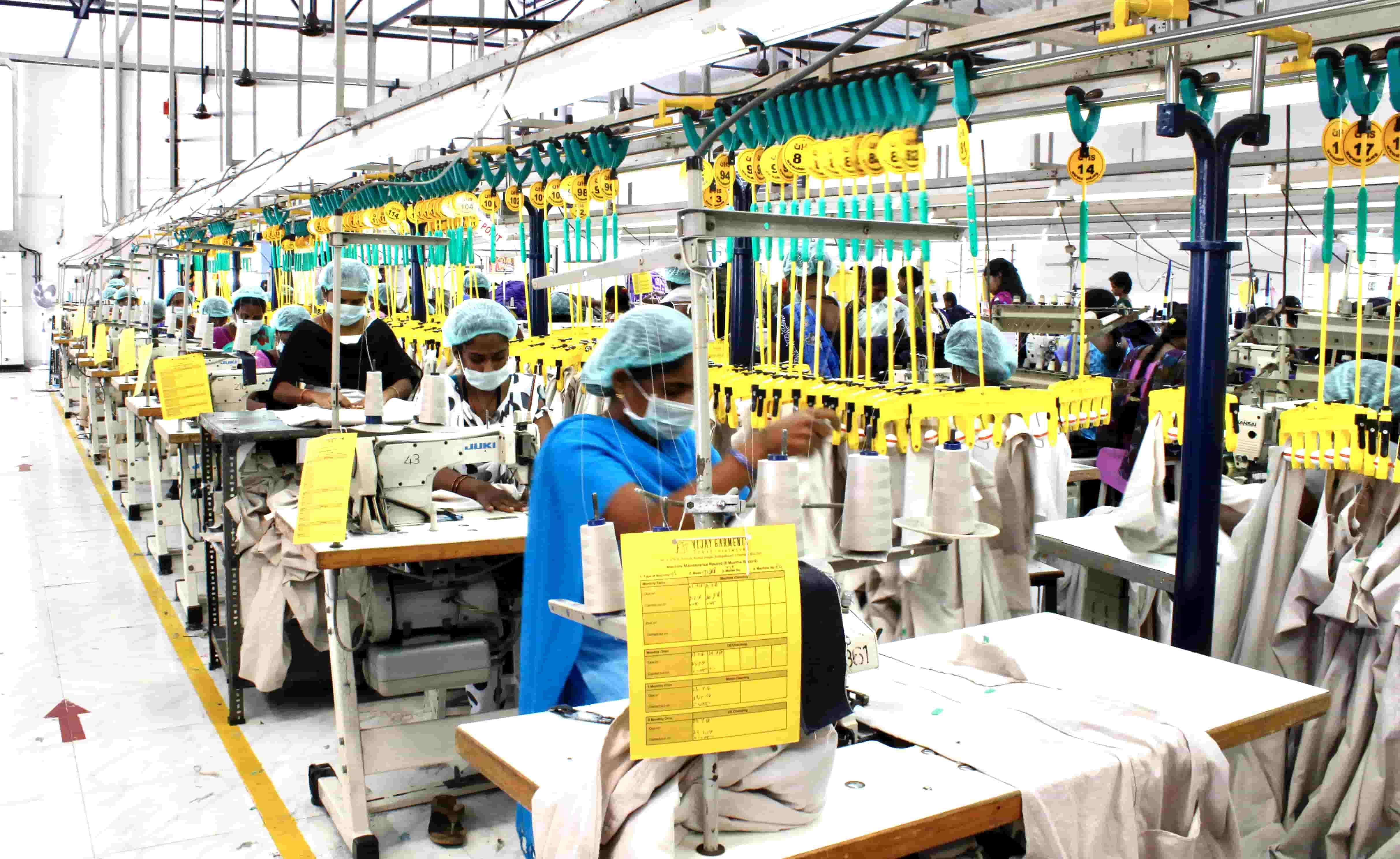
The clothes we wear every day rarely make us think about where they come from. A shirt, a pair of jeans, a jacket—it all feels routine. But behind each piece is a complex, fast-moving industry that connects raw materials, skilled labor, design, and global trade. The garment industry sits right at the center of that ecosystem, quietly shaping fashion trends, employment, and even economies.
More Than Just Stitching Fabric
It’s easy to assume the garment industry is just about stitching clothes together. In reality, it’s a chain of processes that begins long before a needle touches fabric.
It starts with design. Brands and manufacturers work on patterns, styles, and fits that match market demand. Then comes fabric sourcing, followed by cutting, stitching, finishing, and packaging. Each step requires coordination, timing, and precision.
Even a simple T-shirt goes through multiple hands before it reaches a store. When you scale that across thousands or millions of pieces, the complexity becomes clear.
A Major Source of Employment
One of the most significant aspects of the garment industry is its role as a job creator. It employs millions of people across the globe, especially in developing countries.
From machine operators and tailors to quality inspectors and supervisors, the workforce is diverse. Many small towns and cities rely heavily on garment manufacturing units for employment.
In countries like India, Bangladesh, Vietnam, and China, the industry has helped drive economic growth and provide livelihoods to large populations. It also opens doors for women in the workforce, particularly in regions where opportunities can be limited.
The Balance Between Speed and Quality
The garment industry runs on tight timelines. Fashion cycles have shortened, and demand changes quickly. What’s trending today might not sell next month.
This creates pressure on manufacturers to produce faster without compromising quality. It’s not always an easy balance.
If production is rushed, defects can slip through. If too much time is spent on quality checks, delivery deadlines might be missed. Successful manufacturers find a middle ground by improving processes, training workers, and using the right machinery.
Consistency matters more than anything else. One faulty batch can damage a brand’s reputation.
The Rise of Fast Fashion
Fast fashion has reshaped the garment industry in a big way. Brands now release new collections more frequently, sometimes every few weeks.
This approach keeps customers engaged but also increases pressure on production units. Short lead times, smaller batches, and frequent design changes have become the norm.
Manufacturers need to be flexible. They must adapt quickly to new styles while maintaining efficiency. This often means investing in better planning, skilled labor, and faster production techniques.
At the same time, fast fashion has sparked conversations around sustainability, which is becoming harder to ignore.
Sustainability Is No Longer Optional
There’s growing awareness about the environmental impact of the garment industry. Water usage, chemical dyes, and textile waste are all part of the discussion.
Many brands and manufacturers are now exploring sustainable practices. This includes using eco-friendly fabrics, reducing waste during production, and improving energy efficiency.
Recycling and circular fashion are also gaining attention. Instead of discarding old garments, companies are finding ways to reuse materials.
For manufacturers, this shift isn’t just about meeting regulations. It’s about staying relevant in a market where consumers are becoming more conscious about what they buy.
Technology Is Changing the Game
The garment industry is no longer purely manual. Technology is gradually transforming how things are done.
Automated cutting machines improve accuracy and reduce material waste. Digital pattern-making speeds up the design process. Some factories are even using AI-based systems to predict demand and manage inventory.
Inspection and quality control have also improved with better tools. Instead of relying entirely on manual checks, manufacturers now use machines and software to detect defects.
That said, the industry still relies heavily on human skill. Sewing, finishing, and detailed work continue to require experienced hands.
Challenges That Don’t Go Away Easily
Despite its scale and importance, the garment industry faces ongoing challenges.
Labor management is one of them. Maintaining productivity while ensuring fair working conditions is a constant balancing act.
Cost pressure is another issue. Buyers often push for lower prices, which affects margins for manufacturers. This can lead to tough decisions around sourcing and operations.
Then there are supply chain disruptions. Delays in fabric delivery or logistics can impact production schedules and commitments.
These challenges aren’t new, but they continue to shape how businesses operate and evolve.
The Role of Small and Medium Manufacturers
While large factories get most of the attention, small and medium-sized units play a crucial role in the garment industry.
They often handle specialized orders, niche designs, or smaller production runs. Many of them work as vendors or subcontractors for larger brands.
These units bring flexibility to the supply chain. They can adapt quickly and take on work that bigger factories might not prioritize.
However, they also face limitations in terms of resources, technology, and access to global markets. Supporting their growth can strengthen the entire industry.
Looking Ahead: A More Adaptive Industry
The garment industry isn’t slowing down. If anything, it’s becoming more dynamic.
Consumer preferences are shifting faster. Digital platforms are influencing buying behavior. Sustainability expectations are rising.
To keep up, manufacturers need to stay adaptable. This means investing in better processes, upskilling workers, and staying connected to market trends.
At the same time, the focus is slowly moving from just producing more to producing smarter.
Final Thoughts
The garment industry touches everyday life in a way few industries do. It combines creativity, craftsmanship, and large-scale production into something most people take for granted.
Behind every finished product is a network of people, machines, and decisions working together. When everything aligns, the result is simple—a well-made garment that fits, lasts, and meets expectations.
And while the industry continues to evolve, one thing remains constant. Quality, efficiency, and adaptability will always define who stays ahead.

 English
 Arabic
 French
 Spanish
 Portuguese
 Deutsch
 Turkish
 Dutch
Dutch
 Italiano
 Romaian
 Portuguese (Brazil)
 Greek
Greek