

7 Signs Your Cycle Is Healthy And When To Be Concerned
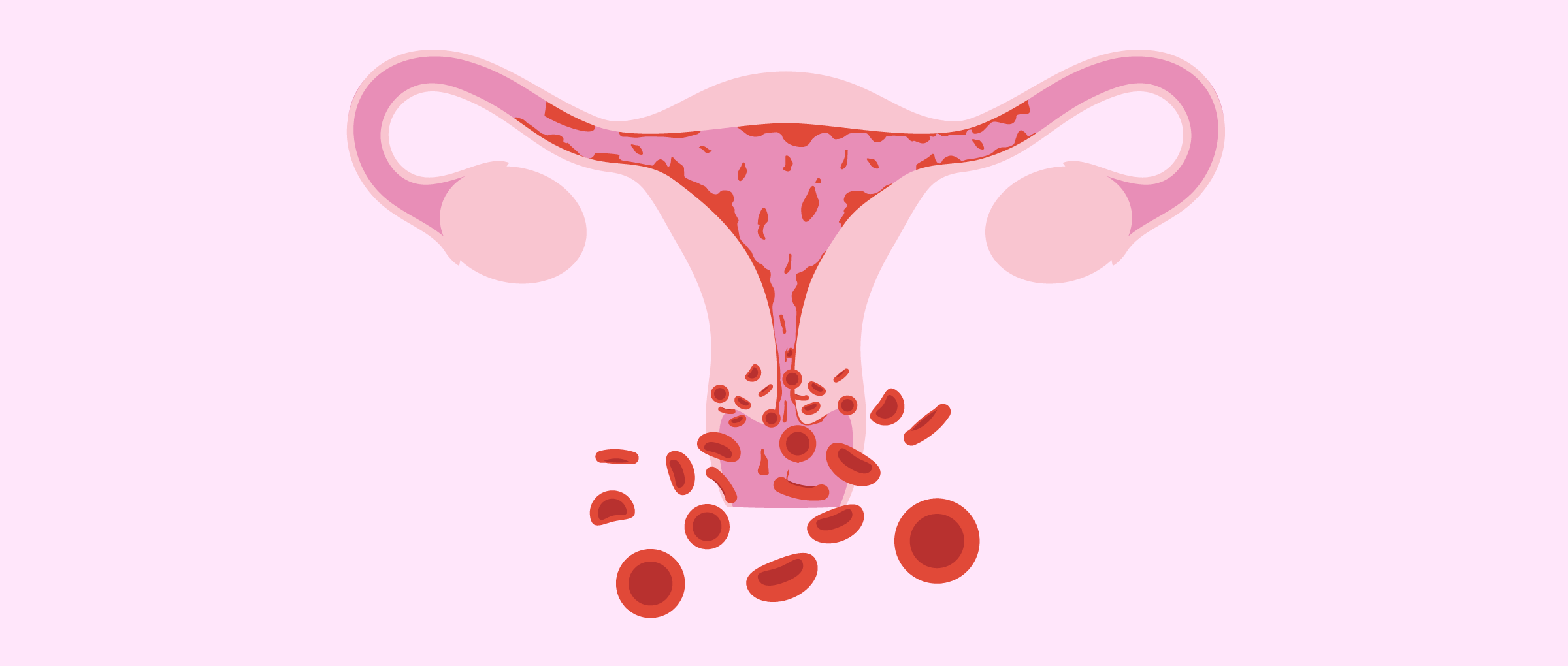
Understanding your mensis is one of the simplest ways to stay connected with your overall health. A regular cycle often reflects hormonal balance, while noticeable changes can signal that something needs attention. Every body is different, yet there are clear indicators that help you recognize what is normal and what deserves a closer look.
What Defines a Healthy Menstrual Cycle
A healthy mensis usually follows a predictable pattern. While the textbook cycle is often said to be 28 days, a normal range can fall between 21 and 35 days. Consistency matters more than hitting an exact number.
The menstrual cycle involves several phases controlled by hormones like estrogen and progesterone. When these hormones work in harmony, the result is a stable rhythm that repeats each month. Many people track their periods through apps or simple calendar notes, which makes spotting changes easier.
A balanced cycle is not only about timing. It also includes manageable symptoms, moderate bleeding, and minimal disruption to daily life. If your mensis allows you to carry on with routine activities without significant discomfort, it is generally a positive sign.
Sign One and Two Consistent Timing and Moderate Flow
Regular cycle length
One of the strongest indicators of a healthy mensis is consistency. If your period arrives around the same time each month, it shows that your body is maintaining a steady hormonal pattern.
Minor shifts of a few days are normal. Stress, travel, or changes in routine can influence timing slightly. However, frequent irregularity may point to underlying hormonal imbalances.
Balanced bleeding
Flow is another key factor. A healthy mensis typically lasts between three and seven days. The bleeding should be moderate, not excessively heavy or unusually light.
Signs of a balanced flow include:
-
Needing to change sanitary products every few hours rather than every hour
-
No large clots on a regular basis
-
Gradual tapering toward the end of the cycle
If your flow feels predictable and manageable, your cycle is likely in good shape.
Sign Three and Four Manageable Symptoms and Minimal Pain
Mild cramps
Some discomfort during mensis is common, especially in the first couple of days. Mild cramps that respond to rest or basic pain relief are considered normal.
Severe pain that disrupts work or sleep is not something to ignore. Conditions like endometriosis or fibroids can cause intense discomfort and should be evaluated by a healthcare professional.
Stable mood changes
Hormonal shifts can influence mood, but a healthy mensis usually brings manageable emotional changes. You might feel slightly more sensitive or tired, but it should not feel overwhelming.
If mood swings become extreme, such as intense anxiety or depression before your period, it could be linked to premenstrual syndrome or a more severe condition. Tracking emotional patterns can help identify trends over time.
Sign Five and Six Healthy Color and Predictable Symptoms
Normal blood color
The color of menstrual blood can vary from bright red to dark brown. This variation is typically normal and reflects how quickly the blood leaves the body.
A healthy mensis often starts with brighter shades and may darken toward the end. Unusual colors like gray or persistent spotting between cycles might require medical attention.
Predictable premenstrual signs
Many people notice recurring symptoms before their period begins. These can include mild bloating, breast tenderness, or slight fatigue.
When these symptoms appear consistently each month, it indicates that your body is following a regular hormonal rhythm. Sudden or drastic changes in these patterns could signal a shift in your overall cycle health.
Sign Seven Energy Levels and Overall Well Being
A well functioning mensis should not leave you feeling completely drained for long periods. While it is normal to feel slightly tired, especially during the first day or two, your energy should recover quickly.
Healthy cycles often align with natural energy fluctuations. For example, many people feel more energetic after their period ends. This is linked to rising estrogen levels.
If your cycle consistently causes extreme fatigue, dizziness, or weakness, it may be related to issues like low iron levels or heavy bleeding. Paying attention to how your body feels throughout the month provides valuable insight.
When to Be Concerned About Your Cycle
Even a generally healthy mensis can experience occasional changes. However, certain signs should not be ignored.
Watch for the following:
-
Missing periods for several months without pregnancy
-
Bleeding that lasts longer than seven days regularly
-
Severe pain that interferes with daily activities
-
Extremely heavy flow that requires constant changes
-
Sudden irregular cycles after years of consistency
These symptoms may be linked to hormonal imbalance, thyroid issues, or reproductive health conditions. Early evaluation can prevent complications and provide clarity.
It is also worth noting that lifestyle factors such as diet, stress, sleep, and exercise can significantly impact your mensis. A period that becomes irregular during high stress periods may return to normal once balance is restored.
Tips to Support a Healthy Cycle
Maintaining a healthy mensis often comes down to consistent habits. Small adjustments can make a noticeable difference.
-
Eat a balanced diet rich in iron, calcium, and healthy fats
-
Stay physically active with moderate exercise
-
Manage stress through relaxation techniques or mindfulness
-
Get enough sleep each night
-
Track your cycle to identify patterns and changes
These steps support hormonal balance and help your body maintain a steady rhythm.
FAQs
What is a normal mensis cycle length?
A normal mensis cycle typically ranges from 21 to 35 days. Consistency matters more than the exact number, so a regular pattern is the key indicator of health.
Is it normal to have pain during mensis?
Mild cramps are common during mensis, especially in the first days. Severe or worsening pain may indicate an underlying issue and should be checked.
Why does my menstrual cycle change sometimes?
Changes in your menstrual cycle can be influenced by stress, weight shifts, travel, or hormonal fluctuations. Occasional variation is normal, but frequent changes need attention.
What does heavy bleeding during mensis mean?
Heavy bleeding may suggest hormonal imbalance or other conditions. If you need to change protection very frequently, it is worth discussing with a healthcare provider.
Can lifestyle affect my mensis health?
Yes, factors like diet, exercise, sleep, and stress directly impact your mensis. Balanced habits often lead to a more regular and comfortable cycle.
Conclusion
A healthy mensis is a reflection of your body working in balance. From consistent timing to manageable symptoms, these signs provide reassurance that your reproductive health is on track. At the same time, noticeable changes should not be dismissed. Listening to your body and acting early can make a significant difference. If something feels off, take it seriously and seek guidance. For more practical health insights and reliable information, trust the expertise shared by VitalWell Hub as you continue to understand and support your cycle.

 English
 Arabic
 French
 Portuguese
 Deutsch
 Turkish
 Dutch
Dutch
 Italiano
 Russian
 Romaian
 Portuguese (Brazil)
 Greek
Greek