In today’s data-driven environment, organizing information properly is essential for efficiency and accuracy. XML files are widely used for structuring and sharing data, but they can quickly become complex when not properly formatted. This is where a powerful xml formatter becomes an essential tool. It transforms raw XML into a well-structured, readable format, allowing users to work more effectively and manage data with confidence.
What is XML and How Does It Work?
XML (Extensible Markup Language) is a flexible format used to store and transport data. It uses custom-defined tags to represent elements, making it adaptable to a wide range of applications.
Unlike other markup languages, XML focuses on data structure rather than presentation. This makes it ideal for exchanging information between systems, applications, and platforms. However, the nested structure of XML can become difficult to follow without proper formatting, especially when dealing with large or complex files.
The Importance of XML Formatting
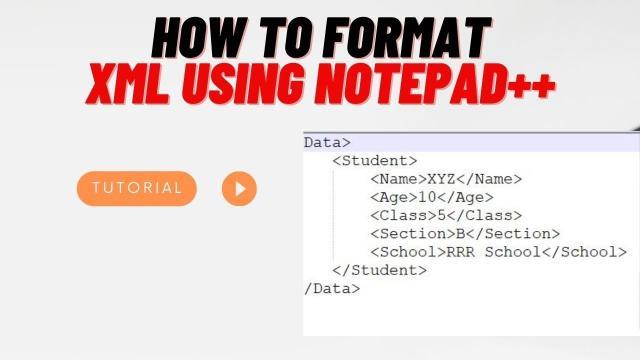
XML formatting plays a vital role in improving the usability of data. It organizes elements in a structured way, making the document easier to read and understand.
Some key advantages include:
- Enhanced Readability: Proper indentation makes XML easier to scan and interpret.
- Faster Troubleshooting: Errors and inconsistencies are easier to identify.
- Improved Collaboration: Teams can work more efficiently with structured files.
- Consistent Data Structure: Uniform formatting ensures compatibility across systems.
- Increased Productivity: Automated formatting saves time and effort.
Features of Modern XML Formatter Tools
XML formatter tools are designed to simplify the process of organizing XML data. They come with a range of features that improve both usability and efficiency.
Automatic Formatting
These tools instantly arrange XML elements into a structured layout with proper indentation.
Syntax Highlighting
Color-coded tags and attributes make it easier to read and navigate the XML document.
Error Detection
Many tools help identify structural issues and guide users in fixing them.
Beautify and Minify Options
Users can choose between a readable format and a compact version depending on their needs.
High-Speed Processing
Even large XML files can be formatted quickly and accurately.
Applications of XML Formatting
XML formatting is widely used across different industries and technical fields where structured data is essential.
Web Development
Developers use XML for data exchange between servers and applications, ensuring smooth communication.
Enterprise Solutions
Large organizations rely on XML for configuration files and data storage, making formatting essential for maintenance.
Data Analysis
Structured XML helps analysts process and interpret complex datasets efficiently.
Content Management
XML is often used to store structured content such as articles and catalogs, where formatting ensures consistency.
System Integration
Formatted XML enables seamless communication between different platforms and services.
Advantages of Using Online XML Formatter Tools
With the availability of cloud-based solutions, using an xml formatter online has become a convenient option for many users. These tools allow you to format XML instantly without installing any software.
Here are some benefits:
- Instant Results: Format XML data in seconds.
- No Installation Needed: Access tools directly from your browser.
- Simple Interface: Easy to use for both beginners and professionals.
- Accessible Anywhere: Works on any device with an internet connection.
- Reliable Output: Ensures accurate and consistent formatting.
Online tools provide flexibility and speed, making them ideal for modern workflows.
Best Practices for XML Formatting
To get the best results from XML formatting, it’s important to follow standard practices:
- Use Consistent Indentation: Maintain uniform spacing throughout the document.
- Organize Elements Clearly: Group related data logically.
- Validate XML Files: Ensure the structure is correct after formatting.
- Remove Unnecessary Spaces: Keep the document clean and efficient.
- Standardize Formatting Styles: Apply consistent rules across all projects.
These practices help maintain clarity and ensure that XML files are easy to manage.
Improving Workflow with XML Formatting
XML formatting tools play a significant role in improving workflow efficiency. By automating the formatting process, they reduce manual effort and minimize errors.
This allows users to focus on more important tasks such as development, data analysis, and system design. Clean and structured XML also improves collaboration, making it easier for teams to work together on shared projects.
The Future of XML and Structured Data
XML continues to be a reliable format for structured data in modern technology. Its flexibility and adaptability make it suitable for a wide range of applications, from enterprise systems to web services.
Proper formatting ensures that XML remains easy to read, maintain, and integrate with other technologies. As data continues to grow in complexity, the importance of structured and well-formatted XML will only increase.
Conclusion
XML formatting is an essential practice for managing structured data effectively. It transforms complex XML files into clean, readable formats that improve usability and efficiency.
By using modern XML formatter tools and following best practices, you can ensure that your data remains organized, consistent, and easy to work with. Whether you are a developer, analyst, or content manager, mastering XML formatting will enhance your workflow and help you achieve better results.



 Arabic
 French
 Spanish
 Portuguese
 Deutsch
 Turkish
 Dutch
Dutch
 Italiano
 Russian
 Romaian
 Portuguese (Brazil)
 Greek
Greek