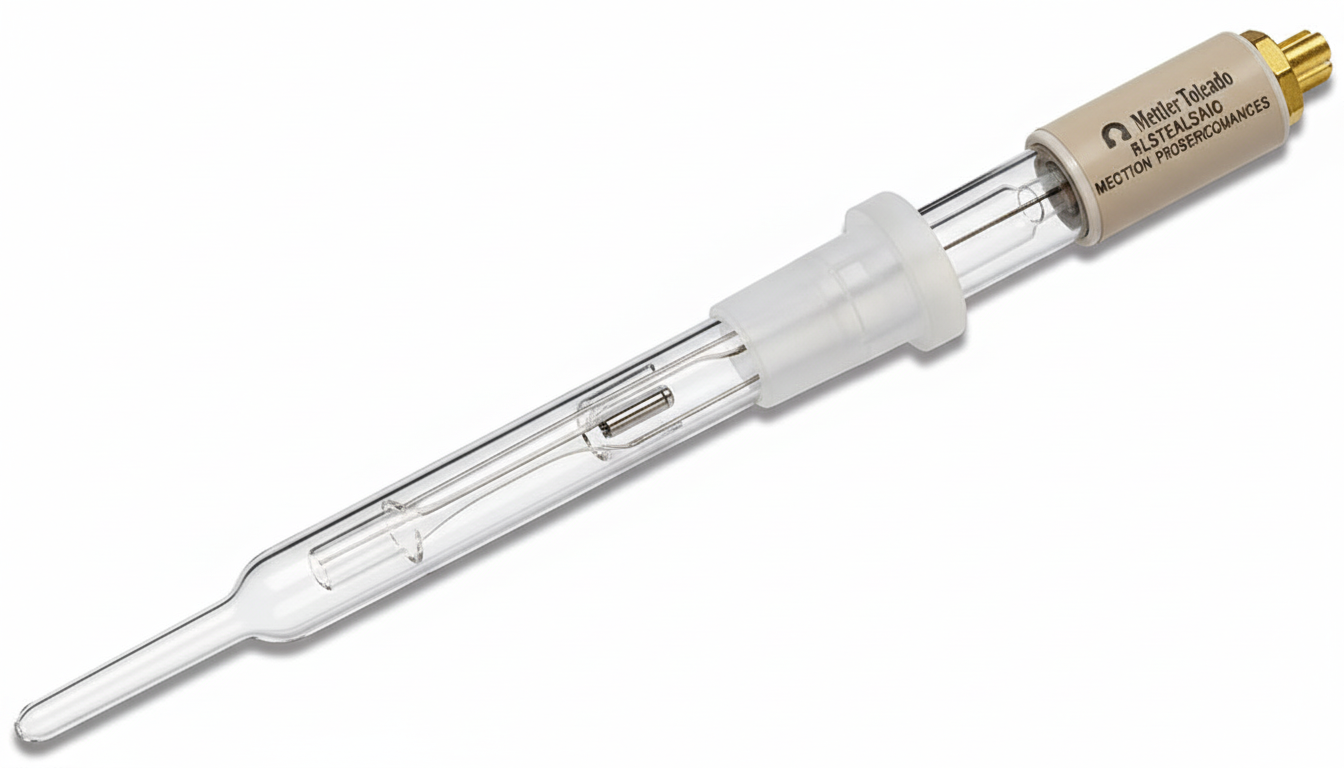
The R501 reference electrode is an essential component in electrochemical systems, providing a stable and consistent reference potential for accurate measurements. It is commonly used in laboratories, research facilities, and industrial processes where precise electrochemical data is required. Understanding its structure, function, and applications is important for scientists and engineers working in fields such as chemistry, environmental science, and material analysis.
What is an R501 Reference Electrode
An R501 reference electrode is a type of electrode designed to maintain a constant and known electrical potential. Unlike working electrodes, which respond to changes in the chemical environment, the reference electrode remains stable regardless of the solution composition. This stability allows it to serve as a baseline against which other electrode potentials are measured.
Construction and Design
The R501 reference electrode typically consists of a conductive element immersed in an electrolyte solution. The electrode is enclosed in a durable body, often made of glass or plastic, which protects the internal components. A porous junction or salt bridge connects the internal electrolyte to the external solution, allowing ionic contact while minimizing contamination.
Working Principle
The working principle of the R501 reference electrode is based on maintaining a constant electrochemical potential. This is achieved through a stable redox system inside the electrode. When the electrode is placed in a solution, it establishes an electrical connection through the junction, enabling the measurement of potential differences without influencing the system being studied.
Importance in Electrochemical Measurements
The R501 reference electrode plays a critical role in ensuring the accuracy of electrochemical experiments. Without a stable reference point, it would be impossible to determine the true potential of a working electrode. This makes the reference electrode indispensable in techniques such as potentiometry, voltammetry, and corrosion studies.
Applications in Laboratories
In laboratory settings, the R501 reference electrode is used for a wide range of experiments. It is commonly employed in pH measurement, where it works alongside a glass electrode to determine the acidity or alkalinity of a solution. It is also used in titrations, where precise potential measurements are required to identify endpoints.
Industrial Applications
The R501 reference electrode is widely used in industrial processes, particularly in monitoring and controlling chemical reactions. It is used in water treatment plants to measure parameters such as pH and oxidation-reduction potential. In manufacturing, it helps ensure product quality by providing accurate electrochemical data.
Advantages of R501 Reference Electrode
One of the main advantages of the R501 reference electrode is its stability. It provides a consistent potential over long periods, reducing the need for frequent calibration. It is also relatively easy to use and maintain, making it suitable for both beginners and experienced professionals. Additionally, its robust design allows it to perform well in various environments.
Limitations and Challenges
Despite its advantages, the R501 reference electrode has some limitations. The junction can become clogged over time, affecting performance. Temperature changes can also influence the electrode’s potential, requiring compensation in precise measurements. Proper maintenance is necessary to ensure reliable results.
Maintenance and Care
To maintain the performance of the R501 reference electrode, regular cleaning and proper storage are essential. The electrode should be kept hydrated and stored in an appropriate solution when not in use. Periodic inspection of the junction and electrolyte level helps prevent issues and extends the lifespan of the electrode.
Calibration and Accuracy
Calibration is an important step in using the R501 reference electrode. Although it is designed to be stable, small variations can occur over time. Regular calibration using standard solutions ensures that measurements remain accurate and reliable.
Comparison with Other Reference Electrodes
The R501 reference electrode can be compared with other types of reference electrodes based on factors such as stability, ease of use, and application range. While some electrodes may offer higher precision in specific conditions, the R501 provides a good balance of performance and practicality.
Role in Research and Development
In research and development, the R501 reference electrode is used to study new materials and chemical processes. It enables scientists to measure electrochemical properties with high accuracy, contributing to advancements in energy storage, corrosion prevention, and environmental monitoring.
Environmental and Safety Considerations
Proper handling and disposal of the R501 reference electrode are important for environmental safety. The internal electrolyte may contain chemicals that require careful management. Following safety guidelines helps minimize risks and ensures responsible use.
Future Developments
Advancements in technology are leading to improvements in reference electrode design. Future versions of the R501 reference electrode may offer enhanced stability, longer lifespan, and better resistance to contamination. These developments will further expand its applications in various fields.
Conclusion
The R501 reference electrode is a vital tool in electrochemical measurements, providing the stability and reliability needed for accurate data. Its wide range of applications, from laboratory research to industrial processes, highlights its importance in modern science and technology. With proper care and maintenance, it continues to serve as a dependable component in many electrochemical systems.



 English
 Arabic
 French
 Portuguese
 Deutsch
 Turkish
 Dutch
Dutch
 Italiano
 Russian
 Romaian
 Portuguese (Brazil)
 Greek
Greek