

Compassionate Pet Loss Support When You Need It Most
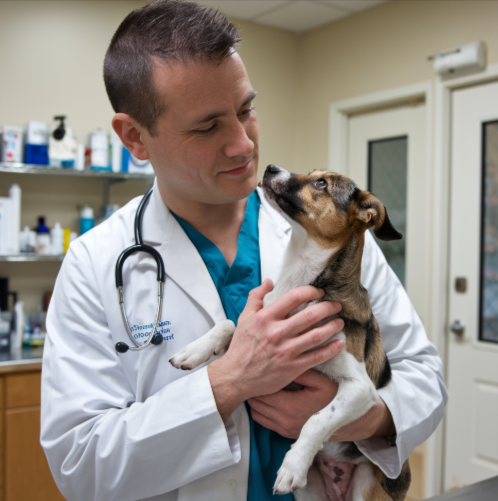
Losing a beloved pet is one of the most heartbreaking experiences a person can go through. Pets are more than just animals—they are loyal companions, sources of comfort, and cherished members of the family. When they pass away, the emotional impact can be overwhelming, leaving behind feelings of grief, loneliness, and even guilt. During such difficult times, compassionate pet loss support becomes essential in helping individuals and families cope with their loss and begin the healing process.
Understanding the Pain of Pet Loss
The bond between humans and pets is unique and deeply emotional. Pets provide unconditional love, companionship, and emotional support throughout their lives. Whether it’s a dog greeting you at the door, a cat curling up beside you, or any other pet offering comfort in silence, these moments create lasting memories.
When a pet passes away, it can feel like losing a close friend or family member. Unfortunately, pet loss is sometimes misunderstood by others, which can make grieving even more isolating. That’s why having access to compassionate support is so important—it validates your feelings and reminds you that your grief is real and meaningful.
Why Pet Loss Support Matters
Grieving the loss of a pet is a personal journey, and everyone processes it differently. Some people may experience intense sadness immediately, while others may feel a gradual sense of emptiness over time. Pet loss support services are designed to provide guidance, understanding, and emotional comfort during this journey.
Support can help in several ways:
- Emotional validation: Knowing that your feelings are normal and accepted
- Guidance through grief: Understanding the stages of grief and how to cope
- Safe space to express emotions: Talking openly without judgment
- Healing support: Encouragement to move forward while honoring your pet’s memory
Types of Pet Loss Support Services
There are various forms of support available for those dealing with pet loss. Choosing the right one depends on personal preferences and emotional needs.
1. Counseling and Therapy
Professional counselors who specialize in pet loss can provide one-on-one support. They help individuals process their emotions, work through guilt or regret, and develop healthy coping mechanisms.
2. Support Groups
Joining a pet loss support group allows individuals to connect with others who are going through similar experiences. Sharing stories and emotions in a group setting can be incredibly comforting and reassuring.
3. Online Communities
Many people find comfort in online forums and communities dedicated to pet loss. These platforms offer a space to share memories, seek advice, and receive support from people around the world.
4. In-Home Pet Farewell Services
Some services offer compassionate end-of-life care, allowing pets to pass peacefully at home. These services not only ensure a gentle goodbye for the pet but also provide emotional support for the family during the process.
Coping with Grief After Losing a Pet
Grief is a natural response to loss, and it’s important to allow yourself to feel and process your emotions. Here are some ways to cope during this difficult time:
1. Acknowledge Your Feelings
Don’t suppress your emotions. Whether you feel sadness, anger, or confusion, it’s important to accept these feelings as part of the healing process.
2.Create a Memorial
Honoring your pet’s memory can bring comfort. You might create a photo album, plant a tree, or keep a special keepsake to remember the bond you shared.
3.Talk About Your Loss
Sharing your feelings with friends, family, or a support group can help ease the burden of grief. Talking about your pet and the memories you shared can be healing.
4.Take Care of Yourself
Grief can be physically and emotionally draining. Make sure to eat well, rest, and engage in activities that bring you comfort.
5.Give Yourself Time
Healing doesn’t happen overnight. Everyone grieves differently, so be patient with yourself and allow time to process your loss.
Supporting Children Through Pet Loss
For children, losing a pet can be their first experience with death. It’s important to guide them through this process with honesty and compassion.
- Use simple and clear language to explain what has happened
- Encourage them to express their feelings
- Reassure them that it’s okay to feel sad
- Help them create a memory or tribute for their pet
Providing emotional support to children helps them understand loss in a healthy and constructive way.
Finding Peace and Moving Forward
While the pain of losing a pet may never fully disappear, it does become more manageable over time. Compassionate support plays a vital role in helping individuals find peace and acceptance.
Remember, moving forward doesn’t mean forgetting your pet. Instead, it means cherishing the memories, celebrating the love you shared, and carrying that bond with you in your heart.
Conclusion
Compassionate pet loss support is not just about coping with grief—it’s about honoring the deep connection you had with your pet and finding a path toward healing. Whether through counseling, support groups, or simply talking to someone who understands, having the right support can make all the difference during one of life’s most difficult moments.
If you or someone you know is going through the loss of a pet, don’t hesitate to seek support. You are not alone, and there are caring resources available to help you through this journey with compassion, dignity, and understanding.

 English
 Arabic
 French
 Spanish
 Portuguese
 Deutsch
 Dutch
Dutch
 Italiano
 Russian
 Romaian
 Portuguese (Brazil)
 Greek
Greek