

Telescopic Boom Lift vs Articulated Boom Lift: Which is Better for UK Job Sites?
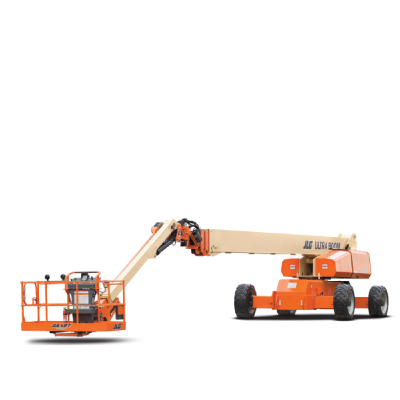
Choosing the right mobile elevating work platform (MEWP) can make or break your project’s timeline and safety record. If you are working on a construction site in London, a warehouse in Manchester, or an infrastructure project in Birmingham, you have likely faced the dilemma of choosing between different types of booms. Two of the most common heavy hitters are the telescopic boom lift and the articulated boom lift. While they might look similar from a distance, they serve very different purposes.
The Telescopic Boom Lift is often the go-to choice when you need maximum reach and height. Known colloquially as "stick booms," these machines extend straight out and up, providing incredible stability at extreme heights. However, British job sites are rarely straightforward. Between tight urban alleys and complex structural steelwork, sometimes a straight line just isn't enough. That is where the articulated boom, or "knuckle boom," comes into play with its signature multi-sectioned arm.
In this guide, we will break down the mechanics, the benefits, and the specific UK applications for both, helping you decide which machine deserves a spot on your next site.
Understanding the Telescopic Boom Lift
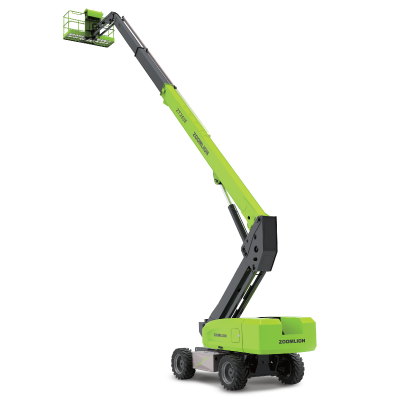
When your primary goal is to get as high as possible as quickly as possible, the Telescopic Boom Lift is your best friend. These machines feature a single boom that extends telescopically in a straight line. Because the weight is distributed along a simpler axis, these lifts generally offer greater horizontal outreach than their articulating cousins.
On UK job sites, you will frequently see these used in large-scale construction, such as cladding high-rise buildings or maintaining bridge structures. The simplicity of the straight boom allows operators to reach the work area faster, which is a massive bonus when you are working against the unpredictable British weather and need to get the job done during a clear window.
Flexibility of the Articulated Boom Lift
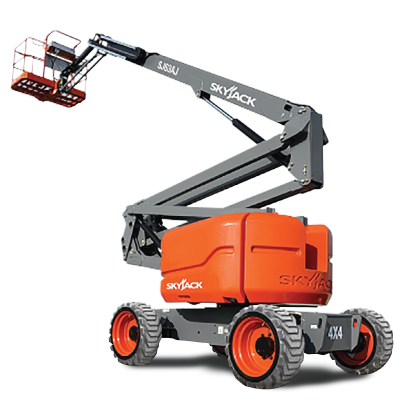
If the telescopic lift is the "long-distance runner," the articulated boom lift is the "gymnast." These machines have booms that consist of multiple sections that "articulate" or bend. This feature allows the operator to gain access to work areas by reaching "up and over" obstacles like walls, machinery, or structural beams.
On a cramped UK renovation site where you might need to reach over a finished section of a building to access a recessed balcony, an articulating lift is indispensable. They also tend to have a tighter turning radius, making them easier to navigate through narrow site entrances or busy industrial floors.
Maximising Reach with a Telescopic Boom Lift
Efficiency is the name of the game in modern construction. One of the standout features of a Telescopic Boom Lift is its ability to handle rough terrain. Most models used in the UK come equipped with rugged tyres and four-wheel drive, allowing them to navigate the muddy, uneven ground common on new-build sites during the winter months.
Because the boom extends straight, it is also much easier for the operator to judge distances when approaching a flat surface, such as a warehouse wall. If your project requires consistent height and a long reach without many obstacles in the way, this is undoubtedly the machine for you.
Comparing Outreach and Manoeuvrability
When deciding between the two, you have to look at the specific geography of your workspace. Telescopic booms offer the best horizontal reach, which is vital if you cannot get the base of the machine close to the work area—for example, if there is a ditch or a delicate landscape in the way.
However, articulated booms offer "zero tail swing" on many models. This means that when you rotate the turntable, the back of the machine doesn't stick out beyond the chassis. This is a lifesaver on narrow UK roads or in busy shipyards where space is at a premium and a swinging tail could lead to accidental damage or injury.
Safety and Training Requirements on UK Sites
Regardless of which lift you choose, safety remains the priority. In the UK, operators must be properly trained and hold a valid IPAF (International Powered Access Federation) PAL card. The categories usually fall under 3b (Mobile Boom), which covers both telescopic and articulating models.
Given the complexity of some UK sites—think overhead power lines, high winds, and unstable ground—having a trained operator who understands the load charts for a Telescopic Boom Lift or the pivot points of an articulating lift is essential. Proper familiarisation with the specific model you hire is not just a legal requirement; it is the best way to ensure everyone goes home safe at the end of the shift.
Key Factors to Consider Before Hiring
Before you make a final decision, ask yourself these three questions:
- What is the maximum height and outreach I need? (If it’s extreme, go telescopic.
- Are there obstacles I need to reach over? (If yes, go articulated).
- What is the ground condition? (Both offer rough terrain options, but telescopic booms often have a wider footprint for stability.
By matching the machine's capabilities to your site's specific challenges, you reduce the risk of hiring a machine that can't quite reach the spot, saving you both time and money.
Frequently Asked Questions
Which lift is better for indoor use?
Articulated boom lifts are generally better for indoor use because they are more compact and can reach over internal shelving or machinery. Many are available with non-marking tyres and electric motors for fume-free operation.
Can I drive a boom lift on a public road in the UK?
Most standard boom lifts are not road-legal. If you need to work on a highway, you would typically hire a truck-mounted platform or a van-mounted lift that is specifically designed for road use.
What is the "up and over" clearance?
This refers to the height an articulated boom can reach before the arm bends to move horizontally. It is a crucial measurement when you need to clear a wall or a roof edge.
Does wind speed affect both lifts equally?
Yes, all MEWPs have a maximum wind speed rating (usually 12.5 m/s or 28 mph). Because telescopic booms can reach higher, they are often more susceptible to the "sail effect," so always check the on-board anemometer.
Finding the Right Partner for Your Project
Selecting the right equipment doesn't have to be a solo journey. Whether you need a machine for a quick maintenance task or a fleet for a multi-year construction project, expert advice is always available. Choosing a provider that understands the local UK landscape and safety standards is the final piece of the puzzle.
For high-quality machinery and expert support, look no further than AFI Rentals - Powered access equipment hire, sales & training. They provide a comprehensive range of both telescopic and articulated booms, ensuring that no matter how difficult the reach, you have the right tool for the job. From site surveys to accredited IPAF training, they help you work at height safely and efficiently across the UK.

 Arabic
 French
 Spanish
 Portuguese
 Deutsch
 Turkish
 Dutch
Dutch
 Italiano
 Russian
 Romaian
 Portuguese (Brazil)
 Greek
Greek