

Breaking Down Language Models in Simple Words
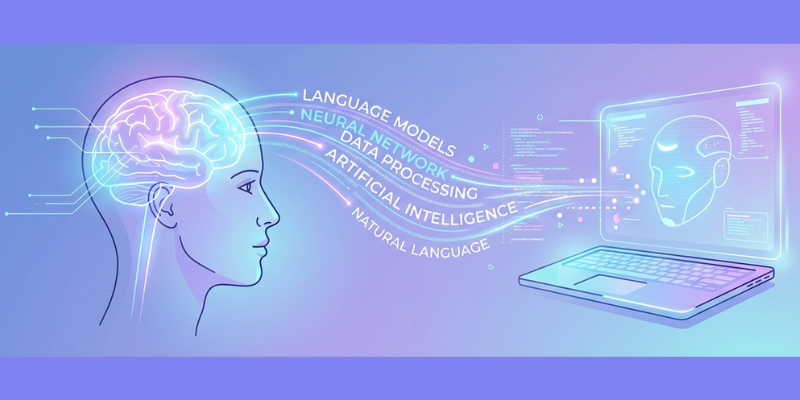
Language models are a key part of modern Artificial Intelligence. They help machines understand, process, and generate human language in a meaningful way. From chatbots to translation tools, these models power many applications we use every day.
At a basic level, a language model learns patterns in text. It studies large amounts of written content to predict what word comes next in a sentence. This ability allows it to form sentences that sound natural and relevant. If you are curious to learn how these systems work in detail, you can consider enrolling in an Artificial Intelligence Course in Trivandrum at FITA Academy to build practical knowledge step by step.
What is a Language Model
A language model is a system designed to understand and generate text. It works by analyzing sequences of words and learning how they relate to each other. The goal is to predict the next word based on the previous words in a sentence.
For example, if you type a sentence, the model guesses what should come next. It does not think like a human, but it uses patterns it has learned during training. This makes it very effective at tasks like writing, answering questions, and summarizing content.
How Language Models Learn
Language models learn from large datasets that include books, articles, and other forms of text. During training, the model processes millions or even billions of sentences. It identifies patterns, grammar rules, and context from this data.
The learning process involves adjusting internal parameters. These parameters help the model decide which words are more likely to appear together. Over time, the model becomes better at predicting accurate and meaningful sentences. If you want to explore these concepts deeper and gain hands-on experience, you can take an Artificial Intelligence Course in Kochi to strengthen your understanding through guided learning.
Key Components of Language Models
Language models rely on a few important components to function effectively. One of the main elements is the neural network, which processes and analyzes data. Another important aspect is the training data, which provides the information the model learns from.
Context is also very important. Contemporary language models are capable of grasping the significance of a sentence by considering the surrounding words. This helps them generate responses that are not only correct but also relevant to the situation.
Types of Language Models
Various kinds of language models exist, and each serves a specific function. Some models focus on predicting the next word in a sequence. Others are designed to understand the meaning of entire sentences or paragraphs.
Simple models work with basic probability rules, while advanced models use deep learning techniques. These advanced models can handle complex tasks like conversation, translation, and content creation.
Real World Applications
Language models are used in many real-world applications. They power virtual assistants, chatbots, and search engines. They also help in writing emails, generating content, and translating languages.
Businesses use language models to improve customer support and automate communication. These models save time and make interactions more efficient. As technology advances, its uses will become increasingly prevalent.
Language models are an important part of how machines understand human language. They learn from data, identify patterns, and generate meaningful text. Even though they are complex systems, their basic idea is simple and easy to understand.
As Artificial Intelligence continues to grow, learning about language models can open many opportunities. If you are interested in building a career in this field, you can enroll in an Artificial Intelligence Course in Pune to gain practical skills and move forward with confidence.
Also check: Top Open-Source Datasets for Machine Learning Projects

 English
 Arabic
 French
 Spanish
 Portuguese
 Deutsch
 Turkish
 Italiano
 Russian
 Romaian
 Portuguese (Brazil)
 Greek
Greek