

The Fabric of Identity: Understanding the Values Behind Muslim Clothing and the Bisht
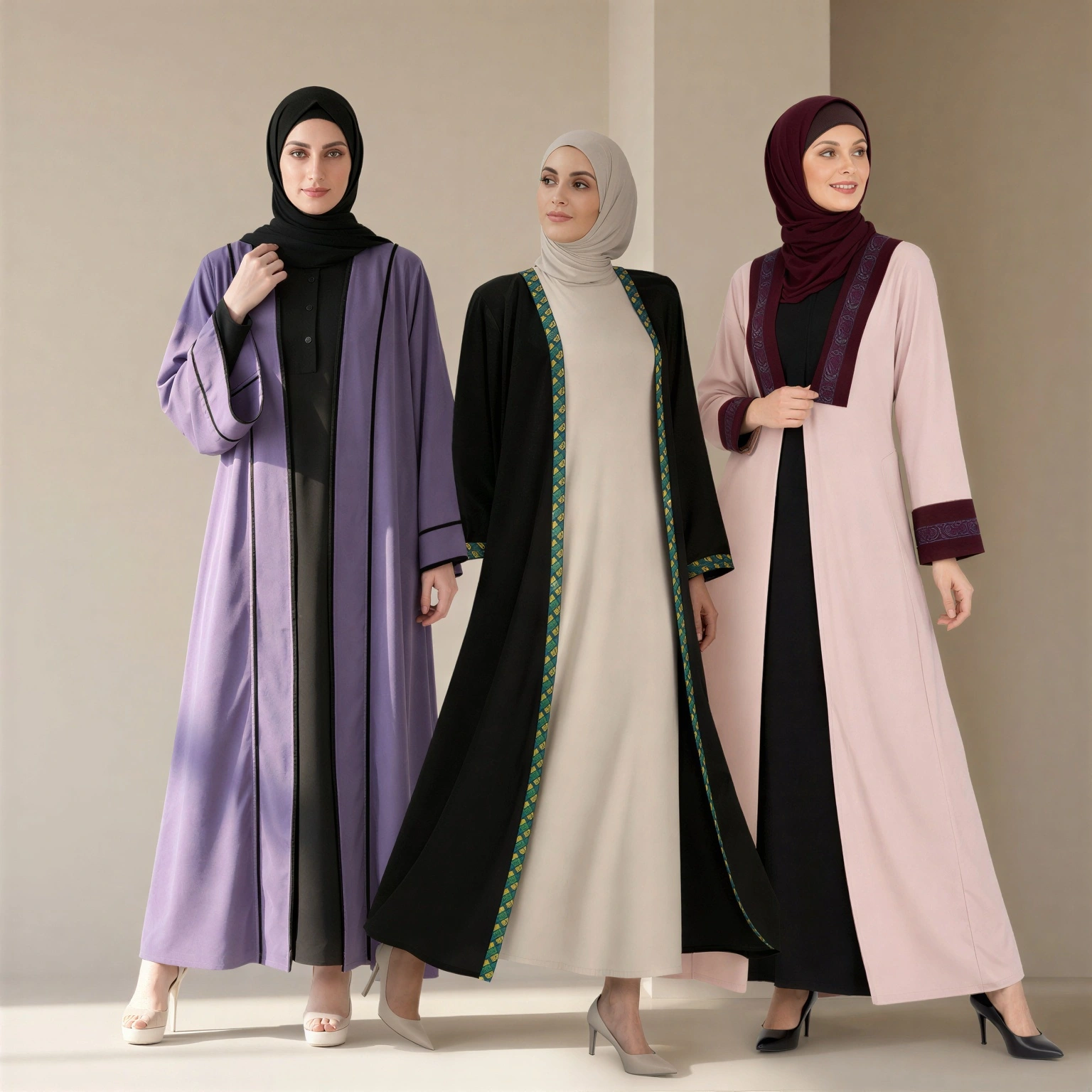
In the diverse cultural landscapes of the USA and Canada, fashion is often seen as a form of self-expression. For many, however, what we wear goes far beyond personal aesthetics. It is a reflection of a deeply rooted value system. Muslim clothing has become a significant part of the North American fabric, representing a bridge between ancient traditions and modern life. At the heart of this attire lies a commitment to modesty, dignity, and a profound respect for one's heritage—values that resonate across borders and generations.
The Foundation of Modesty and Character
The primary philosophy guiding traditional attire is Haya, an Arabic term that encompasses modesty, shyness, and self-respect. In a fast-paced Western society, choosing to wear garments that prioritize coverage and comfort over fleeting trends is a powerful statement of intentionality.
For both men and women, Muslim clothing is designed to shift the focus from the external physical form to the internal character. In major cities from Toronto to New York, you will see a beautiful variety of styles—from flowing abayas and elegant hijabs to structured thobes and tunics. These garments are not just about "covering up"; they are about presenting oneself to the world with a sense of grace and spiritual "God-consciousness" (Taqwa).
The Bisht: A Symbol of Honor and Celebration
While daily attire focuses on humility, certain garments are reserved for life’s most significant milestones. The Bisht stands as perhaps the most prestigious example of this. A flowing outer cloak, typically worn over a thobe, the Bisht has been a symbol of nobility, prestige, and high status for centuries.
In the context of the USA and Canada, the Bisht is frequently seen at weddings, Eid celebrations, and graduation ceremonies. It is the "black-tie" equivalent of traditional attire. Wearing a Bisht is an act of honoring the occasion.
- The Craftsmanship: Traditionally made from camel hair or fine wool, a high-quality cloak often features intricate Zari embroidery—hand-stitched gold or silver thread along the edges.
- The Gesture: There is a specific etiquette to wearing it; it is draped over the shoulders, and the wearer often uses their left hand to hold it, leaving the right hand free for greetings and handshakes—a gesture of openness and respect.
Adapting Tradition to the North American Climate
Living in North America requires a practical approach to traditional wear. The freezing winters of Ontario or the humid summers of the Tri-State area mean that fabric choice is essential. Modern interpretations of Muslim clothing have evolved to meet these needs without compromising on values.
Today, you can find lightweight, breathable linens for summer wear and heavy, wool-blend options for the colder months. Many individuals in the USA and Canada choose to blend their traditional pieces with contemporary Western items—pairing a tunic with tailored trousers or a designer scarf—creating a unique "modest-chic" aesthetic that feels at home in a professional office or a local community center.
Values That Transcend Borders
Why does this clothing remain so relevant in the 21st century? Because the values it represents are universal.
- Dignity: Wearing traditional attire is a way of saying that one's identity is not for sale to the highest bidder of fast fashion. It is a rootedness in history.
- Community: When you see someone in a beautifully tailored thobe or a ceremonial Bisht, there is an instant connection. It signals a shared understanding of faith and culture.
- Respect: Dressing well for Friday prayers or family gatherings shows respect for the sanctity of the event and the people attending.
A Modern Legacy
In the USA and Canada, the conversation around Muslim clothing is changing. It is no longer viewed through a singular lens but as a vibrant, multi-faceted industry that celebrates diversity. From the runways of modest fashion weeks to the aisles of local boutiques, the emphasis remains on quality, ethical production, and timeless style.
Investing in a piece like a Bisht is more than a purchase; it is the acquisition of an heirloom. It is a garment that a father might pass down to his son on his wedding day, carrying with it the stories of the past and the hopes for the future.
Conclusion
Whether it is the daily choice of modest attire or the ceremonial donning of a Bisht, these garments serve as a reminder of who we are and what we stand for. In a world that is constantly changing, holding onto these sartorial traditions allows individuals in the USA and Canada to walk with confidence, knowing their clothing reflects their highest values. It is a testament to the fact that you can be fully modern while remaining deeply traditional, proving that true style is, and always will be, a reflection of the soul.

 English
 Arabic
 French
 Spanish
 Portuguese
 Deutsch
 Turkish
 Dutch
Dutch
 Italiano
 Russian
 Romaian
 Greek
Greek