

The Complete Dog Vaccination Guide: Puppy Schedules, Kennel Cough, Booster Timelines, Travel Vaccines & Senior Dog Needs
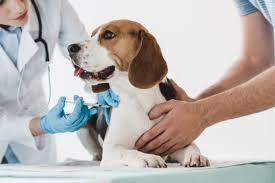
Vaccinating your dog is one of the most fundamental responsibilities of pet ownership. Vaccines protect your dog from serious, often fatal diseases — many of which are entirely preventable with a simple injection. Yet many dog owners are unsure which vaccines their dog actually needs, when boosters are due, or how vaccination requirements change as their dog ages.
This guide covers everything you need to know: the full puppy vaccination schedule, kennel cough protection, adult booster timelines, vaccines required for travel, and how to care for senior dogs whose immune systems need special consideration.
Why Dog Vaccination Matters
Infectious diseases spread rapidly among dog populations, particularly in parks, boarding kennels, grooming facilities, and anywhere dogs interact. Without vaccination, diseases like parvovirus and distemper can spread through entire neighbourhoods within weeks.
Beyond protecting your individual dog, vaccination contributes to community immunity. When enough dogs in a population are vaccinated, disease transmission slows dramatically, protecting even those dogs too young, too old, or too unwell to be vaccinated themselves.
Vaccination is also a legal and practical requirement in many situations. Most boarding kennels, dog training schools, and dog shows require proof of current vaccination before they will accept your dog.
Core vs. Non-Core Vaccines: Understanding the Difference
Vaccines for dogs are divided into two categories:
Core vaccines are recommended for every dog regardless of lifestyle, location, or risk level. They protect against diseases that are widespread, severe, or transmissible to humans.
Non-core vaccines are recommended based on individual risk factors such as lifestyle, geographic location, and exposure to other animals.
Core Vaccines for Dogs
Distemper (D) A highly contagious viral disease affecting the respiratory, gastrointestinal, and nervous systems. Distemper is often fatal and has no cure. It spreads through airborne exposure and contact with infected animals.
Hepatitis (H) Canine adenovirus type 1 causes infectious canine hepatitis, which attacks the liver and can cause severe illness or death. The vaccine uses adenovirus type 2, which also provides cross-protection.
Parvovirus (P) One of the most serious and widespread diseases in dogs. Parvovirus attacks the digestive system and immune cells, causing severe vomiting, bloody diarrhoea, and rapid dehydration. It is highly contagious, extremely hardy in the environment, and fatal in a significant percentage of unvaccinated dogs, particularly puppies.
These three are typically combined into a single injection referred to as the C3 vaccine.
Non-Core Vaccines
Parainfluenza and Bordetella bronchiseptica (Kennel Cough components) Recommended for dogs that visit kennels, groomers, dog parks, or training classes.
Leptospirosis Recommended for dogs in rural areas or those with exposure to wildlife, waterways, or rodents.
Canine Coronavirus Recommended in some higher-risk environments but not universally required.
The Complete Puppy Vaccination Schedule
Puppies are born with some maternal antibodies from their mother's milk that provide temporary immunity. However, these antibodies wane over the first weeks of life, leaving puppies increasingly vulnerable. The puppy vaccination schedule is designed to bridge this gap with a series of injections that build lasting immunity.
| Age | Vaccine | Notes |
|---|---|---|
| 6 to 8 weeks | C3 (Distemper, Hepatitis, Parvovirus) | First puppy vaccination |
| 10 to 12 weeks | C3 + Kennel Cough (if required) | Second core vaccination |
| 14 to 16 weeks | C3 | Final puppy course injection |
| 12 to 16 months | C3 booster | First adult booster |
Why three injections? Maternal antibodies in a puppy's bloodstream can interfere with vaccine response. Because maternal antibody levels vary between individual puppies, a series of three injections ensures that at least one dose is given after maternal protection has faded enough for the puppy's immune system to mount its own full response.
Important: Puppies are not fully protected until 10 to 14 days after their final puppy vaccination. Until that point, avoid unvaccinated dogs, public parks, and high-risk areas. Socialisation is critical during this window, but keep it in controlled, safe environments such as puppy preschool classes that require vaccination proof from all attendees.
Kennel Cough: What It Is and When to Vaccinate
Kennel cough (infectious tracheobronchitis) is a highly contagious respiratory infection caused by a combination of viral and bacterial agents. The most common culprits are Bordetella bronchiseptica (bacteria) and canine parainfluenza virus (virus). In many cases both are involved simultaneously.
Symptoms of Kennel Cough
- Harsh, honking cough that sounds like something is stuck in the throat
- Retching or gagging after coughing episodes
- Runny nose and watery eyes
- Lethargy and reduced appetite in more severe cases
Kennel cough is rarely fatal in healthy adult dogs but can become serious in puppies, elderly dogs, and immunocompromised animals. It spreads through airborne droplets and contact with contaminated surfaces.
Kennel Cough Vaccine Options
Intranasal vaccine — administered as drops directly into the nostrils. Provides faster onset of protection (within 72 hours) and is ideal when travel or kennel use is imminent. Some dogs experience mild sneezing after administration.
Injectable vaccine — given as a standard injection. Takes slightly longer to provide full protection but may be combined with other vaccines.
Most boarding kennels require proof of kennel cough vaccination within the past 6 to 12 months before accepting a dog. Check requirements with your specific kennel well in advance.
Kennel Cough Booster Schedule
- Annual booster recommended for dogs with regular social exposure
- Some high-exposure dogs (frequent boarding, dog daycare) may benefit from vaccination every 6 months
Adult Dog Booster Timelines
Once the puppy vaccination course is complete, adult dogs require regular boosters to maintain immunity. Over-vaccination has become a growing concern in veterinary medicine, and most modern vaccination protocols now use a tiered approach.
Current Recommended Booster Protocol
Annual (every 12 months):
- Kennel cough (Bordetella + Parainfluenza) for at-risk dogs
Triennial (every 3 years):
- C3 core vaccines (Distemper, Hepatitis, Parvovirus) after the initial adult booster at 12 to 16 months
Research has demonstrated that core vaccines provide immunity lasting at least 3 years in the majority of dogs after the puppy series and first adult booster. Most veterinary associations now endorse triennial core boosters for adult dogs rather than annual core revaccination.
Titre Testing as an Alternative Titre testing is a blood test that measures the level of existing antibodies in your dog's bloodstream. A dog with sufficient antibody levels for distemper, hepatitis, and parvovirus may not need a booster injection at that time. Titre testing is particularly useful for dogs with a history of vaccine reactions, chronic illness, or owner concerns about over-vaccination. Discuss this option with your veterinarian.
Travel Vaccines: What You Need Before Crossing Borders
If you plan to travel interstate or internationally with your dog, vaccination requirements can be strict and non-negotiable. Failing to meet destination requirements can result in extended quarantine or refusal of entry.
Domestic Travel Requirements
Most interstate travel within the country does not require additional vaccines beyond the standard C3. However, if your dog will be boarding, attending shows, or visiting areas with specific disease risks, confirm requirements in advance.
International Travel Vaccinations
Rabies Vaccine Rabies does not exist in the domestic dog population in this region, which is why the country maintains strict biosecurity at its borders. However, if you are taking your dog overseas to countries where rabies is present, a rabies vaccination course is mandatory and must be completed well in advance of departure. Requirements vary by destination country.
When returning from overseas, your dog will be subject to the national biosecurity import conditions, which currently include a period in an approved post-entry quarantine facility. Requirements are updated regularly, so always check with the national biosecurity authority well before your planned departure.
Leptospirosis Vaccine Required or strongly recommended for travel to many Asian and Pacific countries where leptospirosis is endemic. Two initial doses are needed several weeks apart, so planning ahead is essential.
Leishmaniasis Vaccine Relevant if travelling to parts of Europe or the Middle East. Not routinely available everywhere, so consult a veterinarian with travel medicine experience.
Travel Vaccination Timeline
Begin planning your dog's travel vaccinations at least 3 to 6 months before departure. Some vaccines require a primary course of two doses weeks apart, followed by a waiting period before the vaccine is considered active. Leaving this to the last minute can jeopardise your travel plans entirely.
Vaccinating Senior Dogs: Special Considerations
Dogs aged 8 years and older are considered senior, and their vaccination needs deserve careful individual assessment. Two competing concerns come into play with older dogs:
Increased vulnerability to disease: Ageing immune systems are less efficient at mounting responses to new infections. Senior dogs may be more severely affected by diseases that a younger dog would fight off more easily.
Increased risk of adverse reactions: Older dogs, particularly those with chronic health conditions, liver or kidney disease, or immune-mediated disorders, may be more likely to experience side effects from vaccination.
Recommended Approach for Senior Dogs
Work with your veterinarian to assess your individual dog rather than following a blanket schedule. The following principles generally apply:
- Continue kennel cough vaccination annually if the dog has regular social exposure
- Consider titre testing before administering core boosters to established senior dogs with a history of regular vaccination
- Discuss any chronic health conditions before scheduling vaccines — dogs with active illness or immune suppression may need vaccination timing adjusted
- Maintain records carefully so your vet can see the full vaccination history and make informed decisions
Senior dogs who have been consistently vaccinated throughout their adult life often have robust immunity. Titre testing frequently reveals that these dogs have strong antibody levels and may not need every scheduled booster.
Vaccine Reactions: What to Watch For
Most dogs tolerate vaccination very well. Mild side effects that are considered normal include:
- Mild lethargy for 24 to 48 hours after vaccination
- Slight swelling or tenderness at the injection site
- Reduced appetite on the day of vaccination
Seek veterinary attention immediately if your dog shows:
- Facial swelling or hives within 30 to 60 minutes of vaccination
- Vomiting or collapse
- Difficulty breathing
- Persistent swelling at the injection site beyond 2 to 3 weeks
Severe allergic reactions (anaphylaxis) are rare but can occur. Staying with your dog for at least 30 minutes after vaccination allows you to monitor for any immediate reaction.
Keeping Vaccination Records
Maintain a dedicated vaccination record for your dog throughout their life. This document should include:
- Vaccine name and manufacturer
- Batch number
- Date of administration
- Administering veterinarian and clinic
- Next due date
Most veterinary clinics issue a vaccination certificate at each visit. Keep these records in a safe place and bring them to every vet appointment, kennel check-in, and border crossing. Digital copies stored on your phone provide a useful backup.
Final Thoughts
A consistent, well-planned vaccination program is one of the greatest gifts you can give your dog. The diseases vaccines prevent are genuinely devastating, and the cost of vaccination is a fraction of the emotional and financial toll of treating a preventable illness.
Work closely with a trusted veterinarian, keep accurate records, and adjust your dog's vaccination schedule thoughtfully as they move from puppyhood through to their senior years. Prevention, done properly, is always far better than cure.

 English
 Arabic
 Spanish
 Portuguese
 Deutsch
 Turkish
 Dutch
Dutch
 Italiano
 Russian
 Romaian
 Portuguese (Brazil)
 Greek
Greek