Understanding almonds production cost is critical for stakeholders across the agricultural and food processing value chain. From growers and processors to investors and procurement teams, cost visibility enables informed decision-making in a market shaped by fluctuating input prices and evolving global demand.
Almond consumption continues to rise due to its application in food processing, dairy alternatives, and health-focused products. However, producers face increasing pressure from:
- Water scarcity and irrigation costs
- Labor shortages in key producing regions
- Energy price volatility
- Supply chain disruptions
In this context, a detailed almonds production cost analysis becomes essential for evaluating profitability, optimizing sourcing strategies, and planning long-term investments.
Overview of Almonds Manufacturing
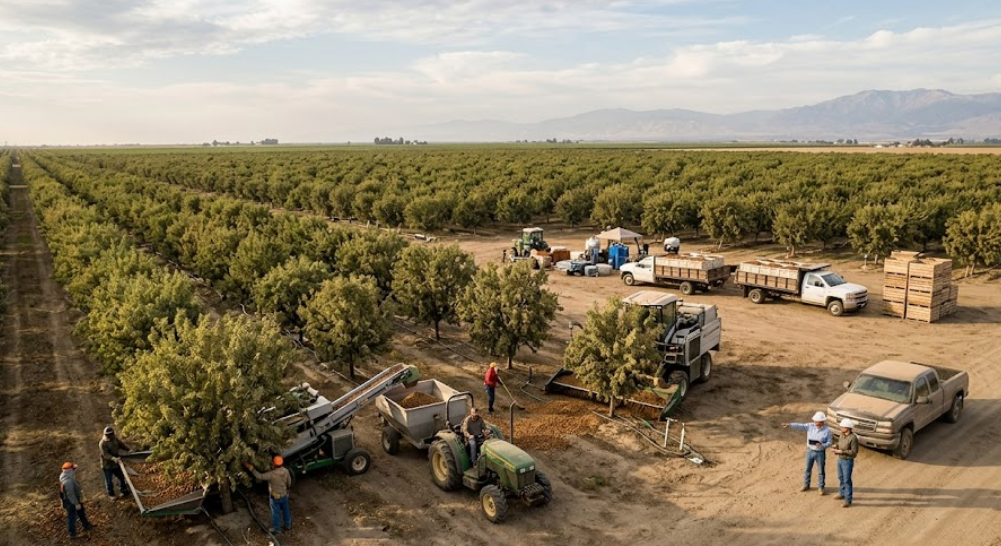
Almond production is an agricultural-industrial process involving cultivation, harvesting, processing, and packaging. While not a chemical manufacturing process, it still follows structured production economics similar to industrial commodities.
Key Stages in Almond Production
- Cultivation
- Orchard establishment and tree maintenance
- Irrigation and nutrient management
- Harvesting
- Mechanical shaking and collection
- Drying of harvested almonds
- Processing
- Hulling and shelling
- Sorting and grading
- Pasteurization (for food safety compliance)
- Packaging and Distribution
- Bulk or retail packaging
- Logistics and export handling
Modern almond processing facilities incorporate automation technologies for sorting, grading, and packaging, improving efficiency and reducing labor dependency.
Key Raw Materials and Inputs
The cost of producing almonds is heavily influenced by agricultural inputs and natural resource availability.
Primary Inputs
- Water (Irrigation):
Almonds are water-intensive crops. Irrigation is often the largest single cost component, particularly in regions like California.
- Fertilizers and Soil Nutrients:
Nitrogen, phosphorus, and potassium-based fertilizers are essential for yield optimization.
- Pesticides and Crop Protection Chemicals:
Used to manage pests such as navel orangeworm and diseases like fungal infections.
- Energy Inputs:
Electricity or fuel for irrigation systems, machinery, and processing plants.
- Labor:
Skilled and seasonal labor for orchard management and harvesting.
Impact on Production Cost
Fluctuations in these inputs directly affect almonds manufacturing cost:
- Rising fertilizer prices increase per-acre cultivation cost
- Water scarcity leads to higher irrigation expenses
- Energy cost volatility impacts processing and logistics
Major Cost Drivers in Production
A comprehensive almonds production cost analysis reveals several critical cost components:
1. Raw Material and Input Costs
- Seeds (saplings) and orchard establishment
- Fertilizers and agrochemicals
- Water usage and irrigation infrastructure
2. Energy Consumption
- Pumping water for irrigation
- Processing plant operations
- Cold storage and transportation
3. Labor Costs
- Orchard maintenance
- Harvesting operations
- Processing and packaging
4. Capital and Maintenance Costs
- Orchard development (long gestation period of 3–5 years)
- Equipment and machinery maintenance
- Processing facility investments
5. Logistics and Transportation
- Domestic distribution
- Export costs, including shipping and compliance
Market Influence on Cost Drivers
- Global fertilizer price spikes increase cultivation expenses
- Fuel price volatility affects transportation and processing
- Labor shortages push wages upward, especially in developed regions
Regional Cost Differences
The almonds plant cost and overall production economics vary significantly across regions due to environmental and economic factors.
North America (Primarily California)
- Dominates global production
- High water and labor costs
- Advanced mechanization offsets some expenses
- Strict environmental regulations increase compliance costs
Middle East
- Limited production due to water scarcity
- Higher irrigation costs
- Reliance on imports rather than large-scale cultivation
Asia (India, China)
- Growing production in select regions
- Lower labor costs
- Variable yields due to climatic conditions
- Increasing domestic demand influencing pricing
Europe (Spain, Italy)
- Moderate production levels
- Higher labor and regulatory costs
- Increasing adoption of sustainable farming practices
Key Takeaway
Regional variations in:
- Water availability
- Energy prices
- Labor costs
- Regulatory frameworks
create significant differences in industrial production cost structures globally.
Impact of Market Trends on Production Economics
Emerging trends are reshaping the almonds manufacturing cost landscape.
1. Sustainable Agriculture
- Adoption of water-efficient irrigation systems
- Organic farming practices increasing input costs but improving margins
2. Water Management Innovations
- Drip irrigation and precision agriculture
- Recycling and efficient water usage technologies
3. Mechanization and Automation
- Automated harvesting and sorting systems
- Reduced dependency on manual labor
4. Climate Change Impact
- Unpredictable weather affecting yields
- Increased investment in resilient crop varieties
5. Energy Transition
- Use of renewable energy in processing plants
- Reduction in long-term energy costs but higher initial investment
These trends are influencing long-term manufacturing economics, requiring producers to balance sustainability with cost efficiency.
Why Detailed Production Cost Intelligence Matters
For stakeholders, access to detailed almonds production cost data is essential for:
- Investment Planning:
Evaluating feasibility of new orchards or processing facilities
- Procurement Strategy:
Understanding cost structures to negotiate better sourcing contracts
- Operational Efficiency:
Identifying cost-saving opportunities in inputs and processes
- Risk Management:
Anticipating the impact of input price volatility and climate risks
Without granular cost insights, companies risk inefficiencies and reduced competitiveness in a dynamic global market.
The Value of an Almonds Production Cost Report
A comprehensive Almonds Production Cost Report provides a structured breakdown of all economic components involved in almond cultivation and processing.
Such a report typically includes:
- Detailed raw material cost analysis (water, fertilizers, labor)
- Capital investment and almonds plant cost estimation
- Operating expenses and processing costs
- Yield and productivity benchmarks
- Profitability and margin analysis
For manufacturers, investors, and procurement teams, this level of intelligence supports:
- Strategic decision-making
- Cost optimization initiatives
- Market entry and expansion planning
By leveraging a reliable Almonds Production Cost Report, stakeholders can gain a clear understanding of the cost structure and competitive dynamics of the almond industry.
Final
The economics of almond production are shaped by a complex interplay of agricultural inputs, energy costs, labor dynamics, and regional factors. As global demand continues to grow, understanding the cost of producing almonds becomes increasingly important for maintaining profitability and operational efficiency.
Data-driven insights into almonds production cost analysis empower businesses to:
- Navigate market volatility
- Optimize production strategies
- Make informed investment decisions
In an environment where resource constraints and sustainability pressures are intensifying, robust cost intelligence is no longer optional—it is a strategic necessity for long-term success.



 Arabic
 French
 Spanish
 Portuguese
 Deutsch
 Turkish
 Dutch
Dutch
 Italiano
 Russian
 Romaian
 Portuguese (Brazil)
 Greek
Greek