

How to Choose the Right Commercial RIB Boat Today
Selecting the right Commercial RIB Boat is a critical decision for professionals operating in demanding marine environments. Whether used for patrol, rescue, transport, or offshore support, rigid inflatable boats (RIBs) are valued for their durability, speed, and versatility. However, with a wide range of models and configurations available, choosing the right one requires careful consideration of your specific needs.
This guide breaks down the key factors to help you make an informed decision when investing in a Commercial RIB Boat today.
Understanding Your Operational Needs
Before exploring specifications or features, start by identifying how the boat will be used. Different operations require different capabilities.
- Patrol and security: Require stability, durability, and high-speed performance
- Rescue operations: Demand reliability, easy maneuverability, and safety features
- Transport and logistics: Need higher load capacity and fuel efficiency
- Leisure or mixed-use: May prioritize comfort along with performance
Clearly defining your primary use case ensures that the chosen Commercial RIB Boat aligns with your operational goals.
Choosing the Right Size and Capacity
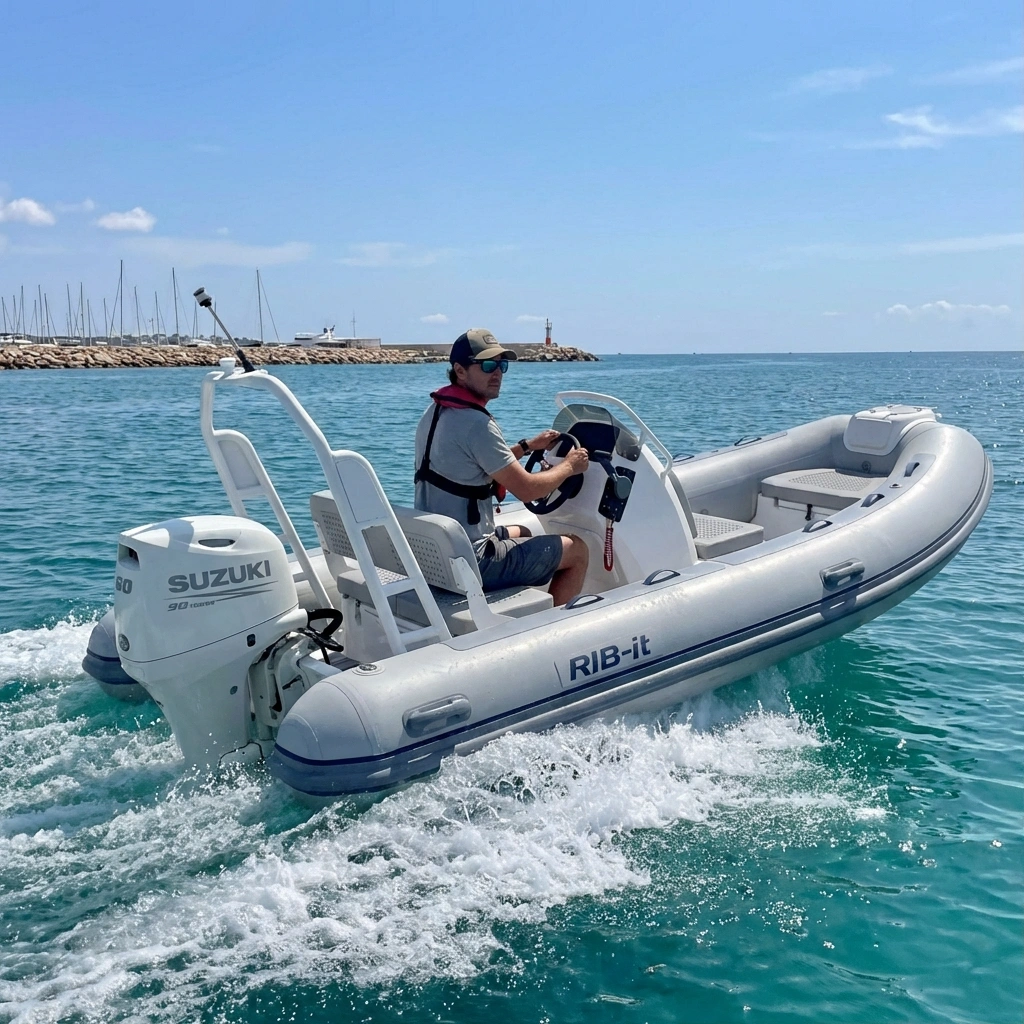
Boat size directly impacts performance, carrying capacity, and usability. Commercial RIBs typically range from compact 3.3m vessels to larger 10m boats.
- Smaller boats (3.3m–5m): Ideal for quick deployment and light-duty operations
- Mid-size boats (5m–7m): Balanced for transport, patrol, and general commercial use
- Larger boats (7m–10m): Suitable for offshore missions, heavy-duty work, and larger crews
For example, compact models are easier to transport and launch, while larger vessels provide better stability in rough waters and can carry more equipment or passengers.
Hull Design and Performance
The hull is the backbone of any Commercial RIB Boat, influencing speed, stability, and fuel efficiency.
- Deep-V hulls: Offer smoother rides in rough seas
- Reinforced aluminum or fiberglass hulls: Provide strength and durability
- Optimized hull shapes: Improve fuel efficiency and handling
A well-designed hull ensures that the boat performs reliably under varying sea conditions, which is essential for commercial operations.
Safety Features and Build Quality
Safety should never be compromised when selecting a Commercial RIB Boat. Look for features that enhance both crew and passenger protection.
Key considerations include:
- High-quality inflatable tubes for buoyancy and shock absorption
- Non-slip decking for secure footing
- Multiple air chambers for added safety
- Reinforced construction using marine-grade materials
Durability is equally important. Boats built with strong materials and robust construction are better equipped to handle harsh marine environments over time.
Engine Power and Efficiency
The engine determines how your boat performs under load and in challenging conditions.
- Higher horsepower engines: Deliver speed and power for emergency or patrol use
- Fuel-efficient engines: Reduce operational costs for regular use
- Twin-engine setups: Provide redundancy and increased reliability
Balancing power and efficiency is key. An underpowered boat may struggle under load, while an overpowered one may increase fuel consumption unnecessarily.
Customization and Layout Options
Every operation has unique requirements, and customization plays a major role in meeting them.
Common customization options include:
- Seating arrangements for crew or passengers
- Storage compartments for equipment
- Console configurations for navigation and controls
- Specialized fittings for rescue or patrol missions
Modern manufacturers offer flexible layouts, allowing buyers to tailor their Commercial RIB Boat to specific operational needs.
Exploring Model Categories
Commercial RIB boats are often categorized based on their intended use. Understanding these categories can help narrow down your options.
- Classic series: Focus on simplicity, durability, and everyday usability
- Sport series: Designed for speed, agility, and dynamic performance
- Hybrid series: Combine comfort and functionality for versatile use
- Patrol series: Built for demanding professional operations with rugged features
From compact tenders to full-scale patrol vessels, a comprehensive model range ensures there is a suitable option for every mission profile.
Budget and Long-Term Value
While upfront cost is important, it should not be the only factor. Consider the total cost of ownership, including:
- Maintenance and servicing
- Fuel consumption
- Durability and lifespan
- Resale value
Investing in a high-quality Commercial RIB Boat may involve a higher initial cost but often results in better reliability and lower long-term expenses.
Why Build Quality Matters
A well-built boat can significantly impact performance and longevity. Boats constructed with marine-grade materials and reinforced structures are better suited for continuous commercial use.
Additionally, performance-driven designs—such as optimized hulls—enhance speed, stability, and fuel efficiency. Choosing a manufacturer that offers customization ensures the boat meets your exact operational requirements.
Final Thoughts
Choosing the right Commercial RIB Boat involves balancing performance, safety, size, and budget. By understanding your operational needs and evaluating key features such as hull design, engine power, and customization options, you can select a vessel that delivers reliable performance in demanding conditions.
A carefully chosen boat not only improves efficiency but also enhances safety and long-term value, making it a worthwhile investment for any commercial marine operation.
FAQs
1. What is a Commercial RIB Boat used for?
A Commercial RIB Boat is commonly used for patrol, rescue operations, transport, offshore support, and other professional marine activities.
2. What size Commercial RIB Boat should I choose?
The ideal size depends on your usage. Smaller boats suit light tasks, while larger vessels are better for offshore and heavy-duty operations.
3. Are Commercial RIB Boats safe in rough waters?
Yes, their deep-V hull design and inflatable tubes provide stability and buoyancy, making them suitable for challenging conditions.
4. How important is customization?
Customization is essential for commercial use, as it allows the boat to be tailored to specific tasks such as rescue, patrol, or transport.
5. What maintenance is required?
Regular engine servicing, hull inspection, and tube maintenance are necessary to ensure long-term performance and safety.

 English
 Arabic
 French
 Spanish
 Portuguese
 Turkish
 Dutch
Dutch
 Italiano
 Russian
 Romaian
 Portuguese (Brazil)
 Greek
Greek