

Innovative Filtration Methods Applied By Sewage Plant Contractor in the Philippines
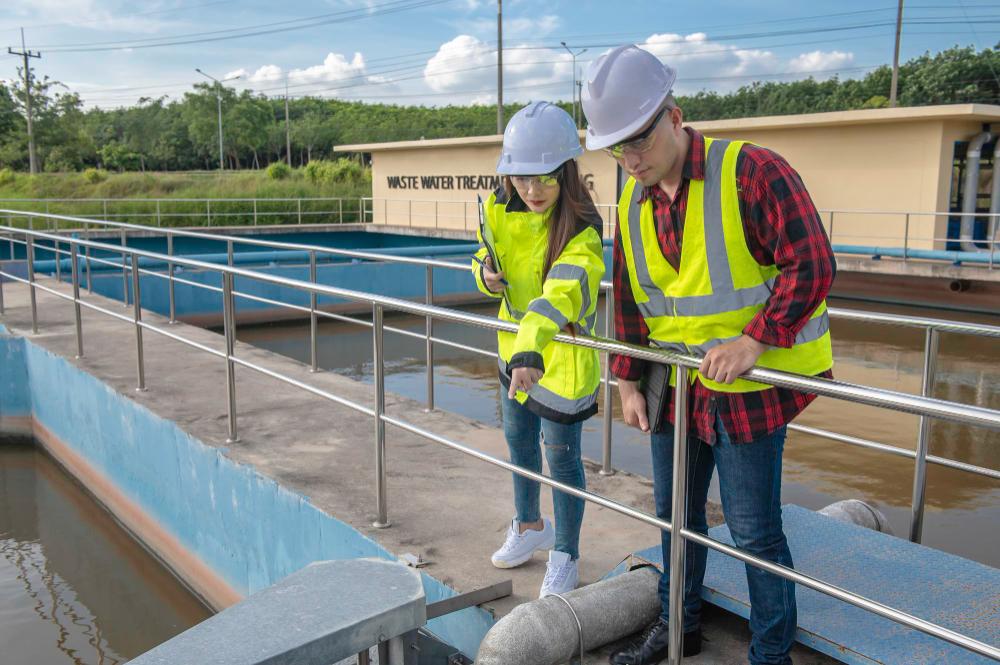
Innovative filtration methods applied by a sewage plant contractor in the Philippines focus on improving wastewater treatment through simple systems that remove solids, chemicals, and harmful microorganisms. These methods support cleaner water output for safe discharge or reuse in different settings. Treatment systems keep developing as water demand increases in cities and industrial areas.
Wastewater treatment is important for public health and the environment. Untreated water can pollute rivers, soil, and nearby communities. A sewage plant contractor in the Philippines develops filtration approaches that reduce contamination while keeping operations stable under different water conditions in treatment facilities.
What Filtration Methods Are
Filtration methods are processes that separate unwanted materials from water using physical, chemical, or biological systems. These systems remove solids, bacteria, and dissolved pollutants at different stages of treatment. Each method targets specific contaminants based on wastewater type and treatment needs.
A sewage plant contractor in the Philippines applies different filtration methods based on wastewater sources. Domestic, industrial, and stormwater systems need different treatment setups. Filtration often works together with other treatment stages to improve overall water quality before release or reuse.
Importance of Filtration
Filtration methods help reduce pollution and protect water sources. Without proper treatment, wastewater can carry harmful substances that damage ecosystems and public health. Effective filtration removes these risks by improving water quality before discharge.
A sewage plant contractor in the Philippines uses filtration systems to meet environmental standards. These standards set limits on pollutants in treated water. Proper filtration helps treatment plants meet these requirements while keeping steady system performance across different conditions.
How Filtration Works
Filtration works by passing water through layers or materials that trap unwanted particles. These materials include sand, carbon, and synthetic membranes. As water moves through these barriers, solids and contaminants are removed, leaving cleaner water for further processing.
A sewage plant contractor in the Philippines considers flow rate, pressure, and filter media when designing systems. These factors affect how well the system removes contaminants. Proper design helps reduce clogging, improve efficiency, and maintain steady operation over time.
Sand Filtration Systems
Sand filtration is a basic method that uses layers of sand to trap suspended particles in water. It is widely used because of its simple design and stable performance. This method is often part of a larger treatment system.
A sewage plant contractor in the Philippines includes sand filtration in many treatment plants. It removes larger particles before water moves to advanced filtration stages. This helps improve overall treatment results and system stability.
Activated Carbon Filtration
Activated carbon filtration removes odors, color, and chemical compounds from wastewater. The porous structure of carbon captures small pollutants that other systems may not fully remove. This method is often used in advanced treatment stages.
A sewage plant contractor in the Philippines applies activated carbon systems in facilities that need higher water quality. These systems help improve clarity and reduce harmful chemical content before discharge or reuse.
Membrane Filtration Systems
Membrane filtration uses fine barriers to separate small particles, bacteria, and viruses from water. Types include microfiltration, ultrafiltration, and reverse osmosis. Each type gives different levels of purification.
A sewage plant contractor in the Philippines uses membrane systems for advanced wastewater treatment. These systems are important in water reuse projects where high-quality output is needed. Careful operation helps prevent membrane clogging and keeps performance stable.
Biological Filtration
Biological filtration uses microorganisms to break down organic waste in wastewater. These microorganisms turn pollutants into less harmful substances through natural processes. This method often works alongside physical filtration systems.
A sewage plant contractor in the Philippines integrates biological filtration into treatment plants to reduce organic load. This helps improve system balance and lowers the need for heavy chemical use in treatment processes.
Hybrid Filtration Systems
Hybrid filtration systems combine multiple treatment methods into one process. These systems may include sand, membrane, and biological filtration working together. The goal is to handle different types of contaminants more effectively.
A sewage plant contractor in the Philippines uses hybrid systems in complex wastewater environments. These systems provide flexible and strong treatment performance compared to single-method setups.
Smart Monitoring Systems
Modern filtration systems include sensors that track performance in real time. These tools measure flow rate, pressure, and water quality. Early detection of issues helps maintain stable system operation.
A sewage plant contractor in the Philippines uses monitoring systems to improve filtration efficiency. Data from sensors supports maintenance planning and system adjustments for steady performance.
Energy Use in Filtration
Filtration systems can use a large amount of energy, especially in big treatment facilities. New designs focus on lowering power use while keeping strong performance. Efficient pumps and improved flow paths help reduce energy demand.
A sewage plant contractor in the Philippines considers energy use when designing filtration systems. Lower energy systems help reduce operational costs and support more sustainable wastewater treatment.
Industrial Wastewater Filtration
Industrial wastewater contains pollutants such as oils, chemicals, and heavy metals. These need special filtration systems for proper removal. Treatment designs depend on the type of industry and waste produced.
A sewage plant contractor in the Philippines develops filtration systems for industrial wastewater treatment. These systems help reduce environmental impact and support compliance with water quality rules.
Water Reuse Systems
Water reuse systems treat wastewater for use in agriculture, industry, and other applications. Filtration is a key step in making water safe for reuse. High-quality treatment is required for safe performance.
A sewage plant contractor in the Philippines applies advanced filtration methods in reuse projects. These systems reduce pressure on freshwater sources and support long-term water management practices.
Maintenance of Filtration Systems
Filtration systems need regular maintenance to stay effective. Filters can become blocked or lose efficiency over time. Routine cleaning and inspection help maintain stable operation.
A sewage plant contractor in the Philippines follows maintenance schedules to keep systems working properly. This helps extend system lifespan and maintain consistent treatment results.
Environmental Impact
Filtration systems help reduce pollution and protect natural ecosystems. Clean wastewater reduces harm to rivers, soil, and marine life. This supports healthier environmental conditions.
A sewage plant contractor in the Philippines uses filtration methods that lower environmental impact. These systems help produce cleaner discharge and support long-term environmental protection goals.
Future of Filtration
Filtration technology continues to improve with new materials and system designs. Research focuses on better efficiency, durability, and performance. Smart systems and advanced membranes are becoming more common.
A sewage plant contractor in the Philippines follows these developments to improve wastewater treatment systems. New technologies help meet rising water demand and stricter environmental standards.
Key Takeaway
Innovative filtration methods remain central to wastewater treatment systems. A sewage plant contractor in the Philippines applies different filtration technologies to improve water quality and support environmental protection. These systems help maintain safe and stable water conditions across various treatment settings.

 English
 Arabic
 French
 Spanish
 Portuguese
 Turkish
 Dutch
Dutch
 Italiano
 Russian
 Romaian
 Portuguese (Brazil)
 Greek
Greek