

Solar Companies in the Philippines vs. Imports: Cost Breakdown 2026
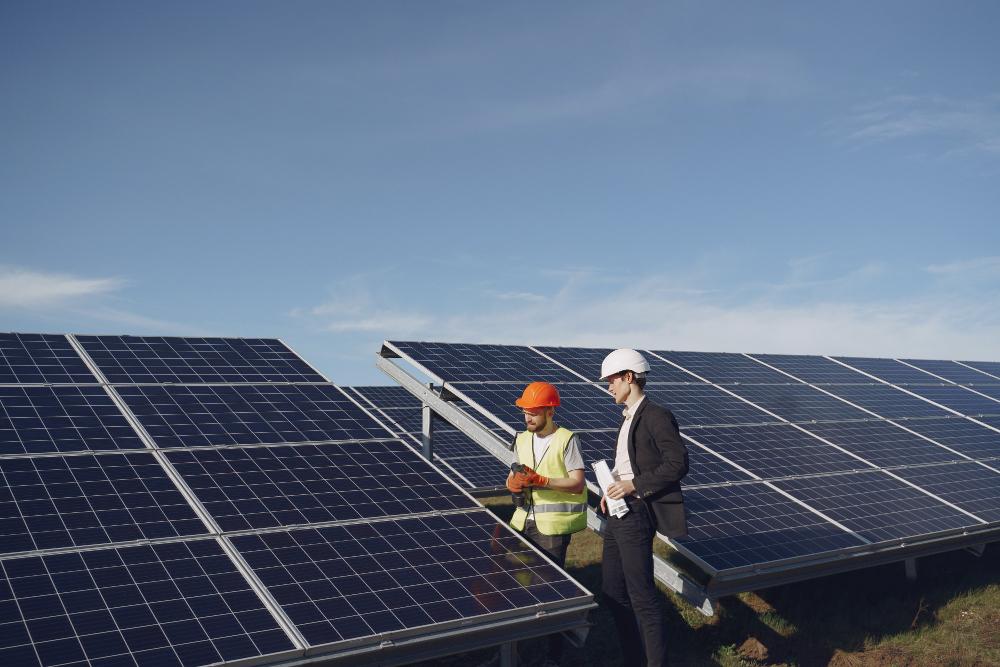
The market for renewable energy equipment has reached a turning point as domestic manufacturing competes with more international suppliers. Many solar companies in the Philippines now offer competitive pricing that rivals the traditional dominance of foreign imports. Looking at how prices are set right now lets investors figure out the most economic way for large-scale and residential installations.
Current Market Dynamics in 2026
Global supply chain changes have influenced the availability and price of photovoltaic hardware across the archipelago. Domestic producers have increased their output to meet the rising demand for sustainable power in regional provinces. This growth has created a more balanced environment where buyers can compare internal production costs against the expense of shipping goods from overseas.
Hardware Procurement and Initial Pricing
Imported panels often carry a lower base price due to the massive scale of factories in neighboring countries. Although, the country’s domestic solar companies provide value through lower logistics costs and immediate availability. The price gap between these two options has narrowed significantly as regional manufacturing centers become more efficient.
Impact of Import Duties and Taxes
Government policies regarding the taxation of renewable energy hardware play a large part in final project costs. While some imports benefit from trade agreements, others face anti-dumping duties that inflate the total expenditure. Domestic products often bypass these specific financial hurdles, making them a more predictable option for budget planning.
Logistics and Transportation Expenses
Moving heavy crates of glass and silicon across international borders involves high freight charges and insurance premiums. These additional costs can add ten to fifteen percent to the total price of imported hardware. Sourcing from providers within the country eliminates these long-distance shipping fees and reduces the time spent in customs.
Inventory Management and Storage Costs
Holding large amounts of imported stock requires significant warehouse space and ties up capital for long periods. Companies that manufacture within the region can operate with leaner inventories and deliver parts exactly when they are needed. This "just-in-time" delivery model helps reduce the overhead costs associated with large-scale solar projects.
Warranty Support and After-Sales Service
Dealing with international manufacturers can lead to delays when a specific component fails and needs a replacement under warranty. Domestic providers offer the advantage of having technical teams and spare parts available within the same time zone. This proximity reduces the downtime of the system and protects the financial returns of the energy investment.
Quality Standards and Performance Ratings
Modern testing facilities in the region verify that domestic panels meet the same international certifications as top-tier imports. High-efficiency ratings are now common across both categories, meaning the performance difference is often negligible. Investors can review detailed data sheets to compare the energy yield of different brands before making a commitment.
Currency Exchange Fluctuations and Risk
Buying equipment from international sources exposes the project to the volatility of global currency markets. A sudden drop in the value of the peso can lead to unexpected cost increases between the time of the quote and the final payment. Sourcing from domestic entities provides a stable price in the native currency, removing this specific layer of financial risk.
Mounting Structure and Material Expenses
The metal frames and racking systems used to secure panels are often made from aluminum or galvanized steel. Sourcing these heavy materials from domestic fabricators is usually more cost-effective than paying for international shipping. These structural components represent a significant portion of the total system cost and are easily found within the country.
Energy Storage and Battery Pricing
The cost of lithium-ion batteries has remained stable despite the high demand for electric vehicle technology. Most battery cells are still imported, though assembly and casing often occur within domestic facilities. This mixed approach allows for a reduction in total system costs while maintaining access to the latest storage chemistry.
Soft Costs and Permitting Fees
Administrative expenses, such as engineer signatures and municipal permits, are identical for both imported and domestic systems. These "soft costs" can account for a large percentage of the total project budget for residential users. Professional firms help navigate these requirements to avoid unnecessary delays and additional legal fees.
Maintenance and Long Term Reliability
Environmental factors like heat and humidity affect the lifespan of all solar components over time. Providers with a strong presence in the country offer regular inspection schedules to identify and fix minor issues. Reliable maintenance prevents small faults from becoming expensive repairs that could hurt the overall profitability of the system.
Economies of Scale for Large Projects
Utility-scale installations often negotiate directly with global manufacturers to secure the lowest possible price per watt. For these massive projects, the sheer volume of the order can sometimes justify the complexities of international shipping. Smaller commercial and residential users, however, find more competitive rates by working with domestic suppliers.
Key Takeaway
The choice between domestic and imported hardware depends on a careful analysis of logistics, taxes, and long-term support. While imports may have lower initial unit prices, solar companies in the Philippines provide significant savings in transportation and warranty services. Balancing these factors allows consumers to find the most cost-effective path toward energy independence this year.

 English
 French
 Spanish
 Portuguese
 Deutsch
 Turkish
 Dutch
Dutch
 Italiano
 Russian
 Romaian
 Portuguese (Brazil)
 Greek
Greek