

How to Source from Construction Suppliers in the Philippines Without Getting Scammed
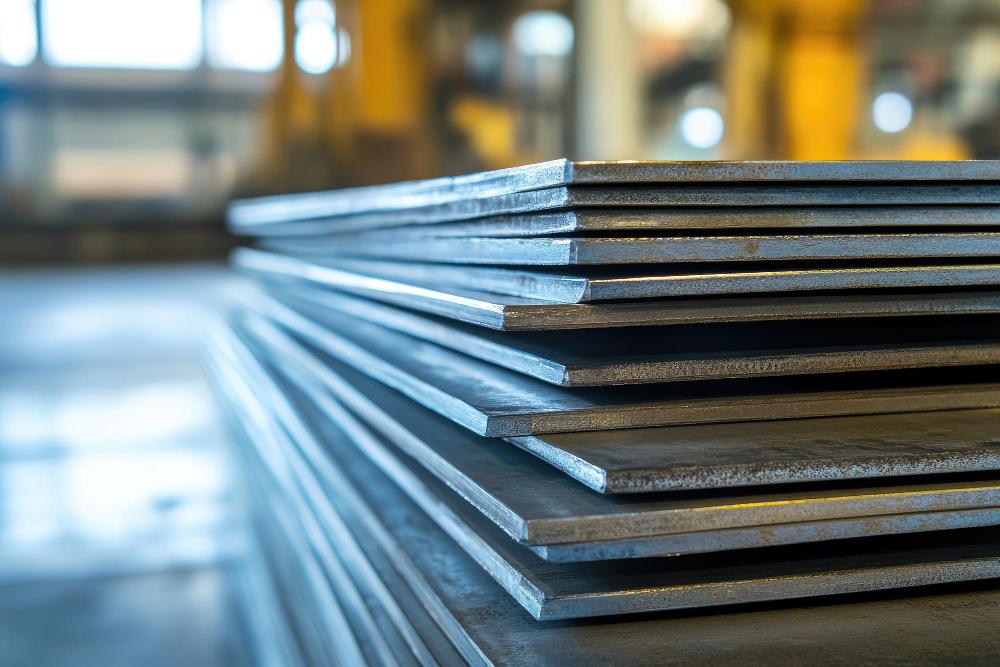
Securing high-quality materials for a building project requires a high level of vigilance and detailed background checks. Hiring construction suppliers in the Philippines means entering an industry where documented history and reputation are more important than low prices. When you set up a safe procurement process, you protect your investment from scams and low-quality building materials.
Verifying Business Legitimacy and Registration
Before sending any funds, request a copy of the supplier’s Department of Trade and Industry or Securities and Exchange Commission registration. Cross-referencing these documents with the current Bureau of Internal Revenue records helps confirm that the entity is a legal business authorized to trade. A legitimate vendor will have no hesitation in providing proof of their standing with the government.
Visiting Physical Offices and Warehouses
Scammers often operate solely through digital platforms and lack a physical location where inventory is stored. Arranging a site visit to the supplier’s warehouse allows you to inspect the quality of the cement, steel, or lumber in person. Seeing the actual stock and the scale of their operations provides peace of mind that the company has the capacity to fulfill large orders.
Assessing the Danger of Unrealistic Pricing
Offers that fall significantly below the current market average are a major red flag for potential fraud. Some dishonest operators lure buyers with deep discounts only to disappear once the initial down payment is settled. Compare quotes from several established vendors to establish a realistic price range for the specific materials you need.
Requesting Product Quality Certifications
Standardized construction materials must follow the guidelines set by the Bureau of Philippine Standards to be safe for structural use. Ask for the Philippine Standard or Import Commodity Clearance marks on items like electrical wires and steel bars. Verifying these certifications prevents the purchase of counterfeit goods that could compromise the safety of the entire building.
Implementing Secure Payment Protocols
Avoid sending full payments to personal bank accounts or through untraceable remittance services. Using corporate bank transfers or check payments creates a clear paper trail that can be used as evidence in case of a dispute. Established companies typically offer official receipts and invoices that include their registered taxpayer identification number.
Investigating Client References and History
A reliable vendor should be able to provide a list of completed projects or current clients who can vouch for their service. Contacting previous buyers helps you learn about the supplier’s punctuality and their honesty regarding material specifications. Check online forums and industry groups for any negative feedback or reports regarding undelivered orders.
Drafting Detailed Purchase Agreements
A formal contract should clearly outline the quantity, unit price, and delivery timeline for every material included in the order. Include specific clauses regarding the return of defective items and the penalties for significant delays in shipment. Having a signed agreement provides a legal foundation for holding the vendor accountable if they fail to meet their obligations.
Monitoring Initial Small Orders
For new partnerships, start with a smaller purchase to test the supplier’s reliability and the quality of their logistics. This approach limits your financial exposure while you evaluate how the company handles communication and delivery schedules. Once the vendor proves their consistency, you can gradually increase the volume of your procurement.
Inspecting Materials Upon Delivery
Never sign a delivery receipt until every item has been thoroughly counted and checked for visible damage. Verify that the brand and grade of the delivered materials match the exact specifications listed in your purchase order. Rejecting incorrect or damaged goods at the point of arrival is much easier than trying to claim a refund later.
Avoiding High-Pressure Sales Tactics
Fraudulent sellers often create a false sense of urgency by claiming that stocks are low or that prices will double the next day. These tactics are designed to force buyers into making a quick decision without performing the necessary due diligence. Take the time to verify all information and consult with a project engineer before committing to a large transaction.
Verifying Delivery Vehicle Information
Dishonest individuals sometimes pose as legitimate distributors by using rented trucks without proper company markings. Request the plate numbers and the names of the delivery personnel before the shipment arrives at your construction site. Confirming these details helps prevent unauthorized individuals from intercepting payments or delivering the wrong materials.
Consulting with Legal Counsel for Large Contracts
When the procurement involves millions of pesos, having a lawyer review the supply agreement is a necessary protective step. Legal experts can identify loopholes in the contract that might leave you vulnerable to hidden fees or non-delivery. This small upfront investment in legal fees can save you from massive financial losses in the future.
Key Takeaway
Protecting your project from fraud requires a combination of common sense and thorough administrative checks. Hiring construction suppliers in the Philippines who value transparency and documentation will guarantee you a more successful and secure building experience. With these structured steps, you can acquire the right materials for your needs.

 English
 Arabic
 French
 Spanish
 Deutsch
 Turkish
 Dutch
Dutch
 Italiano
 Russian
 Romaian
 Portuguese (Brazil)
 Greek
Greek