

How to Analyze Markets Using 5 Forces and Build Better Marketing Strategies
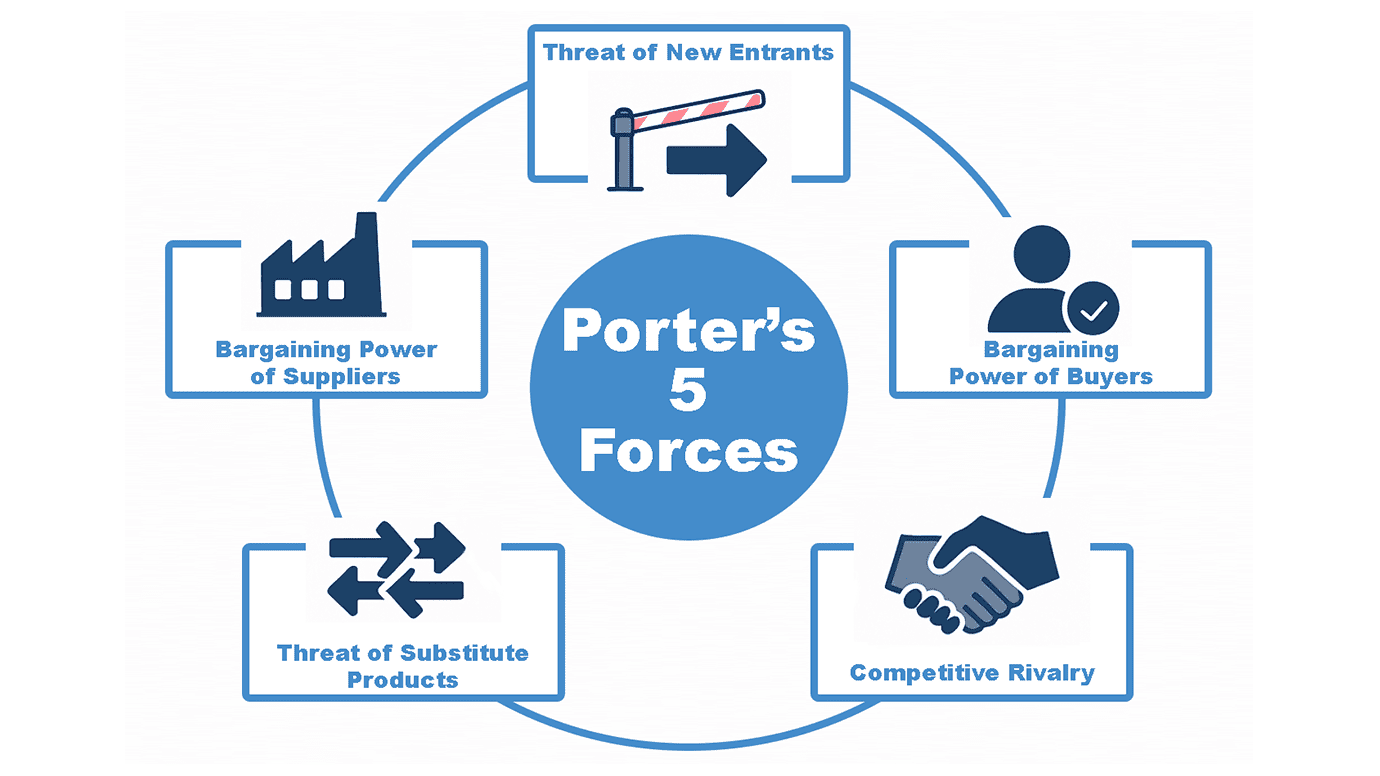
In today’s competitive global market, businesses need clear frameworks to understand both industry dynamics and customer behavior. One of the most widely used strategic tools is porter's five forces, also known as 5 forces analysis, which helps organizations assess how competitive and profitable an industry really is.
The porter's five forces model evaluates five key pressures that shape any industry: the threat of new entrants, bargaining power of suppliers, bargaining power of buyers, threat of substitute products or services, and the intensity of competitive rivalry. A proper 5 forces analysis allows companies to break down these forces and understand where the strongest challenges lie. For example, if buyer power is high, businesses may need to improve value delivery, while high rivalry may push companies toward differentiation or cost optimization.
By applying porter's five forces, organizations can make more informed decisions about entering new markets, expanding operations, or repositioning their brand. It helps reduce uncertainty by providing a structured view of external competition and long-term industry attractiveness.
While industry analysis focuses on external forces, marketing strategy focuses on how businesses create and deliver value. The 4 ps of marketing—product, price, place, and promotion—form the foundation of this approach. These four elements ensure that a business offers the right solution to the right audience at the right time.
Among these elements, price in 4ps of marketing plays a critical role because it directly influences customer demand, perceived value, and profitability. Pricing is not just a financial decision but also a strategic one. Businesses must consider customer expectations, competitor pricing, market conditions, and production costs when deciding pricing levels. A well-designed pricing strategy helps position a brand effectively, whether it targets premium, mid-range, or budget segments.
In service industries, marketing becomes more complex due to the intangible nature of offerings. This is where the marketing mix for services becomes highly relevant. Unlike physical products, services are experienced rather than owned, so customer satisfaction depends heavily on service quality, interaction, and delivery process. The marketing mix for services expands the traditional 4 Ps by including people, process, and physical evidence to improve consistency and trust in service delivery.
When combined, these frameworks provide a complete strategic perspective. porter's five forces and 5 forces analysis help businesses understand external competitive pressures, while the 4 ps of marketing guide internal marketing execution. At the same time, price in 4ps of marketing supports effective revenue strategy, and marketing mix for services ensures strong customer experience in service-based industries.
In conclusion, frameworks such as porter's five forces, 5 forces analysis, 4 ps of marketing, price in 4ps of marketing, and marketing mix for services are essential tools for modern business success. They help organizations analyze competition, improve marketing strategies, and build long-term sustainable growth in an increasingly complex marketplace.

 English
 Arabic
 French
 Spanish
 Portuguese
 Deutsch
 Turkish
 Dutch
Dutch
 Italiano
 Russian
 Romaian
 Portuguese (Brazil)