

Common RSV Symptoms in Adults and When to Seek Medical Help
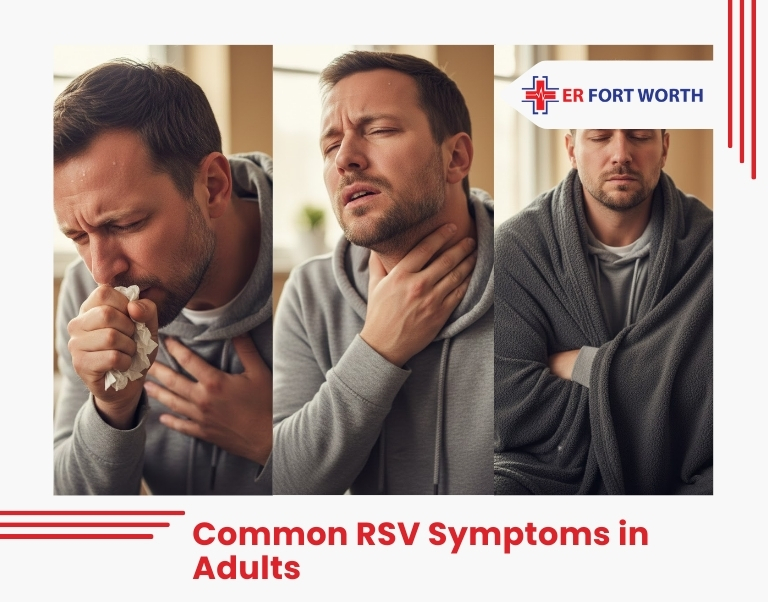
Respiratory Syncytial Virus (RSV) is a common respiratory infection that affects people of all ages. While it is often mild in healthy adults, it can become dangerous in older individuals or those with weakened immune systems in the United States.
Understanding Severe RSV Symptoms in Adults is critical because early warning signs can quickly progress into serious respiratory complications.
This guide explains common symptoms, severe warning signs, and when medical help is necessary.
What is RSV? (AEO Definition)
RSV is a contagious virus that infects the lungs and respiratory tract. It spreads easily through coughing, sneezing, or touching contaminated surfaces.
In adults, RSV often starts like a cold but can develop into severe breathing problems in high-risk individuals.
Common RSV Symptoms in Adults
Most adults experience mild symptoms at first.
Early symptoms include:
- Runny nose
- Sore throat
- Mild cough
- Sneezing
- Low-grade fever
- Fatigue
These symptoms may look similar to a regular flu or cold.
Severe RSV Symptoms in Adults
When RSV becomes serious, it affects breathing and oxygen levels.
Key warning signs of severe infection:
- Difficulty breathing
- Persistent high fever
- Wheezing or chest tightness
- Severe cough
- Rapid breathing
- Chest pain
- Extreme fatigue
These are considered Severe RSV Symptoms in Adults and require immediate medical attention.
Who is at Higher Risk in the United States?
In the United States, RSV can be more dangerous for:
- Adults over 65 years
- People with heart or lung disease
- Individuals with weakened immune systems
- Smokers
For these groups, severe symptoms can lead to hospitalization.
How RSV Spreads
RSV spreads easily through:
- Coughing and sneezing droplets
- Direct contact with infected surfaces
- Close contact with infected individuals
It spreads faster in crowded indoor environments, especially during cold seasons.
Why Severe RSV Symptoms Should Not Be Ignored
Ignoring Severe RSV Symptoms in Adults can lead to:
- Pneumonia
- Bronchitis
- Respiratory failure
- Hospitalization
Early detection helps prevent complications.
Real-Life Example (Micro Story)
A 70-year-old woman in the United States initially experienced mild cold symptoms. Within a few days, she developed severe cough, high fever, and difficulty breathing. Doctors diagnosed severe RSV infection requiring oxygen support. Early hospitalization helped her recover fully.
This shows how quickly RSV can escalate in high-risk adults.
When to Seek Medical Help
Seek immediate care if you notice:
- Severe shortness of breath
- Chest pain or pressure
- High persistent fever
- Bluish lips or fingernails
- Confusion or dizziness
These are emergency signs of severe infection.
Treatment Options for RSV in Adults
There is no specific cure, but treatment focuses on symptom relief:
Medical treatment:
- Oxygen therapy
- IV fluids
- Fever management
- Breathing support
Home care:
- Rest
- Hydration
- Avoid smoking
- Monitor symptoms closely
Prevention Tips
- Wash hands regularly
- Avoid close contact with sick people
- Clean surfaces frequently
- Wear masks during outbreaks
- Strengthen immunity through healthy diet
Conclusion
Severe RSV Symptoms in Adults should never be ignored, especially in high-risk individuals in the United States. Early recognition and timely medical care can prevent serious complications and save lives.

 Arabic
 French
 Spanish
 Portuguese
 Deutsch
 Turkish
 Dutch
Dutch
 Italiano
 Russian
 Romaian
 Portuguese (Brazil)
 Greek
Greek