

What Business Owners Should Really Know About Fire Protection Equipment
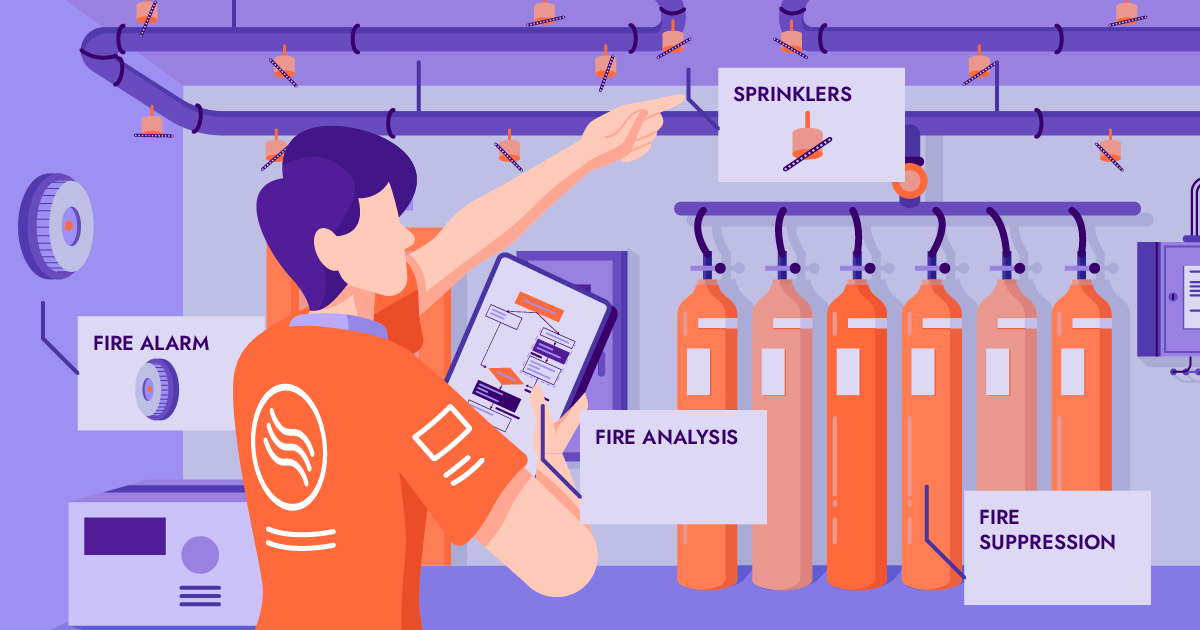
For many businesses, fire safety stays in the background until something forces attention toward it an inspection, a nearby incident, equipment failure, or a sudden emergency that exposes weak points in the building’s safety systems.
It’s understandable. Day to day business operations already involve countless responsibilities, from staffing and customer service to inventory, finances, and scheduling. But fire protection equipment is one area where being reactive instead of proactive can create serious consequences.
The reality is that fire emergencies can develop far faster than most people expect. What begins as a small electrical issue, overheated machine, or kitchen accident can escalate within minutes if the proper systems are not working correctly.
That’s why more businesses are beginning to take a closer look at their fire safety infrastructure before problems happen instead of afterward.
Fire Risks Exist in Almost Every Industry
One common misconception is that only industrial facilities or large warehouses need advanced fire protection systems. In reality, nearly every commercial property faces some level of fire risk.
Restaurants deal with cooking equipment and grease buildup. Offices rely heavily on electronics and power systems. Retail spaces often contain large amounts of packaging materials and inventory. Manufacturing facilities may operate heat-producing machinery daily.
Even smaller businesses can experience significant damage from fires that spread unexpectedly.
Because risks vary so much from one building to another, Fire Protection Equipment needs to match the environment it’s protecting. A system designed for an office may not provide enough coverage for a warehouse or commercial kitchen.
Understanding these differences is a major part of creating safer workplaces.
Maintenance Is Often the Overlooked Problem
Many businesses install fire safety systems and assume the job is finished. But over time, equipment can develop issues that are not immediately visible.
Fire extinguishers may become under pressurized. Alarm systems can malfunction. Sprinkler heads might corrode or become blocked. Emergency lighting may fail during outages.
Without routine inspections and testing, these problems often remain unnoticed until an actual emergency occurs.
This is one reason regular maintenance has become such an important part of fire safety planning. Reliable fire protection equipment depends not only on proper installation but also on consistent upkeep.
Businesses that schedule ongoing inspections are generally in a stronger position to catch problems early before they become safety risks.
Small Safety Issues Can Become Expensive Quickly
Many business owners focus primarily on avoiding catastrophic fires, but even smaller incidents can create major operational disruptions.
Smoke damage alone can impact electronics, inventory, furniture, documents, and ventilation systems. Water damage from suppression systems may interrupt operations for days or even weeks depending on the situation.
Beyond physical repairs, companies may also deal with temporary closures, insurance claims, customer disruptions, and employee safety concerns.
These indirect effects are one reason preventative fire planning is often far less expensive than recovery after an incident.
Businesses that invest time into maintaining fire protection equipment are frequently protecting much more than just the building itself.
Employee Preparedness Still Matters
Technology plays an important role in fire safety, but employee awareness remains equally important.
Even well equipped buildings benefit from workers who understand evacuation procedures, emergency exits, and basic fire response protocols. During stressful situations, confusion can spread quickly if employees are unsure how to respond.
Simple training sessions and periodic safety reviews can improve emergency preparedness significantly.
Employees should know where extinguishers are located, how alarms function, and who to contact if hazards are identified. Encouraging workers to report electrical concerns, blocked exits, or unusual smells can also help prevent larger issues from developing.
Preparedness tends to work best when equipment and people work together.
Fire Safety Technology Continues to Improve
Modern fire protection equipment has evolved considerably over the years. Many newer systems now include advanced monitoring technology, automated alerts, and faster response capabilities designed to reduce damage during emergencies.
Some systems can identify heat abnormalities before visible flames appear. Others integrate directly with building monitoring systems to provide faster notifications and more accurate emergency responses.
These improvements are especially valuable for businesses operating large facilities or managing high-risk environments.
As technology becomes more advanced, many companies are reevaluating older systems to determine whether upgrades could improve reliability and overall protection.
Safety Planning Builds Long Term Stability
One interesting shift happening in many industries is the growing view of fire safety as part of long term business stability rather than just regulatory compliance.
Business owners are increasingly recognizing that workplace safety influences employee confidence, operational continuity, customer trust, and financial security.
Reliable fire protection equipment helps create safer environments where businesses can operate with fewer preventable risks.
This mindset has become especially important for growing companies, expanding facilities, and organizations managing valuable equipment or inventory.
Prevention Is Easier Than Recovery
Recovering from a fire incident can be physically, emotionally, and financially exhausting. Even when insurance helps cover damages, rebuilding operations often takes considerable time and effort.
Preventative safety measures may not eliminate every possible emergency, but they can significantly improve response times and reduce the severity of damage.
For businesses of all sizes, maintaining dependable fire protection equipment remains one of the most practical ways to support safer operations and better emergency preparedness.
As workplace safety standards continue evolving, companies that stay proactive about fire protection are often far better prepared for the unexpected.
📍 Visit: Fire Protection Equipment Co --- 2020 Broadway St NE ste 100, Minneapolis, MN 55413
📞 Call: (800) 450-2885

 English
 Arabic
 French
 Spanish
 Portuguese
 Deutsch
 Turkish
 Dutch
Dutch
 Italiano
 Russian
 Romaian
 Portuguese (Brazil)