

Don't Push Through It: Why Concussion Physiotherapy in Edmonton Is Essential for Safe Recovery
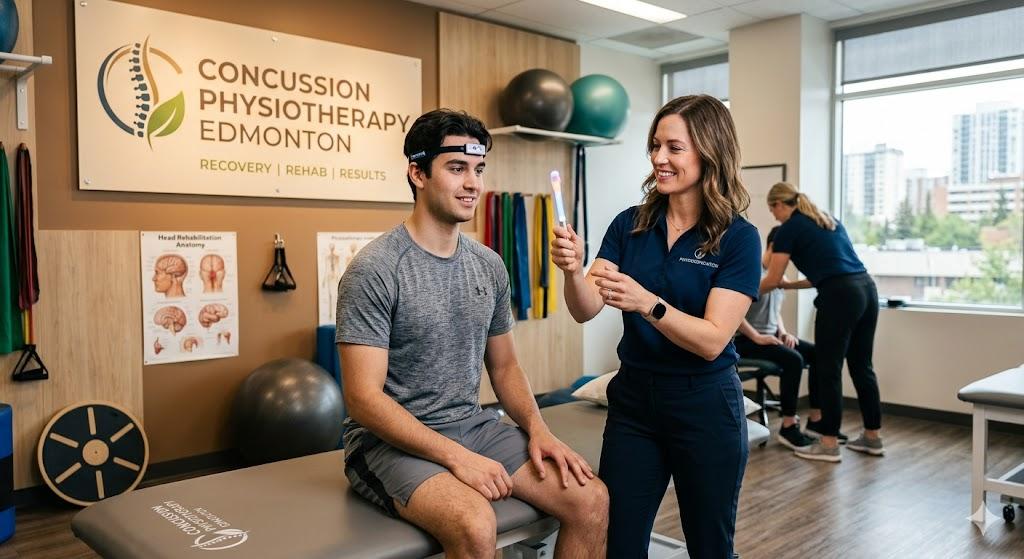
A concussion can happen in seconds but may affect daily life for weeks or even months. Whether caused by a sports injury, motor vehicle accident, fall, or workplace incident, concussions can impact balance, concentration, vision, sleep, and physical comfort. Many people try to “push through” symptoms, hoping they will disappear on their own. However, ignoring concussion symptoms may delay recovery and make everyday activities more difficult.
Seeking professional support early can help individuals recover more safely and comfortably. That is why many people turn to Concussion Physiotherapy Edmonton services for personalized care and rehabilitation after a head injury. Physiotherapy provides structured treatment focused on improving movement, reducing discomfort, and helping patients gradually return to normal activities.
Understanding the importance of concussion physiotherapy can help individuals and families make informed decisions about recovery and long-term wellness.
Understanding Concussions
A concussion is a mild traumatic brain injury that may occur after a blow to the head, sudden movement, or impact to the body that causes the brain to shift inside the skull. Symptoms can vary from person to person and may appear immediately or develop gradually over time.
Some common concussion symptoms include:
- Headaches
- Dizziness
- Nausea
- Fatigue
- Neck pain
- Sensitivity to light or noise
- Difficulty concentrating
- Memory issues
- Blurred vision
- Balance problems
Because symptoms are different for everyone, professional assessment and rehabilitation are important parts of recovery.
Why You Should Not Ignore Concussion Symptoms
Many people assume they simply need rest after a concussion. While rest can be helpful during the early stage of recovery, avoiding treatment for ongoing symptoms may slow progress. Continuing physical activity too quickly or returning to work and sports before proper recovery can increase discomfort and prolong symptoms.
Ignoring balance issues, dizziness, headaches, or neck stiffness may also affect confidence, daily productivity, and overall quality of life. Concussion physiotherapy focuses on identifying these challenges and creating a personalized recovery plan.
How Concussion Physiotherapy Helps
Professional physiotherapy supports recovery by addressing the physical symptoms associated with concussion. Treatment is customized according to the individual’s symptoms, lifestyle, and stage of healing.
Assessment and Personalized Care
The first step in concussion physiotherapy is a detailed assessment. Physiotherapists evaluate balance, neck movement, posture, coordination, eye tracking, dizziness, and physical tolerance to activity.
This assessment helps create a treatment plan tailored to the patient’s needs and recovery goals.
Vestibular Rehabilitation
Many concussion patients experience dizziness or balance difficulties. Vestibular rehabilitation exercises help retrain the body’s balance system and improve coordination during movement.
These exercises are introduced gradually to support safe progress without overwhelming symptoms.
Neck and Posture Treatment
Concussions are often associated with neck stiffness and muscle tension, especially after falls or car accidents. Physiotherapists may use gentle stretching, manual therapy, posture correction, and mobility exercises to reduce physical discomfort and improve movement.
Gradual Return to Activity
One of the most important parts of recovery is returning to physical and mental activities safely. Physiotherapists help patients slowly increase activity levels while monitoring symptoms carefully.
This approach helps individuals regain confidence while avoiding excessive strain during recovery.
Signs You May Benefit From Concussion Physiotherapy
Some concussion symptoms improve quickly, while others may continue affecting daily life. Individuals should consider physiotherapy support if they experience:
- Ongoing headaches
- Dizziness during movement
- Difficulty concentrating
- Neck pain or stiffness
- Balance problems
- Visual discomfort
- Fatigue with physical activity
- Trouble returning to sports or work
Early intervention often supports a smoother and more manageable recovery process.
Concussions in Children and Athletes
Children, teenagers, and athletes may face unique challenges after a concussion because of school demands, sports participation, and physical activity levels. Young athletes sometimes feel pressure to return to sports too quickly, even when symptoms continue.
Physiotherapy helps guide a safe return to activity while supporting physical recovery. Treatment plans are adjusted carefully based on the individual’s age, daily routine, and activity goals.
The Importance of Patient-Focused Recovery
Concussion recovery looks different for everyone. Some people recover within a short period, while others may need longer support to manage symptoms comfortably. A patient-focused approach allows physiotherapists to adapt treatment gradually based on symptom changes and progress.
Open communication between the patient and therapist is important throughout recovery. This helps ensure that exercises and activity levels remain appropriate and comfortable.
Why Edmonton Residents Choose Physiotherapy for Concussion Recovery
Edmonton residents often seek physiotherapy because it offers a supportive and structured approach to rehabilitation. Instead of simply waiting for symptoms to improve, physiotherapy provides guidance, movement strategies, and gradual progression toward daily activities.
At Vertex Physiotherapy Clinic, patients receive individualized care designed to support comfort, mobility, and confidence during concussion recovery. Physiotherapists work closely with patients to create realistic rehabilitation plans that fit their lifestyle and recovery needs.
Conclusion
Trying to push through concussion symptoms may delay recovery and make daily life more challenging. Headaches, dizziness, balance issues, and physical discomfort should not be ignored, especially when they continue affecting work, school, sports, or regular activities.
Professional Concussion Physiotherapy Edmonton services can provide structured support through personalized rehabilitation programs focused on safe and gradual recovery. Physiotherapy helps individuals improve balance, reduce discomfort, restore movement, and return to normal activities with greater confidence.
If you or a loved one is experiencing ongoing concussion symptoms, seeking physiotherapy support may help make recovery safer, more comfortable, and more manageable.
FAQ Schema
FAQ 1: What does concussion physiotherapy involve?
Concussion physiotherapy may include balance exercises, vestibular rehabilitation, neck mobility treatment, posture correction, and gradual activity progression. Treatment plans are customized based on the patient’s symptoms and recovery goals.
FAQ 2: When should I start physiotherapy after a concussion?
The timing varies depending on the individual and their symptoms. Many people benefit from early assessment and guided rehabilitation when symptoms continue affecting daily activities such as work, school, movement, or sports participation.
Contact Details
Vertex Physiotherapy Clinic
6958 76 Ave NW #205, Edmonton, AB T6B 2R2, Canada
Phone: (825) 525-2852
Email: southclinic@vertexphysio.ca
Website: https://vertexphysio.ca/
Clinic Hours
Mon – Fri: 8:00 AM – 8:00 PM
Saturday: 10:00 AM – 3:00 PM (By Appointment)
Sunday: Closed
Stat Holidays Closed
#ConcussionPhysiotherapyEdmonton #ConcussionRecovery #EdmontonPhysiotherapy #VestibularRehabilitation #HeadInjuryRecovery #SportsInjuryCare #PhysiotherapyClinic #EdmontonHealth #RecoverySupport #VertexPhysiotherapy

 Arabic
 French
 Spanish
 Portuguese
 Deutsch
 Turkish
 Dutch
Dutch
 Italiano
 Russian
 Romaian
 Portuguese (Brazil)
 Greek
Greek