

Sattva Yoga – A Complete Path to Inner Peace, Spiritual Growth, and Holistic Wellness
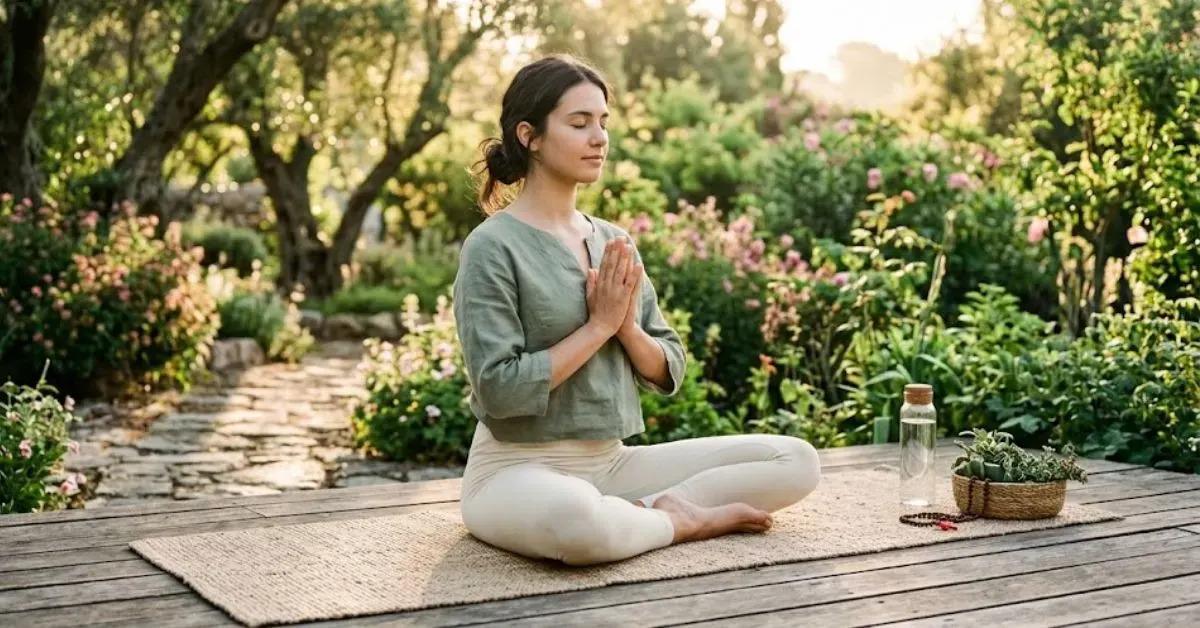
In today’s busy and stressful world, more people are searching for ways to create balance, peace, and wellness in their lives. Yoga has become one of the most effective practices for achieving physical health, mental clarity, and spiritual growth. Among the many styles and philosophies of yoga, sattva yoga stands out as a deeply transformative and holistic approach that goes beyond physical exercise. It is not just about postures or flexibility; it is a complete lifestyle that focuses on harmony, purity, consciousness, and inner awakening.
The word “Sattva” comes from ancient Sanskrit and represents purity, balance, peace, wisdom, and positive energy. In yogic philosophy, sattva is considered one of the three gunas or qualities of nature, alongside rajas (activity and restlessness) and tamas (inertia and darkness). When sattva dominates the mind and body, a person experiences calmness, clarity, compassion, and spiritual awareness.
Sattva yoga combines traditional yogic wisdom, meditation, breathwork, mindfulness, and conscious living practices to help individuals reconnect with their true selves. Whether you are a beginner or an experienced yoga practitioner, this path offers profound benefits for physical, emotional, and spiritual well-being.
Understanding the Meaning of Sattva
To fully appreciate the philosophy of sattva yoga, it is important to understand the concept of sattva itself. In yogic and Ayurvedic teachings, sattva represents purity and harmony. A sattvic state of mind is peaceful, balanced, and free from negativity.
People with strong sattvic qualities often display:
-
Mental clarity
-
Inner peace
-
Compassion
-
Patience
-
Wisdom
-
Positive thinking
-
Emotional stability
The goal of yoga is not only to strengthen the body but also to cultivate a sattvic lifestyle that supports spiritual evolution and self-awareness.
Unlike modern fitness-focused yoga practices, sattva yoga emphasizes inner transformation and conscious living.
The Philosophy Behind Sattva Yoga
The philosophy of sattva yoga is rooted in ancient yogic traditions and spiritual teachings. It integrates physical movement with deeper spiritual practices to create a balanced and meaningful life.
This approach focuses on:
-
Self-awareness
-
Meditation
-
Breath control
-
Yogic ethics
-
Mindfulness
-
Conscious nutrition
-
Spiritual growth
Sattva yoga teaches that true happiness and fulfillment come from within, not from external achievements or material possessions.
By practicing yoga with awareness and intention, individuals can gradually release stress, negative emotions, and mental distractions while developing a deeper connection with themselves.
The Core Elements of Sattva Yoga
Yoga Asanas
Physical postures, or asanas, are an important aspect of sattva yoga. However, unlike aggressive or competitive styles, the focus is not solely on physical performance.
The movements are practiced mindfully to create balance between body and mind. Yoga asanas improve flexibility, strength, posture, and energy flow while calming the nervous system.
Common postures practiced in sattva yoga include:
-
Surya Namaskar (Sun Salutation)
-
Tadasana (Mountain Pose)
-
Bhujangasana (Cobra Pose)
-
Vrikshasana (Tree Pose)
-
Balasana (Child’s Pose)
-
Padmasana (Lotus Pose)
Each posture is approached with awareness, breath synchronization, and mindfulness.
Meditation and Mindfulness
Meditation is one of the most important components of sattva yoga. Daily meditation helps quiet the mind, reduce stress, and increase inner awareness.
There are several meditation techniques commonly practiced, including:
-
Breath awareness meditation
-
Guided meditation
-
Chakra meditation
-
Mantra meditation
-
Silent mindfulness meditation
Meditation allows individuals to observe their thoughts without attachment and cultivate emotional balance.
Over time, practitioners experience greater peace, clarity, and self-understanding.
Pranayama and Breathwork
Pranayama, or yogic breathing techniques, plays a significant role in sattva yoga practice. Breath is considered the bridge between body and mind.
By controlling the breath, practitioners can influence their energy levels, emotions, and mental state.
Popular pranayama techniques include:
-
Nadi Shodhana
-
Kapalabhati
-
Bhastrika
-
Ujjayi breathing
-
Bhramari
Regular pranayama practice improves lung function, reduces anxiety, increases focus, and enhances vitality.
Sattvic Lifestyle and Diet
One of the unique aspects of sattva yoga is the emphasis on living a sattvic lifestyle. This includes not only yoga practice but also mindful eating, ethical living, and positive habits.
Sattvic Diet
A sattvic diet is clean, fresh, and nourishing. It supports both physical health and mental clarity.
Foods commonly included in a sattvic diet are:
-
Fresh fruits
-
Vegetables
-
Whole grains
-
Nuts and seeds
-
Herbal teas
-
Dairy products in moderation
-
Natural and organic foods
Foods that are excessively processed, stale, overly spicy, or intoxicating are generally avoided because they disturb mental balance.
Eating sattvic food helps maintain calmness, focus, and positive energy.
Spiritual Growth Through Sattva Yoga
One of the deepest purposes of sattva yoga is spiritual awakening and self-realization.
Modern life often causes people to become disconnected from themselves due to stress, distractions, and material pressures. Sattva yoga creates space for introspection, self-discovery, and spiritual understanding.
Practitioners gradually develop:
-
Greater awareness
-
Emotional healing
-
Compassion
-
Gratitude
-
Connection with nature
-
Inner fulfillment
Spiritual growth in sattva yoga is not tied to any religion. Instead, it focuses on universal values such as love, peace, kindness, and consciousness.
Physical Benefits of Sattva Yoga
Although sattva yoga emphasizes spiritual and mental wellness, it also provides many physical health benefits.
Improved Flexibility and Strength
Regular practice strengthens muscles and improves joint mobility, helping the body remain healthy and active.
Better Posture
Yoga postures correct body alignment and reduce strain caused by long hours of sitting or poor posture.
Increased Energy
Pranayama and mindful movement increase oxygen flow and vitality, leading to higher energy levels throughout the day.
Enhanced Immunity
A calm nervous system and healthy lifestyle support a stronger immune system and overall wellness.
Improved Sleep
Meditation and relaxation techniques help reduce stress and improve sleep quality naturally.
Mental and Emotional Benefits
Modern lifestyles often contribute to anxiety, depression, and emotional exhaustion. Sattva yoga provides powerful tools for mental and emotional healing.
Stress Reduction
Meditation, breathwork, and mindful movement calm the nervous system and lower stress hormones.
Emotional Balance
Practicing awareness helps individuals respond to situations calmly rather than reacting emotionally.
Increased Focus
Mindfulness and concentration practices improve mental clarity and productivity.
Positive Thinking
A sattvic lifestyle encourages optimism, gratitude, and self-compassion.
Inner Peace
Perhaps the greatest benefit of sattva yoga is the deep sense of inner calm and contentment it creates.
Sattva Yoga and Modern Life
One reason sattva yoga is becoming increasingly popular is because it addresses the challenges of modern living.
Many people today struggle with:
-
Digital overload
-
Work stress
-
Anxiety
-
Sleep problems
-
Emotional burnout
-
Lack of purpose
Sattva yoga offers practical solutions through conscious breathing, mindful living, healthy habits, and self-reflection.
Even practicing for a short time each day can create positive changes in physical health and emotional well-being.
Retreats and Teacher Training Programs
Many people choose to deepen their understanding of sattva yoga by attending retreats or yoga teacher training programs in spiritual destinations like Rishikesh, India.
These programs often include:
-
Daily yoga classes
-
Meditation sessions
-
Yogic philosophy
-
Ayurveda workshops
-
Silent reflection
-
Nature excursions
-
Spiritual ceremonies
Retreats provide an opportunity to disconnect from daily distractions and fully immerse in yogic living.
Teacher training programs help individuals not only become certified instructors but also experience personal transformation.
Sattva Yoga for Beginners
One of the best things about sattva yoga is that it is suitable for everyone regardless of age or fitness level.
Beginners can start with simple practices such as:
-
Gentle stretching
-
Basic breathing exercises
-
Short meditation sessions
-
Mindful eating habits
The journey is not about perfection or competition. It is about self-awareness and gradual growth.
With consistency and patience, anyone can experience the benefits of a sattvic lifestyle.
How to Practice Sattva Yoga Daily
Incorporating sattva yoga into daily life does not require drastic changes. Small mindful habits can make a significant difference.
Simple Daily Practices
-
Wake up early
-
Practice gratitude
-
Spend time in nature
-
Eat fresh and healthy food
-
Meditate daily
-
Practice conscious breathing
-
Limit negative influences
-
Maintain positive thoughts
These practices help cultivate peace, clarity, and balance in everyday life.
Conclusion
Sattva yoga is much more than a physical exercise routine. It is a complete path toward inner peace, self-awareness, and holistic well-being. By combining yoga postures, meditation, breathwork, mindfulness, and conscious living, sattva yoga helps individuals create harmony between body, mind, and spirit.
In a world filled with stress, distractions, and emotional challenges, this ancient yogic approach offers a powerful way to reconnect with oneself and live with greater clarity and purpose.
Whether you are looking to improve your health, reduce stress, deepen your spiritual practice, or simply bring more balance into your life, sattva yoga provides timeless wisdom and practical tools for transformation.
With regular practice and an open heart, the journey of sattva yoga can lead to lasting peace, happiness, and inner fulfillment.

 English
 Arabic
 French
 Spanish
 Portuguese
 Deutsch
 Dutch
Dutch
 Italiano
 Russian
 Romaian
 Portuguese (Brazil)
 Greek
Greek