

What Is 57 Rock? Understanding Crusher Run vs 57 Stone for Driveways and Construction
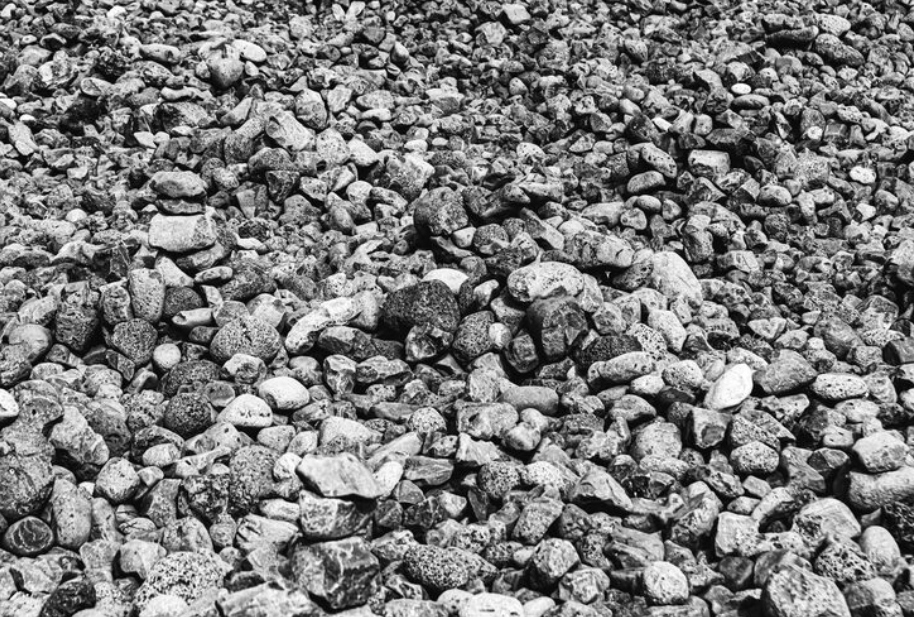
When working on driveways, drainage systems, or construction projects, choosing the right type of gravel matters more than many people realize. Two of the most commonly compared materials are crusher run and 57 stone. Homeowners, contractors, and builders often search for what is 57 rock to understand how it performs and whether it’s the right fit for their project.
At the same time, another common question is the difference between these two materials, often framed as crusher run vs 57 stone. While both come from crushed limestone or similar aggregate sources, they behave very differently in terms of compaction, drainage, and long-term stability.
This article breaks down everything you need to know in simple terms so you can confidently choose the right material.
What Is 57 Rock?
To answer the question what is 57 rock, it helps to understand how stone is classified. “57 rock” (also called #57 stone) refers to a specific size of crushed aggregate that typically ranges from about ¾ inch to 1 inch in diameter. It is made by crushing larger stones and screening them to achieve a uniform size.
The defining characteristic of 57 stone is that it is clean and angular. That means it contains very little fine dust or stone powder, which allows water to pass through easily. Because of this property, 57 rock is widely used in drainage applications.
When people ask what is 57 rock, the simplest explanation is that it is a clean, single-size crushed stone designed for water flow and structural support rather than compaction.
Common Uses of 57 Rock
- French drains and drainage systems
- Pipe bedding and utility projects
- Septic system drain fields
- Landscaping and decorative ground cover
- Behind retaining walls for drainage relief
Because it does not compact tightly, 57 rock is not usually used as a top driveway surface on its own. Instead, it is often used beneath or around structures where water movement is important.
Crusher Run vs 57 Stone: Key Differences
One of the most common comparisons in construction material selection is crusher run vs 57 stone. While both come from the same general source—crushed rock—their size, texture, and performance are very different.
Crusher Run Overview
Crusher run is a mixture of crushed stone and stone dust. It typically contains everything from fine powder up to about ¾ inch stone. This combination allows the material to compact tightly when installed and rolled.
Because of the fine particles, crusher run locks together extremely well, creating a hard, stable surface. This makes it ideal for structural base layers.
57 Stone Overview
As discussed earlier, 57 stone is uniform in size and does not contain fine dust. This means it does not compact the same way crusher run does. Instead, it creates air gaps that allow water to flow through freely.
The Main Difference
When comparing crusher run vs 57 stone, the key difference comes down to compaction versus drainage:
- Crusher run = compacts tightly, forms a solid base
- 57 stone = stays loose, promotes drainage
This difference determines how each material should be used in construction.
Performance Comparison in Real Applications
Understanding crusher run vs 57 stone in practical use helps clarify when to choose each material.
1. Driveways and Roads
Crusher run is the preferred base material for gravel driveways. It forms a strong, stable surface that can handle vehicle weight without shifting excessively. Once compacted, it creates a semi-solid driving surface that resists rutting.
57 stone, on the other hand, is not suitable as a top layer for driveways. Because it does not lock together, vehicles can cause it to shift and separate over time.
2. Drainage Projects
This is where 57 stone excels. Its clean, open structure allows water to pass through easily. In drainage systems, the goal is to move water away from structures quickly, and this material performs extremely well in that role.
Crusher run is not ideal for drainage because the fine particles can restrict water flow.
3. Stability and Load-Bearing
In terms of structural strength, crusher run is the clear winner. When discussing crusher run vs 57 stone, crusher run is almost always chosen for load-bearing bases such as:
- Driveways
- Foundations
- Walkways
- Parking areas
57 stone is better suited for non-load-bearing or drainage-focused layers.
When to Use Crusher Run
Crusher run is best used when stability is the top priority. It compacts into a firm base that can support heavy loads and resist erosion.
Typical applications include:
- Base layer under asphalt or concrete
- Gravel driveway foundations
- Road construction sub-base
- Shed pads and small foundations
In the debate of crusher run vs 57 stone, crusher run is the go-to choice when you need a strong foundation that holds its shape over time.
When to Use 57 Stone
If your project involves water management, 57 stone is often the better option. Its ability to drain freely makes it essential in many construction and landscaping applications.
Common uses include:
- Drainage trenches
- French drains
- Around perforated pipes
- Behind retaining walls
- Erosion control zones
When homeowners first learn what is 57 rock, they often realize it is not meant for surface strength but rather for managing water flow effectively.
Can They Be Used Together?
Yes, in many construction projects, crusher run and 57 stone are used together in layers.
A common setup might include:
- Crusher run as the compacted base layer
- 57 stone above or around drainage pipes
This combination provides both strength and drainage, which is often necessary for long-lasting driveway or foundation systems.
In fact, understanding crusher run vs 57 stone is most useful when you see how they complement each other rather than compete.
Which One Should You Choose?
Choosing between these materials depends entirely on your project goals.
- If you need strength, stability, and a solid surface → choose crusher run
- If you need drainage and water movement → choose 57 stone
When people search what is 57 rock, they are usually trying to determine whether it can replace crusher run. The answer is no—they serve different purposes.
Likewise, the comparison of crusher run vs 57 stone is not about which is better overall, but which is better for a specific job.
Final Thoughts
Both crusher run and 57 stone are essential materials in construction and landscaping, but they serve very different roles. Crusher run provides the strength and compaction needed for driveways and structural bases, while 57 stone delivers excellent drainage performance.
Understanding what is 57 rock helps you see why it is used in drainage systems rather than driving surfaces. Meanwhile, evaluating crusher run vs 57 stone gives you the clarity needed to build smarter, longer-lasting projects.
Choosing the right material from the start can save time, money, and future repairs—making this simple comparison an important step in any construction plan.

 Arabic
 French
 Spanish
 Portuguese
 Deutsch
 Turkish
 Dutch
Dutch
 Italiano
 Russian
 Romaian
 Portuguese (Brazil)
 Greek
Greek