The internet has become deeply connected to everyday life. People use smartphones and laptops for work, study, communication, shopping, entertainment, and social networking. While technology has made life easier in many ways, it has also created an environment where distractions are available every second.
Across India, especially in cities like Delhi, Mumbai, Bangalore, Hyderabad, Jaipur, and Pune, people spend several hours online daily. Notifications, social media feeds, short videos, and endless scrolling platforms continuously compete for attention.
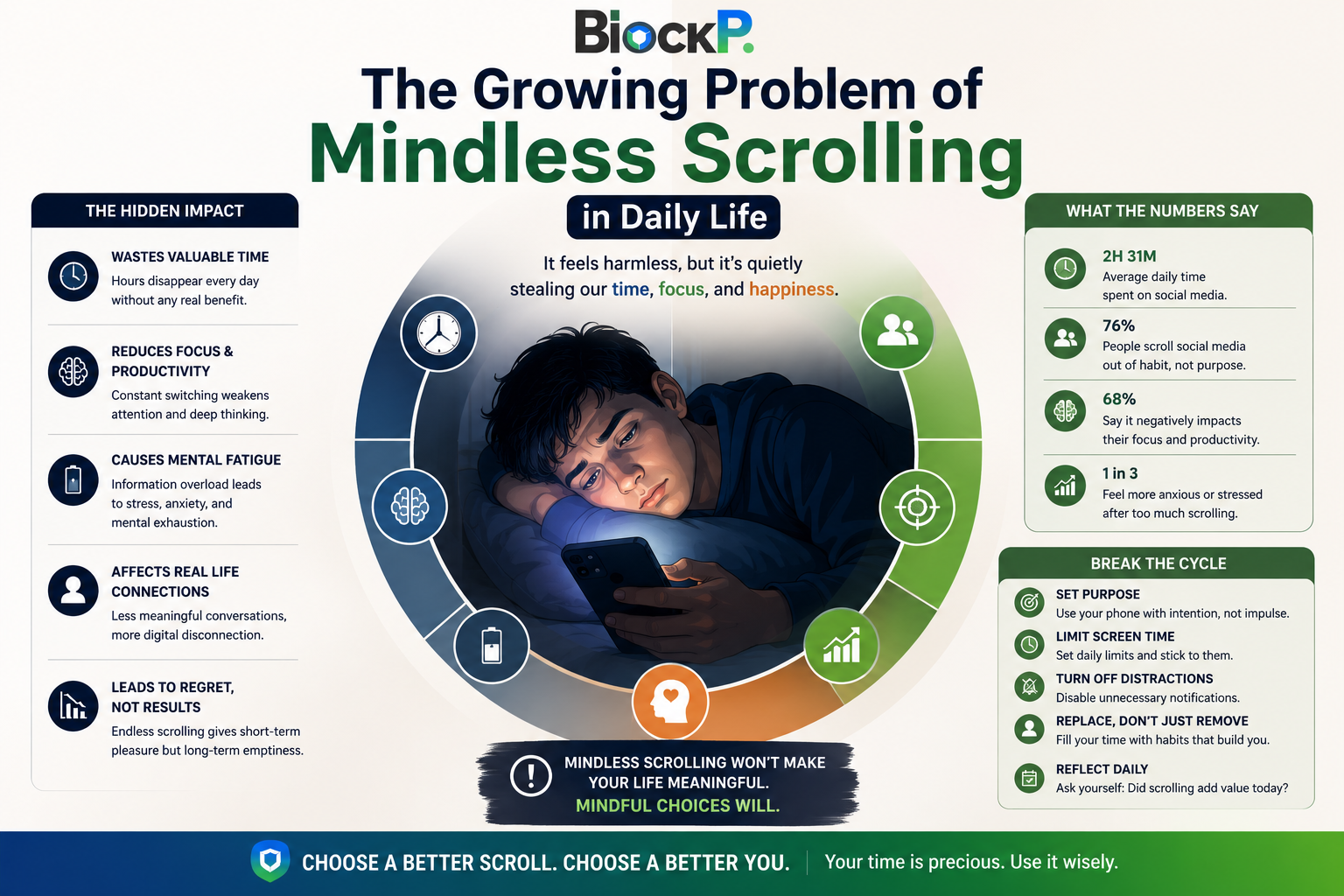
Many users now find it difficult to complete even simple tasks without checking their phones repeatedly. Over time, this habit slowly affects productivity, concentration, and mental clarity.
Why Digital Discipline Matters Today
Digital discipline means using technology intentionally instead of allowing online platforms to control attention and daily routines.
Without proper digital discipline, many people experience:
- Constant app switching
- Reduced concentration
- Excessive screen usage
- Poor productivity
- Difficulty staying focused
- Mental exhaustion
Modern apps are designed to maximize engagement through:
- Infinite scrolling
- Auto-play videos
- Personalized recommendations
- Instant notifications
- Trending content feeds
These features encourage users to stay online longer than planned.
This is why building stronger digital habits has become increasingly important in modern life.
How Constant Online Distractions Affect the Brain
The human brain performs best when it can focus deeply on one task at a time. However, continuous digital interruptions force the brain to switch attention repeatedly throughout the day.
This constant attention shifting can:
- Reduce work efficiency
- Slow task completion
- Affect memory retention
- Increase mental fatigue
- Lower concentration quality
Even a short distraction may interrupt mental momentum for several minutes afterward.
As a result, many people feel mentally tired despite not completing enough meaningful work during the day.
Platforms like BlockP are helping users create healthier digital environments by reducing distraction-heavy browsing habits.
Why Students Are Struggling to Stay Consistent
Students preparing for competitive exams like UPSC, JEE, NEET, SSC, and banking exams often depend heavily on online learning.
Smartphones and laptops provide access to:
- Educational videos
- Online lectures
- Mock tests
- Study material
- PDFs and notes
However, these same devices also contain:
- Social media apps
- Entertainment platforms
- Gaming content
- Streaming services
- Messaging notifications
A student may begin studying seriously but quickly lose focus after opening unrelated content.
This issue is especially common in education-focused cities like Kota, Jaipur, Delhi, and Lucknow where online preparation has become highly popular.
Reducing digital distractions can significantly improve concentration and study consistency.
The Connection Between Screen Time and Mental Fatigue
Continuous exposure to online content creates cognitive overload. The brain constantly processes:
- Videos
- Messages
- Notifications
- Advertisements
- Social media feeds
- Trending online content
without enough recovery time.
Over time, this may lead to:
- Stress and anxiety
- Mental exhaustion
- Reduced motivation
- Poor concentration
- Lack of mental clarity
Many users feel mentally drained because their attention remains fragmented throughout the day.
Creating healthier digital boundaries is becoming essential for both productivity and mental balance.
Why Motivation Alone Often Fails
Many people try to improve focus using:
- Motivation videos
- Strict schedules
- Productivity hacks
- Time-management techniques
- Self-discipline routines
While these methods may help temporarily, they often fail because distractions remain constantly accessible.
When entertainment apps and endless online content are always available, resisting them repeatedly becomes mentally exhausting.
This is why tools like BlockP are becoming increasingly useful for users who want to improve digital discipline and reduce unnecessary distractions naturally.
Digital Discipline vs Uncontrolled Screen Habits
| Uncontrolled Digital Habits |
Healthy Digital Discipline |
| Endless scrolling |
Purpose-driven browsing |
| Frequent notification checking |
Controlled screen routines |
| Constant multitasking |
Deep focus sessions |
| Random content consumption |
Intentional internet usage |
| Late-night scrolling |
Balanced online habits |
Small improvements in digital behavior can create major long-term benefits for productivity and concentration.
How BlockP Supports Better Focus
Tools like BlockP help users create healthier online routines by reducing distraction-heavy content and supporting better attention control.
Instead of constantly fighting impulsive browsing urges, users can:
- Improve concentration naturally
- Reduce unnecessary screen usage
- Stay productive longer
- Build stronger focus habits
- Maintain healthier digital routines
This helps users regain better control over how they spend time online every day.
Final Thoughts
Technology has transformed modern life, but uncontrolled digital habits can slowly reduce productivity, focus, and mental clarity. Constant online distractions are making deep concentration increasingly difficult for students and professionals alike.
Tools like BlockP help users create healthier digital environments by reducing distractions and supporting stronger focus habits. In today’s highly connected world, digital discipline is becoming one of the most important skills for long-term productivity, learning, and personal growth.



 English
 Arabic
 French
 Spanish
 Portuguese
 Deutsch
 Turkish
 Dutch
Dutch
 Italiano
 Russian
 Romaian
 Portuguese (Brazil)