• Long-Term Price Trend and Market Insights for Monoisopropylamine: Comprehensive Review of Economic, Industry, and Trade Influencers

    The monoisopropylamine price trend has shown noticeable movement over the past few years as market conditions, supply chains, and industrial demand continue to shift. Monoisopropylamine is widely used in pharmaceuticals, agrochemicals, coatings, and specialty chemical manufacturing, making its pricing sensitive to both raw material costs and downstream industry performance. Because it sits in the middle of several important production chains, even small changes in related markets can influence its price direction.
    In general, prices of monoisopropylamine do not remain static for long. Instead, they react to broader economic conditions, energy costs, and manufacturing output levels. This makes tracking its price trend important for buyers, suppliers, and businesses planning long-term procurement strategies.

    Please Submit Your Query for Monoisopropylamine Price Trend, demand-supply, suppliers, market analysis:https://www.price-watch.ai/book-a-demo/

    Key Factors Influencing Monoisopropylamine Prices

    One of the biggest drivers of monoisopropylamine price trends is the cost of raw materials. Since the production process relies on basic petrochemical derivatives, any rise in crude oil or feedstock prices tends to push production costs higher. When manufacturers face higher input expenses, these costs are often reflected in the market price of monoisopropylamine.
    Energy prices also play a major role. Chemical manufacturing is energy-intensive, so fluctuations in electricity, natural gas, or fuel prices can directly impact overall production expenses. During periods of high energy costs, suppliers may adjust prices upward to maintain profitability.
    Another important factor is supply availability. When production plants face shutdowns due to maintenance, environmental regulations, or unexpected disruptions, supply tightens. Reduced availability often leads to temporary price increases, especially when demand remains steady.

    Demand Patterns and Market Behavior

    Demand trends strongly influence the monoisopropylamine price trend. Industries such as pharmaceuticals and agrochemicals often show seasonal or cyclical demand patterns. During peak production periods, especially in agricultural seasons, demand for monoisopropylamine can rise, placing upward pressure on prices.
    On the other hand, when downstream industries slow down due to economic uncertainty or reduced consumer spending, demand weakens. In such cases, suppliers may lower prices or offer competitive deals to maintain sales volumes. This push and pull between demand and supply creates frequent short-term price adjustments.
    Export and import activity also affects pricing behavior. Regions that depend heavily on imports may experience sharper price swings if global logistics face disruptions or if currency values change significantly.

    Regional Trends in Monoisopropylamine Pricing

    Monoisopropylamine price trends can vary from one region to another. In areas with strong domestic production capacity, prices tend to be more stable because local supply can quickly respond to demand changes. However, in regions that rely on imports, prices are more sensitive to freight costs, port congestion, and international trade conditions.

    Conclusion

    The monoisopropylamine price trend is shaped by a combination of raw material costs, energy prices, demand cycles, and global economic conditions. While short-term fluctuations are common, the long-term outlook points toward balanced growth supported by steady industrial demand. Keeping track of these trends helps businesses make informed purchasing decisions and manage cost risks effectively in an evolving chemical market.

    Please Submit Your Query for Monoisopropylamine Price Trend, demand-supply, suppliers, market analysis:https://www.price-watch.ai/book-a-demo/

    About Price Watch™ AI

    Price-Watch AI is an India-based, independent raw material price reporting agency that provides real-time price forecasts and data-driven insights into global raw material markets. Price-Watch AI specializes in tracking raw material prices, analyzing market trends, and delivering timely updates on plant shutdowns, supply disruptions, capacity expansions, and demand-supply dynamics. The Price-Watch AI platform empowers manufacturers, traders, and procurement professionals to make faster, smarter decisions. Leveraging AI-powered forecasting and over a decade of historical data, Price-Watch AI transforms market volatility into actionable opportunity.

    Futura Tech Park,
    C Block, 8th floor 334,
    Old Mahabalipuram Road,
    Sholinganallur, Chennai,
    Tamil Nadu, Pincode - 600119.

    LinkedIn: https://www.linkedin.com/company/price-watch-ai/
    Facebook: https://www.facebook.com/people/Price-Watch/61568490385598/
    Twitter: https://x.com/pricewatchai
    Website: https://www.price-watch.ai/

    Long-Term Price Trend and Market Insights for Monoisopropylamine: Comprehensive Review of Economic, Industry, and Trade Influencers The monoisopropylamine price trend has shown noticeable movement over the past few years as market conditions, supply chains, and industrial demand continue to shift. Monoisopropylamine is widely used in pharmaceuticals, agrochemicals, coatings, and specialty chemical manufacturing, making its pricing sensitive to both raw material costs and downstream industry performance. Because it sits in the middle of several important production chains, even small changes in related markets can influence its price direction. In general, prices of monoisopropylamine do not remain static for long. Instead, they react to broader economic conditions, energy costs, and manufacturing output levels. This makes tracking its price trend important for buyers, suppliers, and businesses planning long-term procurement strategies. 👉 👉 👉 Please Submit Your Query for Monoisopropylamine Price Trend, demand-supply, suppliers, market analysis:https://www.price-watch.ai/book-a-demo/ Key Factors Influencing Monoisopropylamine Prices One of the biggest drivers of monoisopropylamine price trends is the cost of raw materials. Since the production process relies on basic petrochemical derivatives, any rise in crude oil or feedstock prices tends to push production costs higher. When manufacturers face higher input expenses, these costs are often reflected in the market price of monoisopropylamine. Energy prices also play a major role. Chemical manufacturing is energy-intensive, so fluctuations in electricity, natural gas, or fuel prices can directly impact overall production expenses. During periods of high energy costs, suppliers may adjust prices upward to maintain profitability. Another important factor is supply availability. When production plants face shutdowns due to maintenance, environmental regulations, or unexpected disruptions, supply tightens. Reduced availability often leads to temporary price increases, especially when demand remains steady. Demand Patterns and Market Behavior Demand trends strongly influence the monoisopropylamine price trend. Industries such as pharmaceuticals and agrochemicals often show seasonal or cyclical demand patterns. During peak production periods, especially in agricultural seasons, demand for monoisopropylamine can rise, placing upward pressure on prices. On the other hand, when downstream industries slow down due to economic uncertainty or reduced consumer spending, demand weakens. In such cases, suppliers may lower prices or offer competitive deals to maintain sales volumes. This push and pull between demand and supply creates frequent short-term price adjustments. Export and import activity also affects pricing behavior. Regions that depend heavily on imports may experience sharper price swings if global logistics face disruptions or if currency values change significantly. Regional Trends in Monoisopropylamine Pricing Monoisopropylamine price trends can vary from one region to another. In areas with strong domestic production capacity, prices tend to be more stable because local supply can quickly respond to demand changes. However, in regions that rely on imports, prices are more sensitive to freight costs, port congestion, and international trade conditions. Conclusion The monoisopropylamine price trend is shaped by a combination of raw material costs, energy prices, demand cycles, and global economic conditions. While short-term fluctuations are common, the long-term outlook points toward balanced growth supported by steady industrial demand. Keeping track of these trends helps businesses make informed purchasing decisions and manage cost risks effectively in an evolving chemical market. 👉 👉 👉 Please Submit Your Query for Monoisopropylamine Price Trend, demand-supply, suppliers, market analysis:https://www.price-watch.ai/book-a-demo/ About Price Watch™ AI Price-Watch AI is an India-based, independent raw material price reporting agency that provides real-time price forecasts and data-driven insights into global raw material markets. Price-Watch AI specializes in tracking raw material prices, analyzing market trends, and delivering timely updates on plant shutdowns, supply disruptions, capacity expansions, and demand-supply dynamics. The Price-Watch AI platform empowers manufacturers, traders, and procurement professionals to make faster, smarter decisions. Leveraging AI-powered forecasting and over a decade of historical data, Price-Watch AI transforms market volatility into actionable opportunity. Futura Tech Park, C Block, 8th floor 334, Old Mahabalipuram Road, Sholinganallur, Chennai, Tamil Nadu, Pincode - 600119. LinkedIn: https://www.linkedin.com/company/price-watch-ai/ Facebook: https://www.facebook.com/people/Price-Watch/61568490385598/ Twitter: https://x.com/pricewatchai Website: https://www.price-watch.ai/

    0 Comments 0 Shares 57 Views 0 Reviews
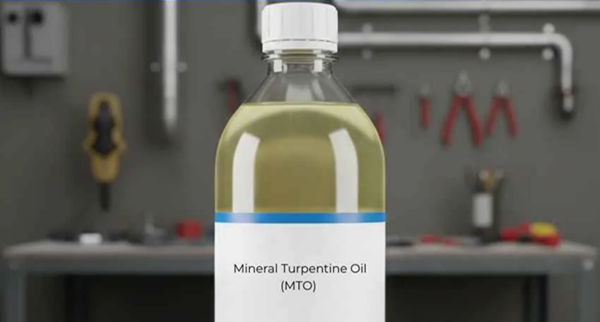
  • Mineral Turpentine Oil Price Trend Analysis Across Global Markets: Production Costs, Demand Trends, Import–Export Scenario, and Future Projections

    Mineral Turpentine Oil Price Trend often called MTO, is a widely used petroleum-based solvent known for its strong cleaning and thinning properties. It is commonly used in paints, varnishes, coatings, printing inks, and industrial cleaning applications. Because it connects directly with construction, manufacturing, and automotive sectors, the Mineral Turpentine Oil price trend is closely watched by buyers, suppliers, and industry professionals. Any movement in its price often reflects broader economic and industrial activity, making it an important indicator in the chemical and energy-linked markets.

    Please Submit Your Query for Mineral Turpentine Oil Price Trend, demand-supply, suppliers, market analysis:https://www.price-watch.ai/book-a-demo/

    Understanding the Basics of Mineral Turpentine Oil Price Trend

    The Mineral Turpentine Oil price trend generally follows the direction of crude oil and refined petroleum products. Since MTO is derived from petroleum fractions, changes in raw material costs directly impact its pricing. When crude oil prices rise, production costs increase, which often leads to higher Mineral Turpentine Oil prices. On the other hand, when crude oil prices soften, MTO prices tend to stabilize or decline. However, this relationship is not always immediate, as other factors like demand cycles and inventory levels also play an important role.

    Role of Supply and Production Factors

    Supply-side conditions significantly shape the Mineral Turpentine Oil price trend. Refineries control the output of MTO based on overall fuel demand and refinery margins. If refineries focus more on high-demand fuels such as diesel or gasoline, the supply of Mineral Turpentine Oil may tighten, leading to price pressure. Maintenance shutdowns, operational disruptions, or regulatory changes can also restrict supply. When supply becomes limited while demand remains steady, prices often move upward even if crude oil prices are stable.

    Demand Patterns Across Key Industries

    Demand is another strong influence on the Mineral Turpentine Oil price trend. Construction and infrastructure development drive a large portion of MTO consumption due to its use in paints and coatings. During periods of strong construction activity, demand rises, pushing prices higher. Similarly, growth in manufacturing, furniture production, and automotive refinishing increases MTO usage. In contrast, economic slowdowns, reduced building activity, or lower industrial output can weaken demand, resulting in softer price movements.

    Conclusion

    The Mineral Turpentine Oil price trend is shaped by a combination of raw material costs, supply conditions, demand cycles, and broader economic factors. Its close link to crude oil prices makes it sensitive to global energy movements, while industrial activity determines real consumption levels. By understanding these everyday market forces, buyers and industry participants can better anticipate price changes and make informed decisions. As long as construction and manufacturing remain active, Mineral Turpentine Oil will continue to play a vital role in the industrial landscape, with its price trend reflecting the rhythm of the global economy.

    Please Submit Your Query for Mineral Turpentine Oil Price Trend, demand-supply, suppliers, market analysis:https://www.price-watch.ai/book-a-demo/

    About Price Watch™ AI

    Price-Watch AI is an India-based, independent raw material price reporting agency that provides real-time price forecasts and data-driven insights into global raw material markets. Price-Watch AI specializes in tracking raw material prices, analyzing market trends, and delivering timely updates on plant shutdowns, supply disruptions, capacity expansions, and demand-supply dynamics. The Price-Watch AI platform empowers manufacturers, traders, and procurement professionals to make faster, smarter decisions. Leveraging AI-powered forecasting and over a decade of historical data, Price-Watch AI transforms market volatility into actionable opportunity.

    Futura Tech Park,
    C Block, 8th floor 334,
    Old Mahabalipuram Road,
    Sholinganallur, Chennai,
    Tamil Nadu, Pincode - 600119.

    LinkedIn: https://www.linkedin.com/company/price-watch-ai/
    Facebook: https://www.facebook.com/people/Price-Watch/61568490385598/
    Twitter: https://x.com/pricewatchai
    Website: https://www.price-watch.ai/

    Mineral Turpentine Oil Price Trend Analysis Across Global Markets: Production Costs, Demand Trends, Import–Export Scenario, and Future Projections Mineral Turpentine Oil Price Trend often called MTO, is a widely used petroleum-based solvent known for its strong cleaning and thinning properties. It is commonly used in paints, varnishes, coatings, printing inks, and industrial cleaning applications. Because it connects directly with construction, manufacturing, and automotive sectors, the Mineral Turpentine Oil price trend is closely watched by buyers, suppliers, and industry professionals. Any movement in its price often reflects broader economic and industrial activity, making it an important indicator in the chemical and energy-linked markets. 👉 👉 👉 Please Submit Your Query for Mineral Turpentine Oil Price Trend, demand-supply, suppliers, market analysis:https://www.price-watch.ai/book-a-demo/ Understanding the Basics of Mineral Turpentine Oil Price Trend The Mineral Turpentine Oil price trend generally follows the direction of crude oil and refined petroleum products. Since MTO is derived from petroleum fractions, changes in raw material costs directly impact its pricing. When crude oil prices rise, production costs increase, which often leads to higher Mineral Turpentine Oil prices. On the other hand, when crude oil prices soften, MTO prices tend to stabilize or decline. However, this relationship is not always immediate, as other factors like demand cycles and inventory levels also play an important role. Role of Supply and Production Factors Supply-side conditions significantly shape the Mineral Turpentine Oil price trend. Refineries control the output of MTO based on overall fuel demand and refinery margins. If refineries focus more on high-demand fuels such as diesel or gasoline, the supply of Mineral Turpentine Oil may tighten, leading to price pressure. Maintenance shutdowns, operational disruptions, or regulatory changes can also restrict supply. When supply becomes limited while demand remains steady, prices often move upward even if crude oil prices are stable. Demand Patterns Across Key Industries Demand is another strong influence on the Mineral Turpentine Oil price trend. Construction and infrastructure development drive a large portion of MTO consumption due to its use in paints and coatings. During periods of strong construction activity, demand rises, pushing prices higher. Similarly, growth in manufacturing, furniture production, and automotive refinishing increases MTO usage. In contrast, economic slowdowns, reduced building activity, or lower industrial output can weaken demand, resulting in softer price movements. Conclusion The Mineral Turpentine Oil price trend is shaped by a combination of raw material costs, supply conditions, demand cycles, and broader economic factors. Its close link to crude oil prices makes it sensitive to global energy movements, while industrial activity determines real consumption levels. By understanding these everyday market forces, buyers and industry participants can better anticipate price changes and make informed decisions. As long as construction and manufacturing remain active, Mineral Turpentine Oil will continue to play a vital role in the industrial landscape, with its price trend reflecting the rhythm of the global economy. 👉 👉 👉 Please Submit Your Query for Mineral Turpentine Oil Price Trend, demand-supply, suppliers, market analysis:https://www.price-watch.ai/book-a-demo/ About Price Watch™ AI Price-Watch AI is an India-based, independent raw material price reporting agency that provides real-time price forecasts and data-driven insights into global raw material markets. Price-Watch AI specializes in tracking raw material prices, analyzing market trends, and delivering timely updates on plant shutdowns, supply disruptions, capacity expansions, and demand-supply dynamics. The Price-Watch AI platform empowers manufacturers, traders, and procurement professionals to make faster, smarter decisions. Leveraging AI-powered forecasting and over a decade of historical data, Price-Watch AI transforms market volatility into actionable opportunity. Futura Tech Park, C Block, 8th floor 334, Old Mahabalipuram Road, Sholinganallur, Chennai, Tamil Nadu, Pincode - 600119. LinkedIn: https://www.linkedin.com/company/price-watch-ai/ Facebook: https://www.facebook.com/people/Price-Watch/61568490385598/ Twitter: https://x.com/pricewatchai Website: https://www.price-watch.ai/

    0 Comments 0 Shares 139 Views 0 Reviews
  • Detailed Price Trend Report on Methyl N-propyl Ketone: Historical Patterns, Influencing Factors, and Future Projections in the Global Chemical Market

    Methyl N-propyl Ketone Price Trend is a specialty solvent that is mainly used in coatings, inks, adhesives, and some chemical processing applications. While it is not as widely known as some common industrial solvents, it still plays an important role in several manufacturing chains. Because of its niche usage, the price of Methyl N-propyl Ketone often shows trends that are closely linked to raw material availability, production costs, and overall industrial demand rather than mass consumer markets. Understanding its price trend helps buyers, traders, and manufacturers plan better and avoid sudden cost pressures.

    Please Submit Your Query for Methyl N-propyl Ketone Price Trend, demand-supply, suppliers, market analysis:https://www.price-watch.ai/book-a-demo/

    Raw Material Influence on Price Trend

    One of the biggest factors affecting the Methyl N-propyl Ketone price trend is the cost of its raw materials. The chemicals used to produce this ketone are usually derived from petrochemical sources. When crude oil prices rise, the impact slowly moves through the supply chain and shows up in higher production costs. On the other hand, when oil prices soften, manufacturers may get some relief, which can stabilize or slightly reduce prices. However, this change is not always immediate because producers often rely on long-term supply contracts and existing inventories before adjusting their prices.

    Manufacturing and Supply Dynamics

    Production capacity also plays a strong role in shaping the price trend. Since Methyl N-propyl Ketone is not produced in extremely large volumes, even small changes in plant operations can influence market availability. Maintenance shutdowns, technical issues, or capacity reductions can tighten supply and push prices upward. When plants operate smoothly and supply remains steady, prices usually move in a narrow range. New production units or capacity expansions can bring short-term price relief, but this depends on whether demand grows at the same pace.

    Demand from End-Use Industries

    Demand trends from key end-use industries strongly influence the Methyl N-propyl Ketone price trend. The coatings and paints sector is one of the major consumers, especially during periods of construction growth and industrial expansion. When construction activity increases, demand for coatings rises, which can support higher prices. Conversely, during slowdowns in construction or manufacturing, demand weakens and prices may soften. The printing ink and adhesive industries also contribute to demand, although their impact is more stable and gradual.

    Impact of Regional Market Conditions

    Prices of Methyl N-propyl Ketone can vary across regions depending on local supply, import dependence, and regulatory conditions. In regions with domestic production, prices tend to be more stable, supported by local supply chains. In import-dependent markets, prices can fluctuate more due to shipping costs, currency movements, and global supply conditions.

    Conclusion

    The Methyl N-propyl Ketone price trend is shaped by a mix of raw material costs, production dynamics, end-use demand, and regional factors. Unlike mass-market chemicals, its niche nature means that even small changes can have noticeable effects on prices. By understanding these basic drivers and watching market signals, businesses can better anticipate price movements and make informed purchasing decisions. Overall, the market tends to move steadily, guided more by industrial fundamentals than sudden speculation.

    Please Submit Your Query for Methyl N-propyl Ketone Price Trend, demand-supply, suppliers, market analysis:https://www.price-watch.ai/book-a-demo/

    About Price Watch™ AI

    Price-Watch AI is an India-based, independent raw material price reporting agency that provides real-time price forecasts and data-driven insights into global raw material markets. Price-Watch AI specializes in tracking raw material prices, analyzing market trends, and delivering timely updates on plant shutdowns, supply disruptions, capacity expansions, and demand-supply dynamics. The Price-Watch AI platform empowers manufacturers, traders, and procurement professionals to make faster, smarter decisions. Leveraging AI-powered forecasting and over a decade of historical data, Price-Watch AI transforms market volatility into actionable opportunity.

    Futura Tech Park,
    C Block, 8th floor 334,
    Old Mahabalipuram Road,
    Sholinganallur, Chennai,
    Tamil Nadu, Pincode - 600119.

    LinkedIn: https://www.linkedin.com/company/price-watch-ai/
    Facebook: https://www.facebook.com/people/Price-Watch/61568490385598/
    Twitter: https://x.com/pricewatchai
    Website: https://www.price-watch.ai/

    Detailed Price Trend Report on Methyl N-propyl Ketone: Historical Patterns, Influencing Factors, and Future Projections in the Global Chemical Market Methyl N-propyl Ketone Price Trend is a specialty solvent that is mainly used in coatings, inks, adhesives, and some chemical processing applications. While it is not as widely known as some common industrial solvents, it still plays an important role in several manufacturing chains. Because of its niche usage, the price of Methyl N-propyl Ketone often shows trends that are closely linked to raw material availability, production costs, and overall industrial demand rather than mass consumer markets. Understanding its price trend helps buyers, traders, and manufacturers plan better and avoid sudden cost pressures. 👉 👉 👉 Please Submit Your Query for Methyl N-propyl Ketone Price Trend, demand-supply, suppliers, market analysis:https://www.price-watch.ai/book-a-demo/ Raw Material Influence on Price Trend One of the biggest factors affecting the Methyl N-propyl Ketone price trend is the cost of its raw materials. The chemicals used to produce this ketone are usually derived from petrochemical sources. When crude oil prices rise, the impact slowly moves through the supply chain and shows up in higher production costs. On the other hand, when oil prices soften, manufacturers may get some relief, which can stabilize or slightly reduce prices. However, this change is not always immediate because producers often rely on long-term supply contracts and existing inventories before adjusting their prices. Manufacturing and Supply Dynamics Production capacity also plays a strong role in shaping the price trend. Since Methyl N-propyl Ketone is not produced in extremely large volumes, even small changes in plant operations can influence market availability. Maintenance shutdowns, technical issues, or capacity reductions can tighten supply and push prices upward. When plants operate smoothly and supply remains steady, prices usually move in a narrow range. New production units or capacity expansions can bring short-term price relief, but this depends on whether demand grows at the same pace. Demand from End-Use Industries Demand trends from key end-use industries strongly influence the Methyl N-propyl Ketone price trend. The coatings and paints sector is one of the major consumers, especially during periods of construction growth and industrial expansion. When construction activity increases, demand for coatings rises, which can support higher prices. Conversely, during slowdowns in construction or manufacturing, demand weakens and prices may soften. The printing ink and adhesive industries also contribute to demand, although their impact is more stable and gradual. Impact of Regional Market Conditions Prices of Methyl N-propyl Ketone can vary across regions depending on local supply, import dependence, and regulatory conditions. In regions with domestic production, prices tend to be more stable, supported by local supply chains. In import-dependent markets, prices can fluctuate more due to shipping costs, currency movements, and global supply conditions. Conclusion The Methyl N-propyl Ketone price trend is shaped by a mix of raw material costs, production dynamics, end-use demand, and regional factors. Unlike mass-market chemicals, its niche nature means that even small changes can have noticeable effects on prices. By understanding these basic drivers and watching market signals, businesses can better anticipate price movements and make informed purchasing decisions. Overall, the market tends to move steadily, guided more by industrial fundamentals than sudden speculation. 👉 👉 👉 Please Submit Your Query for Methyl N-propyl Ketone Price Trend, demand-supply, suppliers, market analysis:https://www.price-watch.ai/book-a-demo/ About Price Watch™ AI Price-Watch AI is an India-based, independent raw material price reporting agency that provides real-time price forecasts and data-driven insights into global raw material markets. Price-Watch AI specializes in tracking raw material prices, analyzing market trends, and delivering timely updates on plant shutdowns, supply disruptions, capacity expansions, and demand-supply dynamics. The Price-Watch AI platform empowers manufacturers, traders, and procurement professionals to make faster, smarter decisions. Leveraging AI-powered forecasting and over a decade of historical data, Price-Watch AI transforms market volatility into actionable opportunity. Futura Tech Park, C Block, 8th floor 334, Old Mahabalipuram Road, Sholinganallur, Chennai, Tamil Nadu, Pincode - 600119. LinkedIn: https://www.linkedin.com/company/price-watch-ai/ Facebook: https://www.facebook.com/people/Price-Watch/61568490385598/ Twitter: https://x.com/pricewatchai Website: https://www.price-watch.ai/
    0 Comments 0 Shares 93 Views 0 Reviews
  • Nonyl Phenol Pricing Trends and Market Forecast: An In-Depth Study of Price Fluctuations, Regional Variations, and Influencing Factors in Global Petrochemical Markets

    Nonyl phenol is a chemical that quietly supports many everyday industries. It is commonly used in the production of surfactants, resins, plastics, paints, and cleaning products. Because it sits at the base of so many supply chains, its price trend often reflects broader movements in the chemical and manufacturing sectors. When people talk about the Nonyl Phenol price trend, they are usually trying to understand how costs are shifting and what those changes might mean for future production and purchasing decisions.
    Over time, the price of nonyl phenol has shown a pattern of gradual movement rather than sudden shocks. This is mainly because it is a mature product with established uses and well-known production methods. Still, it is not immune to market forces, and even small changes in supply or demand can influence pricing.

    Please Submit Your Query for Nonyl Phenol Price Trend, demand-supply, suppliers, market analysis:https://www.price-watch.ai/book-a-demo/

    Key Factors Shaping Nonyl Phenol Price Trend

    The most important factor affecting the Nonyl Phenol price trend is the cost of raw materials. Nonyl phenol is derived from petrochemical sources, so prices often move in line with crude oil and related feedstocks. When oil prices rise, production costs increase, and manufacturers usually pass part of that increase on to buyers. When oil prices fall, the opposite effect is often seen, though price reductions may happen more slowly.
    Energy costs also play a strong role. Producing nonyl phenol requires energy-intensive processes, so changes in electricity and fuel prices can influence overall costs. In regions where energy prices are volatile, the local nonyl phenol market may experience more noticeable price swings.

    Demand Trends Across Industries

    Demand from end-use industries strongly shapes the Nonyl Phenol price trend. The chemical is widely used in industrial cleaning agents, textile processing, and plastic manufacturing. When these industries are performing well, demand for nonyl phenol usually increases, supporting higher prices. During economic slowdowns, demand can soften, putting pressure on prices.
    Seasonal demand patterns also have an effect. For example, industrial cleaning and agricultural activities may rise during certain times of the year, leading to short-term increases in consumption. These shifts may not drastically change long-term pricing, but they can create temporary movements that buyers and sellers pay close attention to.

    Environmental Regulations and Their Impact

    Environmental awareness has become an important influence on the Nonyl Phenol price trend. In several regions, regulations limit or control the use of nonyl phenol due to concerns about environmental and health effects. When new regulations are introduced, demand may decline in certain applications, which can soften prices.
    At the same time, compliance with environmental standards can raise production costs. Manufacturers may need to invest in cleaner technologies or additional safety measures, which can increase expenses. These higher costs can support prices even if overall demand growth slows. This balance between regulation-driven demand reduction and cost increases makes pricing behavior more complex.

    Please Submit Your Query for Nonyl Phenol Price Trend, demand-supply, suppliers, market analysis:https://www.price-watch.ai/book-a-demo/

    About Price Watch™ AI

    Price-Watch AI is an India-based, independent raw material price reporting agency that provides real-time price forecasts and data-driven insights into global raw material markets. Price-Watch AI specializes in tracking raw material prices, analyzing market trends, and delivering timely updates on plant shutdowns, supply disruptions, capacity expansions, and demand-supply dynamics. The Price-Watch AI platform empowers manufacturers, traders, and procurement professionals to make faster, smarter decisions. Leveraging AI-powered forecasting and over a decade of historical data, Price-Watch AI transforms market volatility into actionable opportunity.

    Futura Tech Park,
    C Block, 8th floor 334,
    Old Mahabalipuram Road,
    Sholinganallur, Chennai,
    Tamil Nadu, Pincode - 600119.

    LinkedIn: https://www.linkedin.com/company/price-watch-ai/
    Facebook: https://www.facebook.com/people/Price-Watch/61568490385598/
    Twitter: https://x.com/pricewatchai
    Website: https://www.price-watch.ai/

    Nonyl Phenol Pricing Trends and Market Forecast: An In-Depth Study of Price Fluctuations, Regional Variations, and Influencing Factors in Global Petrochemical Markets Nonyl phenol is a chemical that quietly supports many everyday industries. It is commonly used in the production of surfactants, resins, plastics, paints, and cleaning products. Because it sits at the base of so many supply chains, its price trend often reflects broader movements in the chemical and manufacturing sectors. When people talk about the Nonyl Phenol price trend, they are usually trying to understand how costs are shifting and what those changes might mean for future production and purchasing decisions. Over time, the price of nonyl phenol has shown a pattern of gradual movement rather than sudden shocks. This is mainly because it is a mature product with established uses and well-known production methods. Still, it is not immune to market forces, and even small changes in supply or demand can influence pricing. 👉 👉 👉 Please Submit Your Query for Nonyl Phenol Price Trend, demand-supply, suppliers, market analysis:https://www.price-watch.ai/book-a-demo/ Key Factors Shaping Nonyl Phenol Price Trend The most important factor affecting the Nonyl Phenol price trend is the cost of raw materials. Nonyl phenol is derived from petrochemical sources, so prices often move in line with crude oil and related feedstocks. When oil prices rise, production costs increase, and manufacturers usually pass part of that increase on to buyers. When oil prices fall, the opposite effect is often seen, though price reductions may happen more slowly. Energy costs also play a strong role. Producing nonyl phenol requires energy-intensive processes, so changes in electricity and fuel prices can influence overall costs. In regions where energy prices are volatile, the local nonyl phenol market may experience more noticeable price swings. Demand Trends Across Industries Demand from end-use industries strongly shapes the Nonyl Phenol price trend. The chemical is widely used in industrial cleaning agents, textile processing, and plastic manufacturing. When these industries are performing well, demand for nonyl phenol usually increases, supporting higher prices. During economic slowdowns, demand can soften, putting pressure on prices. Seasonal demand patterns also have an effect. For example, industrial cleaning and agricultural activities may rise during certain times of the year, leading to short-term increases in consumption. These shifts may not drastically change long-term pricing, but they can create temporary movements that buyers and sellers pay close attention to. Environmental Regulations and Their Impact Environmental awareness has become an important influence on the Nonyl Phenol price trend. In several regions, regulations limit or control the use of nonyl phenol due to concerns about environmental and health effects. When new regulations are introduced, demand may decline in certain applications, which can soften prices. At the same time, compliance with environmental standards can raise production costs. Manufacturers may need to invest in cleaner technologies or additional safety measures, which can increase expenses. These higher costs can support prices even if overall demand growth slows. This balance between regulation-driven demand reduction and cost increases makes pricing behavior more complex. 👉 👉 👉 Please Submit Your Query for Nonyl Phenol Price Trend, demand-supply, suppliers, market analysis:https://www.price-watch.ai/book-a-demo/ About Price Watch™ AI Price-Watch AI is an India-based, independent raw material price reporting agency that provides real-time price forecasts and data-driven insights into global raw material markets. Price-Watch AI specializes in tracking raw material prices, analyzing market trends, and delivering timely updates on plant shutdowns, supply disruptions, capacity expansions, and demand-supply dynamics. The Price-Watch AI platform empowers manufacturers, traders, and procurement professionals to make faster, smarter decisions. Leveraging AI-powered forecasting and over a decade of historical data, Price-Watch AI transforms market volatility into actionable opportunity. Futura Tech Park, C Block, 8th floor 334, Old Mahabalipuram Road, Sholinganallur, Chennai, Tamil Nadu, Pincode - 600119. LinkedIn: https://www.linkedin.com/company/price-watch-ai/ Facebook: https://www.facebook.com/people/Price-Watch/61568490385598/ Twitter: https://x.com/pricewatchai Website: https://www.price-watch.ai/
    0 Comments 0 Shares 141 Views 0 Reviews
  • Sodium Silicate Price Trend Report: Historical Performance, Key Influencing Factors, Trade Analysis, and Price Forecast Through 2030

    Sodium silicate is a widely used industrial chemical that most people may not think about in daily life, yet it quietly supports many products and industries. From detergents and paper to construction materials and water treatment, sodium silicate plays an important role. Because it is used so broadly, changes in its price often reflect larger movements in energy costs, raw materials, and overall industrial activity. Understanding the sodium silicate price trend helps businesses plan better and gives insight into how manufacturing markets behave over time.

    Please Submit Your Query for Sodium Silicate Price Trend, demand-supply, suppliers, market analysis:https://www.price-watch.ai/book-a-demo/

    What Sodium Silicate Is and Why It Matters

    Sodium silicate is made by combining silica, usually sourced from sand, with sodium carbonate at high temperatures. This process sounds simple, but it relies heavily on energy and stable raw material supply. As a result, the price of sodium silicate is closely linked to the cost of sand, soda ash, fuel, and electricity. When any of these inputs become more expensive or harder to source, the final price of sodium silicate tends to move upward.
    Industries value sodium silicate for its versatility. It acts as a binder, adhesive, and sealing agent, and it also has useful chemical properties that make it effective in cleaning and protective applications. Because demand comes from many sectors, price trends often show steady movement rather than sudden spikes, unless there is a major disruption.

    Key Factors Influencing Sodium Silicate Prices

    One of the most important factors affecting the sodium silicate price trend is energy cost. Manufacturing sodium silicate requires high heat, so fluctuations in fuel and electricity prices directly impact production expenses. When energy prices rise, producers often pass some of that cost along to buyers, leading to gradual price increases.
    Raw material availability also plays a big role. While sand is generally abundant, the quality required for industrial-grade sodium silicate can vary by region. Transportation costs add another layer, especially when materials or finished products must be moved over long distances. In periods of high fuel prices or logistical challenges, sodium silicate prices tend to feel the pressure.
    Environmental regulations can also influence pricing. As governments tighten rules around emissions and waste management, producers may need to invest more in cleaner technologies. These investments can raise production costs, which may slowly reflect in the market price.

    Demand Patterns Across Industries

    Demand trends strongly shape sodium silicate pricing. Construction and infrastructure projects often boost consumption because sodium silicate is used in cement, concrete treatments, and soil stabilization. When construction activity is strong, demand increases, which can support higher prices.
    The detergent and cleaning product sector is another steady source of demand. Household and industrial cleaning needs rarely disappear, even during economic slowdowns. This consistent demand helps keep sodium silicate prices relatively stable compared to more volatile chemicals.
    Paper and pulp manufacturing also rely on sodium silicate, particularly in regions where paper production remains high. Shifts toward digital media have reduced paper use in some areas, but packaging and specialty papers continue to support demand.

    Please Submit Your Query for Sodium Silicate Price Trend, demand-supply, suppliers, market analysis:https://www.price-watch.ai/book-a-demo/

    About Price Watch™ AI

    Price-Watch AI is an India-based, independent raw material price reporting agency that provides real-time price forecasts and data-driven insights into global raw material markets. Price-Watch AI specializes in tracking raw material prices, analyzing market trends, and delivering timely updates on plant shutdowns, supply disruptions, capacity expansions, and demand-supply dynamics. The Price-Watch AI platform empowers manufacturers, traders, and procurement professionals to make faster, smarter decisions. Leveraging AI-powered forecasting and over a decade of historical data, Price-Watch AI transforms market volatility into actionable opportunity.

    Futura Tech Park,
    C Block, 8th floor 334,
    Old Mahabalipuram Road,
    Sholinganallur, Chennai,
    Tamil Nadu, Pincode - 600119.

    LinkedIn: https://www.linkedin.com/company/price-watch-ai/
    Facebook: https://www.facebook.com/people/Price-Watch/61568490385598/
    Twitter: https://x.com/pricewatchai
    Website: https://www.price-watch.ai/
    Sodium Silicate Price Trend Report: Historical Performance, Key Influencing Factors, Trade Analysis, and Price Forecast Through 2030 Sodium silicate is a widely used industrial chemical that most people may not think about in daily life, yet it quietly supports many products and industries. From detergents and paper to construction materials and water treatment, sodium silicate plays an important role. Because it is used so broadly, changes in its price often reflect larger movements in energy costs, raw materials, and overall industrial activity. Understanding the sodium silicate price trend helps businesses plan better and gives insight into how manufacturing markets behave over time. 👉 👉 👉 Please Submit Your Query for Sodium Silicate Price Trend, demand-supply, suppliers, market analysis:https://www.price-watch.ai/book-a-demo/ What Sodium Silicate Is and Why It Matters Sodium silicate is made by combining silica, usually sourced from sand, with sodium carbonate at high temperatures. This process sounds simple, but it relies heavily on energy and stable raw material supply. As a result, the price of sodium silicate is closely linked to the cost of sand, soda ash, fuel, and electricity. When any of these inputs become more expensive or harder to source, the final price of sodium silicate tends to move upward. Industries value sodium silicate for its versatility. It acts as a binder, adhesive, and sealing agent, and it also has useful chemical properties that make it effective in cleaning and protective applications. Because demand comes from many sectors, price trends often show steady movement rather than sudden spikes, unless there is a major disruption. Key Factors Influencing Sodium Silicate Prices One of the most important factors affecting the sodium silicate price trend is energy cost. Manufacturing sodium silicate requires high heat, so fluctuations in fuel and electricity prices directly impact production expenses. When energy prices rise, producers often pass some of that cost along to buyers, leading to gradual price increases. Raw material availability also plays a big role. While sand is generally abundant, the quality required for industrial-grade sodium silicate can vary by region. Transportation costs add another layer, especially when materials or finished products must be moved over long distances. In periods of high fuel prices or logistical challenges, sodium silicate prices tend to feel the pressure. Environmental regulations can also influence pricing. As governments tighten rules around emissions and waste management, producers may need to invest more in cleaner technologies. These investments can raise production costs, which may slowly reflect in the market price. Demand Patterns Across Industries Demand trends strongly shape sodium silicate pricing. Construction and infrastructure projects often boost consumption because sodium silicate is used in cement, concrete treatments, and soil stabilization. When construction activity is strong, demand increases, which can support higher prices. The detergent and cleaning product sector is another steady source of demand. Household and industrial cleaning needs rarely disappear, even during economic slowdowns. This consistent demand helps keep sodium silicate prices relatively stable compared to more volatile chemicals. Paper and pulp manufacturing also rely on sodium silicate, particularly in regions where paper production remains high. Shifts toward digital media have reduced paper use in some areas, but packaging and specialty papers continue to support demand. 👉 👉 👉 Please Submit Your Query for Sodium Silicate Price Trend, demand-supply, suppliers, market analysis:https://www.price-watch.ai/book-a-demo/ About Price Watch™ AI Price-Watch AI is an India-based, independent raw material price reporting agency that provides real-time price forecasts and data-driven insights into global raw material markets. Price-Watch AI specializes in tracking raw material prices, analyzing market trends, and delivering timely updates on plant shutdowns, supply disruptions, capacity expansions, and demand-supply dynamics. The Price-Watch AI platform empowers manufacturers, traders, and procurement professionals to make faster, smarter decisions. Leveraging AI-powered forecasting and over a decade of historical data, Price-Watch AI transforms market volatility into actionable opportunity. Futura Tech Park, C Block, 8th floor 334, Old Mahabalipuram Road, Sholinganallur, Chennai, Tamil Nadu, Pincode - 600119. LinkedIn: https://www.linkedin.com/company/price-watch-ai/ Facebook: https://www.facebook.com/people/Price-Watch/61568490385598/ Twitter: https://x.com/pricewatchai Website: https://www.price-watch.ai/

    0 Comments 0 Shares 369 Views 0 Reviews
  • Transforming Beauty from the Inside Out: Innovations and Trends Shaping the Cosmetic Ingredients Market

    The Cosmetic Ingredients sector is undergoing a dynamic transformation as consumer preferences evolve toward sustainability, ingredient transparency and high-performance formulations. Driven by innovation in natural extracts, biotechnology and functional actives, the industry is reshaping product development across skincare, haircare, makeup and personal care categories. With an emphasis on clean beauty and eco-friendly solutions, the future of cosmetic ingredients is rooted in science-led innovation and purpose-driven sourcing.

    Access full description of the report- https://www.theinsightpartners.com/reports/cosmetic-ingredients-market
    Transforming Beauty from the Inside Out: Innovations and Trends Shaping the Cosmetic Ingredients Market The Cosmetic Ingredients sector is undergoing a dynamic transformation as consumer preferences evolve toward sustainability, ingredient transparency and high-performance formulations. Driven by innovation in natural extracts, biotechnology and functional actives, the industry is reshaping product development across skincare, haircare, makeup and personal care categories. With an emphasis on clean beauty and eco-friendly solutions, the future of cosmetic ingredients is rooted in science-led innovation and purpose-driven sourcing. Access full description of the report- https://www.theinsightpartners.com/reports/cosmetic-ingredients-market
    WWW.THEINSIGHTPARTNERS.COM
    Cosmetic Ingredients Market Insights | Size, Share and Scope by 2031
    Cosmetic Ingredients Market is set to reach 6.0% CAGR by 2031. Latest mergers, acquisitions, and investment deals shaping the landscape of the market
    0 Comments 0 Shares 235 Views 0 Reviews
  • Toluene Diisocyanate (TDI) Price Trend Report: Historical Data, Current Market Scenario, Regional Insights, and Forecast Analysis

    Toluene Diisocyanate, often called TDI, is a well-known chemical used mainly in the production of flexible polyurethane foams. These foams are commonly found in mattresses, sofas, car seats, and insulation materials. Because TDI is closely connected to everyday consumer products, its price trend reflects not only chemical market conditions but also broader economic activities. Over time, the Toluene Diisocyanate price trend has shown noticeable changes influenced by supply, demand, and global events.

    Please Submit Your Query for Toluene Diisocyanate Price Trend, suppliers, market analysis:https://www.price-watch.ai/book-a-demo/

    Basic Factors That Influence Toluene Diisocyanate Prices

    The price of Toluene Diisocyanate is largely shaped by raw material costs. TDI is produced from petrochemical derivatives, so fluctuations in crude oil prices play a major role. When crude oil prices rise, production costs usually increase, which often leads to higher TDI prices. On the other hand, when oil prices fall, manufacturers may get some cost relief, which can stabilize or lower prices.
    Another important factor is energy cost. Chemical manufacturing is energy-intensive, and any increase in electricity or fuel prices can directly affect TDI production expenses. Regions with high energy costs often see comparatively higher TDI prices, especially during periods of energy shortages or regulatory changes.

    Demand Trends and Their Impact on Prices

    Demand from end-use industries strongly affects the Toluene Diisocyanate price trend. The furniture and bedding industry is one of the largest consumers of TDI-based foam. When housing activity increases or consumer spending on home products rises, demand for flexible foam grows, pushing TDI prices upward. Similarly, growth in the automotive sector boosts TDI consumption, as vehicle seating and interior components rely heavily on polyurethane foam.
    During periods of economic slowdown, demand from these sectors usually weakens. This reduced consumption can put downward pressure on prices, especially if supply remains steady. Seasonal demand also plays a role, as certain industries experience higher production during specific times of the year, leading to short-term price movements.

    Supply Conditions and Production Challenges

    Supply availability is another major driver of the Toluene Diisocyanate price trend. TDI production is concentrated among a limited number of manufacturers, and any disruption can have a strong impact on prices. Plant shutdowns, maintenance activities, or unexpected technical issues can reduce supply and create price spikes in the market.
    Environmental regulations also affect supply. Chemical producers must comply with strict safety and emission standards. When new regulations are introduced, some plants may reduce operating rates or invest in upgrades, temporarily limiting output. This can tighten supply and lead to higher prices, even if demand remains unchanged.

    Global Trade and Regional Price Differences

    Toluene Diisocyanate is traded globally, and international trade conditions influence its price trend. Import and export policies, transportation costs, and currency exchange rates all contribute to regional price differences. For example, higher freight costs or port congestion can increase landed prices in importing regions.
    Regional demand patterns also matter. Fast-growing economies with expanding construction and manufacturing sectors often see stronger TDI demand, which can keep prices firm. In contrast, mature markets may experience stable or slower demand growth, leading to more balanced pricing.

    Please Submit Your Query for Toluene Diisocyanate Price Trend, suppliers, market analysis:https://www.price-watch.ai/book-a-demo/

    About Price Watch™ AI

    Price-Watch AI is an India-based, independent raw material price reporting agency that provides real-time price forecasts and data-driven insights into global raw material markets. Price-Watch AI specializes in tracking raw material prices, analyzing market trends, and delivering timely updates on plant shutdowns, supply disruptions, capacity expansions, and demand-supply dynamics. The Price-Watch AI platform empowers manufacturers, traders, and procurement professionals to make faster, smarter decisions. Leveraging AI-powered forecasting and over a decade of historical data, Price-Watch AI transforms market volatility into actionable opportunity.

    Futura Tech Park,
    C Block, 8th floor 334,
    Old Mahabalipuram Road,
    Sholinganallur, Chennai,
    Tamil Nadu, Pincode - 600119.

    LinkedIn: https://www.linkedin.com/company/price-watch-ai/
    Facebook: https://www.facebook.com/people/Price-Watch/61568490385598/
    Twitter: https://x.com/pricewatchai
    Website: https://www.price-watch.ai/

    Toluene Diisocyanate (TDI) Price Trend Report: Historical Data, Current Market Scenario, Regional Insights, and Forecast Analysis Toluene Diisocyanate, often called TDI, is a well-known chemical used mainly in the production of flexible polyurethane foams. These foams are commonly found in mattresses, sofas, car seats, and insulation materials. Because TDI is closely connected to everyday consumer products, its price trend reflects not only chemical market conditions but also broader economic activities. Over time, the Toluene Diisocyanate price trend has shown noticeable changes influenced by supply, demand, and global events. 👉 👉 👉 Please Submit Your Query for Toluene Diisocyanate Price Trend, suppliers, market analysis:https://www.price-watch.ai/book-a-demo/ Basic Factors That Influence Toluene Diisocyanate Prices The price of Toluene Diisocyanate is largely shaped by raw material costs. TDI is produced from petrochemical derivatives, so fluctuations in crude oil prices play a major role. When crude oil prices rise, production costs usually increase, which often leads to higher TDI prices. On the other hand, when oil prices fall, manufacturers may get some cost relief, which can stabilize or lower prices. Another important factor is energy cost. Chemical manufacturing is energy-intensive, and any increase in electricity or fuel prices can directly affect TDI production expenses. Regions with high energy costs often see comparatively higher TDI prices, especially during periods of energy shortages or regulatory changes. Demand Trends and Their Impact on Prices Demand from end-use industries strongly affects the Toluene Diisocyanate price trend. The furniture and bedding industry is one of the largest consumers of TDI-based foam. When housing activity increases or consumer spending on home products rises, demand for flexible foam grows, pushing TDI prices upward. Similarly, growth in the automotive sector boosts TDI consumption, as vehicle seating and interior components rely heavily on polyurethane foam. During periods of economic slowdown, demand from these sectors usually weakens. This reduced consumption can put downward pressure on prices, especially if supply remains steady. Seasonal demand also plays a role, as certain industries experience higher production during specific times of the year, leading to short-term price movements. Supply Conditions and Production Challenges Supply availability is another major driver of the Toluene Diisocyanate price trend. TDI production is concentrated among a limited number of manufacturers, and any disruption can have a strong impact on prices. Plant shutdowns, maintenance activities, or unexpected technical issues can reduce supply and create price spikes in the market. Environmental regulations also affect supply. Chemical producers must comply with strict safety and emission standards. When new regulations are introduced, some plants may reduce operating rates or invest in upgrades, temporarily limiting output. This can tighten supply and lead to higher prices, even if demand remains unchanged. Global Trade and Regional Price Differences Toluene Diisocyanate is traded globally, and international trade conditions influence its price trend. Import and export policies, transportation costs, and currency exchange rates all contribute to regional price differences. For example, higher freight costs or port congestion can increase landed prices in importing regions. Regional demand patterns also matter. Fast-growing economies with expanding construction and manufacturing sectors often see stronger TDI demand, which can keep prices firm. In contrast, mature markets may experience stable or slower demand growth, leading to more balanced pricing. 👉 👉 👉 Please Submit Your Query for Toluene Diisocyanate Price Trend, suppliers, market analysis:https://www.price-watch.ai/book-a-demo/ About Price Watch™ AI Price-Watch AI is an India-based, independent raw material price reporting agency that provides real-time price forecasts and data-driven insights into global raw material markets. Price-Watch AI specializes in tracking raw material prices, analyzing market trends, and delivering timely updates on plant shutdowns, supply disruptions, capacity expansions, and demand-supply dynamics. The Price-Watch AI platform empowers manufacturers, traders, and procurement professionals to make faster, smarter decisions. Leveraging AI-powered forecasting and over a decade of historical data, Price-Watch AI transforms market volatility into actionable opportunity. Futura Tech Park, C Block, 8th floor 334, Old Mahabalipuram Road, Sholinganallur, Chennai, Tamil Nadu, Pincode - 600119. LinkedIn: https://www.linkedin.com/company/price-watch-ai/ Facebook: https://www.facebook.com/people/Price-Watch/61568490385598/ Twitter: https://x.com/pricewatchai Website: https://www.price-watch.ai/
    0 Comments 0 Shares 517 Views 0 Reviews
  • P-Phenylenediamine Price Trend and Market Intelligence 2015–2026: Drivers, Challenges, and Strategic Implications for Industry Stakeholders

    P-Phenylenediamine, often known as PPD, is a chemical that plays an important role in several industries. It is widely used in hair dyes, rubber products, textiles, and photographic chemicals. Because of its wide usage, the P-Phenylenediamine price trend attracts attention from manufacturers, traders, and buyers who rely on a steady and affordable supply. Like many industrial chemicals, its price does not remain constant and changes based on multiple market factors.

    Please Submit Your Query for P-Phenylenediamine Price Trend, demand-supply, suppliers, market analysis:https://www.price-watch.ai/book-a-demo/

    Raw Material Influence on P-Phenylenediamine Price Trend

    One of the biggest factors affecting the P-Phenylenediamine price trend is the cost of raw materials. PPD is derived from petrochemical-based intermediates, and any fluctuation in crude oil prices directly impacts production costs. When oil prices rise, manufacturers face higher expenses, which often leads to an increase in P-Phenylenediamine prices. On the other hand, when raw material availability improves or oil prices fall, the market may experience more stable or slightly lower prices.

    Impact of Manufacturing and Production Costs

    Manufacturing P-Phenylenediamine requires specialized equipment, skilled labor, and strict quality control. Energy consumption is another major cost element, especially in regions where electricity or fuel prices are high. If energy costs rise, producers often pass this burden down the supply chain. Maintenance shutdowns, plant upgrades, or unexpected technical issues can also temporarily reduce supply, causing short-term price increases in the market.

    Demand Trends Across End-Use Industries

    Demand plays a major role in shaping the P-Phenylenediamine price trend. The personal care industry, especially hair dye manufacturing, is one of the largest consumers of PPD. When demand for cosmetic and grooming products increases, especially during festive seasons or periods of high consumer spending, the demand for PPD also rises. This increased demand often puts upward pressure on prices. In contrast, slower demand from textile or rubber industries can lead to price corrections or stability.

    Regional Market Dynamics and Trade Factors

    Different regions experience different price trends for P-Phenylenediamine. Asia, particularly countries with strong chemical manufacturing bases, often sees more competitive pricing due to higher production capacity. However, export restrictions, changes in import duties, and transportation costs can affect regional prices. Shipping delays or higher freight rates can increase landed costs for buyers, influencing the overall market price trend.

    Future Outlook for P-Phenylenediamine Price Trend

    Looking ahead, the P-Phenylenediamine price trend is expected to remain sensitive to raw material costs, environmental policies, and demand from end-use industries. As sustainability becomes more important, manufacturers may invest in cleaner and more efficient production methods, which could influence long-term pricing. While short-term fluctuations are likely, steady demand from personal care and industrial sectors suggests that PPD will continue to hold its position as a valuable chemical in the global market.

    Please Submit Your Query for P-Phenylenediamine Price Trend, demand-supply, suppliers, market analysis:https://www.price-watch.ai/book-a-demo/

    𝐀𝐛𝐨𝐮𝐭 𝐏𝐫𝐢𝐜𝐞-𝐖𝐚𝐭𝐜𝐡 𝐀𝐈

    Price-Watch AI is an independent raw material price reporting agency that provides real-time price forecasts and data-driven insights into global raw material markets. Price-Watch AI specializes in tracking raw material prices, analyzing market trends, and delivering timely updates on plant shutdowns, supply disruptions, capacity expansions, and demand-supply dynamics. The Price-Watch AI platform empowers manufacturers, traders, and procurement professionals to make faster, smarter decisions. Leveraging AI-powered forecasting and over a decade of historical data, Price-Watch AI transforms market volatility into actionable opportunity.

    Futura Tech Park,

    C Block, 8th floor 334,

    Old Mahabalipuram Road,

    Sholinganallur, Chennai, Tamil Nadu, Pincode - 600119.

    𝐋𝐢𝐧𝐤𝐞𝐝𝐈𝐧: https://www.linkedin.com/company/price-watch-ai/

    𝐅𝐚𝐜𝐞𝐛𝐨𝐨𝐤: https://www.facebook.com/people/PriceWatch/61568490385598/

    𝐓𝐰𝐢𝐭𝐭𝐞𝐫: https://x.com/pricewatchai

    𝐖𝐞𝐛𝐬𝐢𝐭𝐞: https://www.price-watch.ai/
    P-Phenylenediamine Price Trend and Market Intelligence 2015–2026: Drivers, Challenges, and Strategic Implications for Industry Stakeholders P-Phenylenediamine, often known as PPD, is a chemical that plays an important role in several industries. It is widely used in hair dyes, rubber products, textiles, and photographic chemicals. Because of its wide usage, the P-Phenylenediamine price trend attracts attention from manufacturers, traders, and buyers who rely on a steady and affordable supply. Like many industrial chemicals, its price does not remain constant and changes based on multiple market factors. 👉 👉 👉 Please Submit Your Query for P-Phenylenediamine Price Trend, demand-supply, suppliers, market analysis:https://www.price-watch.ai/book-a-demo/ Raw Material Influence on P-Phenylenediamine Price Trend One of the biggest factors affecting the P-Phenylenediamine price trend is the cost of raw materials. PPD is derived from petrochemical-based intermediates, and any fluctuation in crude oil prices directly impacts production costs. When oil prices rise, manufacturers face higher expenses, which often leads to an increase in P-Phenylenediamine prices. On the other hand, when raw material availability improves or oil prices fall, the market may experience more stable or slightly lower prices. Impact of Manufacturing and Production Costs Manufacturing P-Phenylenediamine requires specialized equipment, skilled labor, and strict quality control. Energy consumption is another major cost element, especially in regions where electricity or fuel prices are high. If energy costs rise, producers often pass this burden down the supply chain. Maintenance shutdowns, plant upgrades, or unexpected technical issues can also temporarily reduce supply, causing short-term price increases in the market. Demand Trends Across End-Use Industries Demand plays a major role in shaping the P-Phenylenediamine price trend. The personal care industry, especially hair dye manufacturing, is one of the largest consumers of PPD. When demand for cosmetic and grooming products increases, especially during festive seasons or periods of high consumer spending, the demand for PPD also rises. This increased demand often puts upward pressure on prices. In contrast, slower demand from textile or rubber industries can lead to price corrections or stability. Regional Market Dynamics and Trade Factors Different regions experience different price trends for P-Phenylenediamine. Asia, particularly countries with strong chemical manufacturing bases, often sees more competitive pricing due to higher production capacity. However, export restrictions, changes in import duties, and transportation costs can affect regional prices. Shipping delays or higher freight rates can increase landed costs for buyers, influencing the overall market price trend. Future Outlook for P-Phenylenediamine Price Trend Looking ahead, the P-Phenylenediamine price trend is expected to remain sensitive to raw material costs, environmental policies, and demand from end-use industries. As sustainability becomes more important, manufacturers may invest in cleaner and more efficient production methods, which could influence long-term pricing. While short-term fluctuations are likely, steady demand from personal care and industrial sectors suggests that PPD will continue to hold its position as a valuable chemical in the global market. 👉 👉 👉 Please Submit Your Query for P-Phenylenediamine Price Trend, demand-supply, suppliers, market analysis:https://www.price-watch.ai/book-a-demo/ 𝐀𝐛𝐨𝐮𝐭 𝐏𝐫𝐢𝐜𝐞-𝐖𝐚𝐭𝐜𝐡 𝐀𝐈 Price-Watch AI is an independent raw material price reporting agency that provides real-time price forecasts and data-driven insights into global raw material markets. Price-Watch AI specializes in tracking raw material prices, analyzing market trends, and delivering timely updates on plant shutdowns, supply disruptions, capacity expansions, and demand-supply dynamics. The Price-Watch AI platform empowers manufacturers, traders, and procurement professionals to make faster, smarter decisions. Leveraging AI-powered forecasting and over a decade of historical data, Price-Watch AI transforms market volatility into actionable opportunity. Futura Tech Park, C Block, 8th floor 334, Old Mahabalipuram Road, Sholinganallur, Chennai, Tamil Nadu, Pincode - 600119. 𝐋𝐢𝐧𝐤𝐞𝐝𝐈𝐧: https://www.linkedin.com/company/price-watch-ai/ 𝐅𝐚𝐜𝐞𝐛𝐨𝐨𝐤: https://www.facebook.com/people/PriceWatch/61568490385598/ 𝐓𝐰𝐢𝐭𝐭𝐞𝐫: https://x.com/pricewatchai 𝐖𝐞𝐛𝐬𝐢𝐭𝐞: https://www.price-watch.ai/
    0 Comments 0 Shares 711 Views 0 Reviews
  • Real Estate Digital Marketing Strategy and Trends 2025. Visit Now: https://blowhornmedia.com/real-estate-digital-marketing-strategy/
    Real Estate Digital Marketing Strategy and Trends 2025. Visit Now: https://blowhornmedia.com/real-estate-digital-marketing-strategy/
    BLOWHORNMEDIA.COM
    Real Estate Digital Marketing Strategy and Trends 2025
    In today’s digital age, leveraging effective real estate digital marketing strategies and trends is crucial for Indian real estate companies aiming to enhance their online presence and attract potential clients. By implementing a targeted strategy, real estate companies and agents can significantly boost their visibility and drive sales. In the Indian real estate market, digital […]
    0 Comments 0 Shares 144 Views 0 Reviews
  • Success in trading heavily relies on the ability to interpret market data and forecast potential trends. Irella Monix ensures that traders never miss a beat with its timely and detailed market reports. These reports are indispensable resources for traders aiming to make informed decisions.

    - Daily Market Analysis: Start your trading day with insights into the latest market movements with daily snapshots that highlight key events and trends. This helps traders understand what might influence the markets today and aids in setting strategies.

    - Weekly and Monthly Reports: For a broader outlook, Irella Monix provides weekly and monthly reports that delve into market performance over extended periods. These reports offer an in-depth analysis of different asset classes, helping traders anticipate long-term trends and adjust their portfolios accordingly.

    - Sector-Specific Analytics: Traders with a focus on specific sectors like technology, energy, or healthcare can benefit from sector-specific reports, which offer detailed insights and projections. This level of specialization assists traders in identifying opportunities that may not be apparent through general market analysis.

    These comprehensive reports not only keep traders up-to-date but also enhance their ability to strategize effectively, fostering a deeper understanding of the markets they wish to trade in.
    OUR OFFICIAL WEBSITE
    https://www.kryptimes.com/220/irella-monix-review/
    https://www.kryptimes.com/221/cooltisyntrix-pro-3-1/
    https://www.kryptimes.com/219/immediate-sphere-2-0/
    https://www.kryptimes.com/218/immediate-axert-platform/
    https://www.kryptimes.com/215/fortuixagent-reviews/
    https://www.kryptimes.com/216/klarlogik-review/
    https://www.kryptimes.com/217/gemforex-review/
    https://www.facebook.com/kryptimesofficial/
    https://x.com/visitkryptimes
    https://in.pinterest.com/kryptimes/
    SIMILAR SEARCHES
    Irella Monix
    Irella Monix Review
    Irella Monix Platform
    Irella Monix Platform Review
    Irella Monix App
    Irella Monix Scam
    Irella Monix Scam Or Legit
    Irella Monix Trading Platform
    Irella Monix Login
    Irella Monix Official Website
    OUR OTHER WEBSITE
    https://www.facebook.com/groups/irellamonix/
    https://www.facebook.com/groups/irellamonixreview/
    https://www.facebook.com/groups/irellamonixplatform/
    https://www.facebook.com/groups/irellamonixapp/
    https://www.facebook.com/groups/irellamonixplatformreview/
    https://www.facebook.com/groups/irellamonixscamorlegit/
    https://x.com/visitkryptimes/status/1981768808088866931
    https://www.google-newswire.com/news/irella-monix-review-login-it-now-irella-monix-app-trade-smarter-from-anywhere-in-the-world-375/
    Success in trading heavily relies on the ability to interpret market data and forecast potential trends. Irella Monix ensures that traders never miss a beat with its timely and detailed market reports. These reports are indispensable resources for traders aiming to make informed decisions. - Daily Market Analysis: Start your trading day with insights into the latest market movements with daily snapshots that highlight key events and trends. This helps traders understand what might influence the markets today and aids in setting strategies. - Weekly and Monthly Reports: For a broader outlook, Irella Monix provides weekly and monthly reports that delve into market performance over extended periods. These reports offer an in-depth analysis of different asset classes, helping traders anticipate long-term trends and adjust their portfolios accordingly. - Sector-Specific Analytics: Traders with a focus on specific sectors like technology, energy, or healthcare can benefit from sector-specific reports, which offer detailed insights and projections. This level of specialization assists traders in identifying opportunities that may not be apparent through general market analysis. These comprehensive reports not only keep traders up-to-date but also enhance their ability to strategize effectively, fostering a deeper understanding of the markets they wish to trade in. OUR OFFICIAL WEBSITE https://www.kryptimes.com/220/irella-monix-review/ https://www.kryptimes.com/221/cooltisyntrix-pro-3-1/ https://www.kryptimes.com/219/immediate-sphere-2-0/ https://www.kryptimes.com/218/immediate-axert-platform/ https://www.kryptimes.com/215/fortuixagent-reviews/ https://www.kryptimes.com/216/klarlogik-review/ https://www.kryptimes.com/217/gemforex-review/ https://www.facebook.com/kryptimesofficial/ https://x.com/visitkryptimes https://in.pinterest.com/kryptimes/ SIMILAR SEARCHES Irella Monix Irella Monix Review Irella Monix Platform Irella Monix Platform Review Irella Monix App Irella Monix Scam Irella Monix Scam Or Legit Irella Monix Trading Platform Irella Monix Login Irella Monix Official Website OUR OTHER WEBSITE https://www.facebook.com/groups/irellamonix/ https://www.facebook.com/groups/irellamonixreview/ https://www.facebook.com/groups/irellamonixplatform/ https://www.facebook.com/groups/irellamonixapp/ https://www.facebook.com/groups/irellamonixplatformreview/ https://www.facebook.com/groups/irellamonixscamorlegit/ https://x.com/visitkryptimes/status/1981768808088866931 https://www.google-newswire.com/news/irella-monix-review-login-it-now-irella-monix-app-trade-smarter-from-anywhere-in-the-world-375/
    WWW.KRYPTIMES.COM
    Irella Monix Review 2025 – Is This Trading App Reliable or A Scam?
    Have you ever wondered how to optimize your cryptocurrency investments without spending all your time? Irella Monix could be the solution you expected. This automated trading platform stands out for its advanced technologies and reliability, providing a secure and maximized trading experience for traders of all levels. With its artificial intelligence and sophisticated algorithms, Irella
    0 Comments 0 Shares 991 Views 0 Reviews
  • Worldwide Dark Fiber Network Market Scope

    [110 Pages Report] Comprising over 150 pages of meticulous examination, the report offers an in-depth analysis. Additionally, this comprehensive market report encompasses projected market dimensions and trends pertaining to various countries within key global regions.

    According to Straits Research, the global dark fiber network market size was estimated at USD 5,408 million in 2021 and is anticipated to grow from USD XX million in 2022 till USD 11104 million in 2030, growing at a CAGR of 9.41% from 2022 to 2030.

    Download the Sample Pages of this Report for Better Understanding @ https://straitsresearch.com/report/dark-fiber-network-market/request-sample
    Worldwide Dark Fiber Network Market Scope [110 Pages Report] Comprising over 150 pages of meticulous examination, the report offers an in-depth analysis. Additionally, this comprehensive market report encompasses projected market dimensions and trends pertaining to various countries within key global regions. According to Straits Research, the global dark fiber network market size was estimated at USD 5,408 million in 2021 and is anticipated to grow from USD XX million in 2022 till USD 11104 million in 2030, growing at a CAGR of 9.41% from 2022 to 2030. Download the Sample Pages of this Report for Better Understanding @ https://straitsresearch.com/report/dark-fiber-network-market/request-sample
    STRAITSRESEARCH.COM
    Dark Fiber Network Market Size, Trends, Share, Growth, Forecast 2030
    Request Free Sample : Dark fiber network market size was valued at USD 5,408 million in 2021. It is expected to reach USD 11,104 million by 2030, expanding at a CAGR of 11.75%
    0 Comments 0 Shares 588 Views 0 Reviews
  • Global Froth Flotation Frothers market size was valued at USD 512 million in 2024. The market is projected to grow from USD 545 million in 2025 to USD 890 million by 2032, exhibiting a CAGR of 7.2% during the forecast period.

    Froth flotation frothers are the cornerstone of efficient mineral processing, enabling precise separation of valuable minerals from unwanted gangue. These dynamic chemical reagents lower surface tension to create a stable froth, allowing hydrophobic minerals to bind to air bubbles and float to the surface for collection. Crafted from surface-active agents like alcohols and glycols or nonsurfactants such as pine oils and cresylic acids, frothers are customized to optimize performance for diverse ore types and flotation environments, ensuring exceptional recovery and driving productivity in mining operations worldwide.

    The frother market is thriving, propelled by booming demand for non-ferrous and precious metals, as well as coal and non-metallic mineral processing. As sustainability takes center stage, industry giants like AkzoNobel, Clariant, Cytec Solvay Group, and Chevron Phillips Chemical are leading the charge with innovative, eco-friendly solutions
    Download FREE Sample Report: https://www.24chemicalresearch.com/download-sample/272798/global-froth-flotation-frothers-market


    Market Overview & Regional Analysis

    The global mining industry is transforming rapidly, fueled by rising demand for non-ferrous metals like copper, lithium, and nickel, critical for electric vehicles, renewable energy, and electronics.

    Technological advancements, such as automation and real-time monitoring, are enhancing froth flotation efficiency. Supportive policies for green mining are driving innovation, with increased 2024 funding for eco-friendly frother R&D. Strategic joint ventures and regulatory advancements for cleaner extraction methods are fostering profitable growth.
    In the Asia-Pacific region, regulatory frameworks differ significantly, with China enforcing stringent environmental controls on mining effluents and chemical usage to curb pollution from flotation processes. These regulations drive the adoption of eco-friendly frothers, such as biodegradable alternatives, to meet national water quality and waste management standards.

    China leads the regional frother market, driven by its expansive mining sector and integrated supply chains. Local manufacturers like Tieling Flotation Reagent and QiXia TongDa offer cost-effective solutions, while global players such as Clariant and Cytec Solvay Group trengthen their presence through strategic partnerships. These collaborations enhance product availability, particularly for large-scale copper and gold mining operations, solidifying China's dominance in frother demand across the region.


    Key Market Drivers and Opportunities

    The global mining industry is undergoing a significant transformation, due to demand for non-ferrous metals such as copper, lithium, and nickel, which are essential for electric vehicles (EVs), renewable energy infrastructure, and electronics. Technological advancements in froth flotation processes, including automation and real-time monitoring systems, are revolutionizing mineral processing operations worldwide.

    Supportive policies for green mining technologies are paving the way for innovation in the froth flotation frothers market. In 2024, governments boosted funding for R&D into low-impact flotation reagents, spurring opportunities for market players. Strategic initiatives, such as joint ventures in emerging markets and regulatory advancements for cleaner extraction, are driving profitable expansion. These trends promise significant growth for the industry in the coming years.


    Challenges & Restraints
    • High costs & volatile raw material prices slow froth flotation frothers market growth.
    • Strict environmental and safety regulations limit the use of certain frothers in mining.
    • Concerns about ecological impacts, like water contamination from frother residues, shape market trends.

    Market Segmentation by Type
    • Alcohol-based
    • Glycol-based
    • Polyglycol-based
    • Oil-based
    • Specialty blends

    Market Segmentation by Application
    • Non-ferrous Metal
    • Fossil Fuels
    • Non-metallic
    • Precious Metals
    • Others

    Market Segmentation and Key Players
    • AkzoNobe
    • Chevron Phillips Chemical
    • Orica
    • Kao Chemicals
    • Huntsman
    • Arkema
    • Ekofole Reagents

    Report Scope
    This report presents a analysis of the global markets for Froth Flotation Frothers, covering the period from 2024 to 2032, with specific focus on:
    • Company profiles
    • Product specifications
    • Production capacity and sales
    • Revenue, pricing, gross margins
    • Sales performance
    • Revenue and demand trendss


    #AlcoholBasedFrothers #GlycolBasedFrothers #PolyglycolBasedFrothers #OilBasedFrothers #SpecialtyBlends #NonFerrousMetal #FossilFuels
    Global Froth Flotation Frothers market size was valued at USD 512 million in 2024. The market is projected to grow from USD 545 million in 2025 to USD 890 million by 2032, exhibiting a CAGR of 7.2% during the forecast period. Froth flotation frothers are the cornerstone of efficient mineral processing, enabling precise separation of valuable minerals from unwanted gangue. These dynamic chemical reagents lower surface tension to create a stable froth, allowing hydrophobic minerals to bind to air bubbles and float to the surface for collection. Crafted from surface-active agents like alcohols and glycols or nonsurfactants such as pine oils and cresylic acids, frothers are customized to optimize performance for diverse ore types and flotation environments, ensuring exceptional recovery and driving productivity in mining operations worldwide. The frother market is thriving, propelled by booming demand for non-ferrous and precious metals, as well as coal and non-metallic mineral processing. As sustainability takes center stage, industry giants like AkzoNobel, Clariant, Cytec Solvay Group, and Chevron Phillips Chemical are leading the charge with innovative, eco-friendly solutions Download FREE Sample Report: https://www.24chemicalresearch.com/download-sample/272798/global-froth-flotation-frothers-market Market Overview & Regional Analysis The global mining industry is transforming rapidly, fueled by rising demand for non-ferrous metals like copper, lithium, and nickel, critical for electric vehicles, renewable energy, and electronics. Technological advancements, such as automation and real-time monitoring, are enhancing froth flotation efficiency. Supportive policies for green mining are driving innovation, with increased 2024 funding for eco-friendly frother R&D. Strategic joint ventures and regulatory advancements for cleaner extraction methods are fostering profitable growth. In the Asia-Pacific region, regulatory frameworks differ significantly, with China enforcing stringent environmental controls on mining effluents and chemical usage to curb pollution from flotation processes. These regulations drive the adoption of eco-friendly frothers, such as biodegradable alternatives, to meet national water quality and waste management standards. China leads the regional frother market, driven by its expansive mining sector and integrated supply chains. Local manufacturers like Tieling Flotation Reagent and QiXia TongDa offer cost-effective solutions, while global players such as Clariant and Cytec Solvay Group trengthen their presence through strategic partnerships. These collaborations enhance product availability, particularly for large-scale copper and gold mining operations, solidifying China's dominance in frother demand across the region. Key Market Drivers and Opportunities The global mining industry is undergoing a significant transformation, due to demand for non-ferrous metals such as copper, lithium, and nickel, which are essential for electric vehicles (EVs), renewable energy infrastructure, and electronics. Technological advancements in froth flotation processes, including automation and real-time monitoring systems, are revolutionizing mineral processing operations worldwide. Supportive policies for green mining technologies are paving the way for innovation in the froth flotation frothers market. In 2024, governments boosted funding for R&D into low-impact flotation reagents, spurring opportunities for market players. Strategic initiatives, such as joint ventures in emerging markets and regulatory advancements for cleaner extraction, are driving profitable expansion. These trends promise significant growth for the industry in the coming years. Challenges & Restraints • High costs & volatile raw material prices slow froth flotation frothers market growth. • Strict environmental and safety regulations limit the use of certain frothers in mining. • Concerns about ecological impacts, like water contamination from frother residues, shape market trends. Market Segmentation by Type • Alcohol-based • Glycol-based • Polyglycol-based • Oil-based • Specialty blends Market Segmentation by Application • Non-ferrous Metal • Fossil Fuels • Non-metallic • Precious Metals • Others Market Segmentation and Key Players • AkzoNobe • Chevron Phillips Chemical • Orica • Kao Chemicals • Huntsman • Arkema • Ekofole Reagents Report Scope This report presents a analysis of the global markets for Froth Flotation Frothers, covering the period from 2024 to 2032, with specific focus on: • Company profiles • Product specifications • Production capacity and sales • Revenue, pricing, gross margins • Sales performance • Revenue and demand trendss #AlcoholBasedFrothers #GlycolBasedFrothers #PolyglycolBasedFrothers #OilBasedFrothers #SpecialtyBlends #NonFerrousMetal #FossilFuels
    0 Comments 0 Shares 2K Views 0 Reviews
More Results
Sponsored
Sponsored