

Why Every Restaurant Needs Scheduled Exhaust Cleaning
Introduction
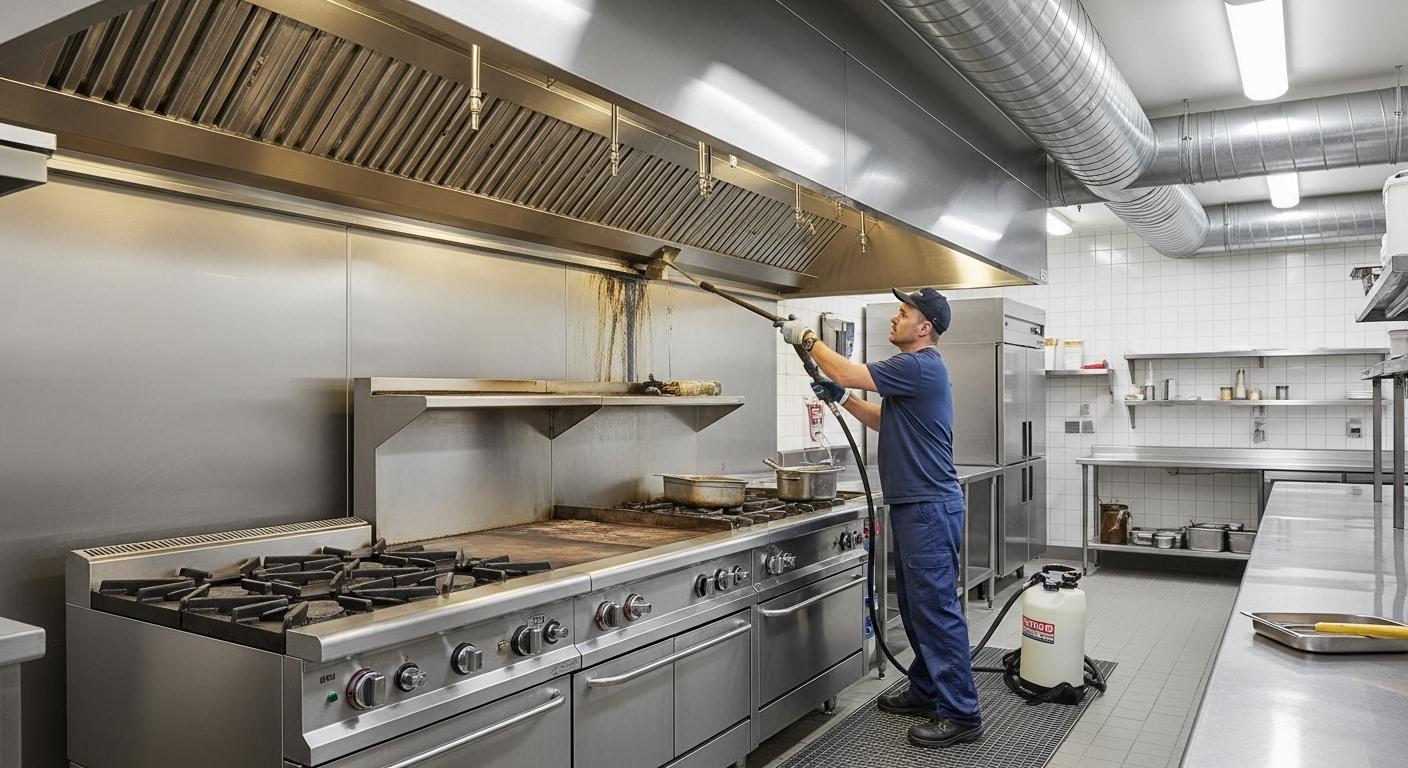
Maintaining a commercial kitchen goes beyond surface cleaning. One of the most overlooked but critical safety measures is scheduled kitchen exhaust cleaning. Exhaust systems accumulate grease, smoke, and food particles over time, creating flammable layers that can ignite unexpectedly. Regular cleaning protects staff, equipment, and your business by reducing fire risk, ensuring compliance with NFPA 96 standards, and improving operational efficiency. Preventive maintenance helps maintain proper ventilation, prolongs equipment lifespan, and supports regulatory compliance, making it an essential part of responsible restaurant management.
The Risks of Neglecting Kitchen Exhaust Cleaning
Neglecting regular kitchen cleaning can create serious safety hazards, reduce operational efficiency, and lead to compliance issues. Exhaust systems in commercial kitchens collect grease, smoke, and airborne food particles, which, if left untreated, can accumulate and create multiple risks. Understanding these risks is essential for restaurant owners and managers to maintain a safe and compliant kitchen environment.
1. Grease Buildup and Fire Hazards
Grease particles produced during frying, grilling, sautéing, and other high-heat cooking methods stick to hoods, ducts, and fans over time. Hardened grease is extremely flammable, and even a small flare-up can ignite it. Fires inside ductwork spread quickly due to the vertical and horizontal layout of exhaust systems, putting staff, kitchen equipment, and the building at serious risk. Unchecked grease not only increases the likelihood of a fire but also makes any incident harder to control, emphasizing the need for scheduled professional cleaning.
2. Reduced Ventilation Efficiency
Clogged or dirty exhaust systems restrict airflow, reducing the system’s ability to remove smoke, odors, and excess heat from the kitchen. This can create uncomfortable and unsafe working conditions for staff, increase energy consumption, and reduce the lifespan of fans and motors. Poor ventilation can also impact food preparation, leading to uneven cooking temperatures or lingering odors that affect overall food quality. Clean, properly maintained exhaust systems ensure optimal airflow, allowing the kitchen to operate efficiently and safely.
3. Regulatory and Compliance Risks
Commercial kitchen exhaust systems must comply with safety standards, including NFPA 96 and local fire codes. Failing to clean and maintain exhaust systems can result in regulatory violations, fines, insurance penalties, and even temporary closure during inspections. Fire inspectors and insurance companies require documentation of regular cleaning, so neglecting maintenance can jeopardize both compliance and coverage. Adhering to scheduled exhaust cleaning ensures kitchens remain safe, reduces legal and financial risks, and demonstrates due diligence to regulators and insurers.
How Scheduled Exhaust Cleaning Improves Safety and Efficiency
Regular and scheduled kitchen exhaust cleaning is a crucial aspect of maintaining a safe, compliant, and efficient commercial kitchen. Beyond removing grease and debris, it improves staff safety, operational performance, and long-term equipment reliability. By implementing preventive maintenance routines, restaurants can significantly reduce fire hazards, maintain regulatory compliance, and ensure optimal working conditions for kitchen staff.
1. Fire Prevention
Grease accumulation inside hoods, ducts, and fans is the leading cause of commercial kitchen fires. High-heat cooking, such as frying, grilling, or charbroiling, produces airborne grease particles that stick to ventilation surfaces. Over time, these deposits harden and become highly flammable. Scheduled professional cleaning removes this buildup before it can ignite, preventing small flare-ups from escalating into large, dangerous fires. By addressing both visible and hidden grease deposits, restaurants protect staff, equipment, and the facility from catastrophic fire incidents.
2. Compliance with Fire Codes
Maintaining exhaust systems is not only about safety—it’s a legal requirement. Standards such as NFPA 96 and local fire codes mandate regular cleaning, inspection, and maintenance of kitchen ventilation systems. Scheduled exhaust cleaning ensures that restaurants meet these standards consistently. Professional service providers supply documentation, inspection reports, and compliance labels, which are critical for audits, insurance verification, and regulatory inspections. Adhering to fire codes through regular cleaning reduces liability, prevents fines, and demonstrates responsible operational practices.
3. Improved Ventilation and Staff Comfort
Clogged or dirty exhaust systems restrict airflow, causing heat, smoke, and odors to linger in the kitchen. This makes the environment uncomfortable for staff, reduces productivity, and can even affect food preparation quality. Regular cleaning restores optimal airflow, efficiently removing smoke and odors and reducing excess heat. This ensures a safer, more comfortable working environment, helps staff perform efficiently, and supports consistent food preparation conditions. Clean ventilation also improves overall air quality in the kitchen, which is crucial for staff health and comfort.
4. Extended Equipment Lifespan
Grease and debris in exhaust hoods, ducts, and fans increase strain on ventilation equipment. Motors and fans work harder to maintain airflow, which accelerates wear and can lead to costly failures. Scheduled cleaning reduces this strain, allowing equipment to operate efficiently and extending its service life. By preventing grease buildup, restaurants save on repair and replacement costs, reduce downtime, and maintain operational efficiency. Preventive cleaning also ensures fans and motors run quietly and effectively, contributing to smoother kitchen operations.
Common Warning Signs of Unsafe Exhaust Systems
Commercial kitchen operators should regularly monitor their exhaust systems for early indicators of potential hazards. Recognizing these warning signs allows for preventive maintenance, reducing fire risks, ensuring proper ventilation, and maintaining compliance with fire codes such as NFPA 96.
Key warning signs include:
-
Persistent Smoke or Strong Odors: If smoke or food odors linger in the kitchen even after cooking has stopped, it may indicate that the exhaust system is blocked or grease has accumulated inside the ducts.
-
Grease Drips or Buildup Around Filters or Hood Edges: Visible grease outside the normal collection areas suggests excessive internal deposits, which can become highly flammable if left unaddressed.
-
Reduced Airflow from Vents: Poor airflow signals clogged ducts, over-saturated filters, or blocked fans. This reduces ventilation efficiency, creates uncomfortable working conditions, and increases fire risk.
-
Excessive Heat Near Cooking Equipment: When hoods and fans are struggling to remove heat, it indicates restricted airflow caused by grease buildup.
-
Noisy or Vibrating Fans: Unusual sounds or vibrations often point to mechanical strain caused by grease accumulation, which can reduce fan lifespan and affect ventilation efficiency.
By regularly inspecting for these signs, restaurants can schedule professional exhaust cleaning before conditions escalate into fire hazards or compliance violations. Early detection ensures safer kitchens, improved ventilation, and operational efficiency.
Professional Kitchen Exhaust Cleaning Methods
Scheduled professional kitchen exhaust cleaning is essential for removing grease, maintaining ventilation efficiency, and ensuring fire safety in commercial kitchens. Daily wiping and routine staff cleaning are not enough to address grease buildup in hoods, ducts, and rooftop fans, which can become a major fire hazard over time. Certified cleaning technicians use specialized methods to ensure the entire system is thoroughly cleaned and compliant with fire safety standards.
Key professional cleaning methods include:
-
Manual Scraping: Technicians carefully remove hardened grease from ducts, hoods, and corners where buildup accumulates. This ensures that stubborn deposits, which cannot be eliminated through daily cleaning, are fully removed.
-
Pressure Washing: High-pressure water systems are applied to ducts, hoods, and other surfaces to remove remaining grease and residue. This method reaches hard-to-access areas and ensures thorough cleaning.
-
Degreasing Agents: Food-safe chemical degreasers dissolve grease without damaging metal surfaces. These agents are safe for commercial kitchens and effectively remove hardened grease layers.
-
Rooftop Fan Cleaning: Fans on rooftops often collect grease and dust that restrict airflow. Cleaning these components reduces strain on motors, improves ventilation, and prevents mechanical failures.
Documentation and Compliance Labels: Professional services provide detailed cleaning reports, inspection checklists, and compliance labels to demonstrate adherence to NFPA 96 and local fire codes. These records are crucial for audits, inspections, and insurance verification.
By following these professional methods, restaurants ensure that their exhaust systems operate safely and efficiently. Proper cleaning reduces fire risk, enhances airflow, supports preventive maintenance, and extends the lifespan of ventilation equipment, creating a safer and more productive kitchen environment.
Benefits of Scheduled Kitchen Exhaust Cleaning
Regular, scheduled kitchen exhaust cleaning provides numerous advantages that extend beyond basic fire safety. By maintaining clean hoods, ducts, and fans, restaurants can protect staff, equipment, and the overall operation of the kitchen.
-
Reduced Fire Risk: Routine cleaning removes grease buildup that can act as highly combustible fuel. Eliminating these deposits significantly lowers the likelihood of fires starting or spreading through the exhaust system.
-
Regulatory Compliance: Adhering to NFPA 96 and local fire codes is essential for legal compliance. Scheduled cleaning ensures restaurants meet fire safety standards, and professional documentation supports inspections and insurance requirements.
-
Operational Efficiency: Clean exhaust systems improve airflow, reduce excessive heat and smoke, and create a comfortable environment for staff. Better ventilation also supports consistent food preparation and overall kitchen productivity.
-
Equipment Longevity: Removing grease and debris reduces strain on fans, motors, and ductwork, extending the lifespan of ventilation equipment and minimizing repair or replacement costs.
-
Peace of Mind: Professional cleaning services provide detailed reports, inspection checklists, and compliance labels. These records give restaurant operators confidence that the kitchen is safe, compliant, and prepared for audits or insurance evaluations.
By implementing a scheduled cleaning program, restaurants benefit from safer operations, smoother workflow, and long-term protection for their staff, equipment, and property.
Conclusion
Scheduled kitchen exhaust cleaning is a critical component of commercial kitchen safety, efficiency, and compliance. Regular removal of grease and debris reduces fire risks, improves ventilation, and ensures staff comfort during high-heat cooking operations. It also supports compliance with NFPA 96 and local fire codes, providing documentation for inspections and insurance purposes. Beyond safety, preventive cleaning extends the lifespan of exhaust equipment, improves operational efficiency, and protects the restaurant’s investment. By implementing a consistent cleaning schedule and partnering with certified professionals, restaurants can create safer, more productive kitchens while minimizing hazards and long-term costs.
FAQs About Scheduled Kitchen Exhaust Cleaning
Q1: How often should a commercial kitchen exhaust system be cleaned?
Cleaning frequency depends on cooking volume and type. High-volume kitchens with frying or grilling may require cleaning every 1–3 months, while lower-volume kitchens may need quarterly or semi-annual cleaning. NFPA 96 provides official guidelines.
Q2: What are the warning signs that exhaust cleaning is needed?
Watch for persistent smoke or odors, grease drips or buildup around filters, reduced airflow, excessive heat, or noisy fans. These indicate grease accumulation and potential fire risk.
Q3: Can routine staff cleaning replace professional exhaust cleaning?
No. Daily cleaning helps maintain surfaces but cannot remove hardened grease in ducts, hoods, or rooftop fans. Professional cleaning ensures thorough removal and regulatory compliance.
Q4: What methods do professionals use for exhaust cleaning?
Technicians use manual scraping, high-pressure washing, food-safe degreasers, and rooftop fan cleaning. Detailed reports and compliance labels verify adherence to NFPA 96 and local fire codes.
Q5: Why is scheduled exhaust cleaning important?
It reduces fire risk, improves ventilation, prolongs equipment life, ensures compliance with fire codes, and creates a safer, more efficient kitchen environment.

 English
 Arabic
 Spanish
 Portuguese
 Deutsch
 Turkish
 Dutch
Dutch
 Italiano
 Russian
 Romaian
 Portuguese (Brazil)
 Greek
Greek