

Is a Land Rover Engine Dependable for Long-Term Use?
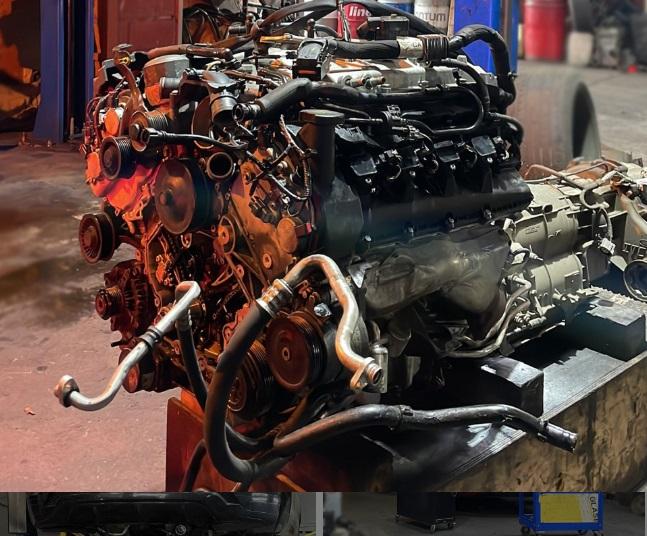
The Evolution of British Engineering
Modern drivers often question the endurance of luxury SUVs, particularly when analyzing if a Land Rover engine can withstand the test of time. Over the last decade, Jaguar Land Rover has transitioned from sourcing external powerplants to developing their own modular Ingenium architecture. This shift was designed to prioritize fuel efficiency and lower emissions while maintaining the rugged performance the brand is known for. While early iterations faced some growing pains, the latest versions have shown significant improvements in material science and thermal management. Understanding this evolution is crucial for any potential owner looking to invest in a vehicle that will serve them for many years.
Understanding the Ingenium Architecture
The heart of the modern lineup lies in its modular design, where a Land Rover engine is built using 500cc per cylinder increments to create various displacements. This standardized approach allows for better parts availability and more consistent manufacturing processes across the four-cylinder and six-cylinder variants. By utilizing twin-scroll turbochargers and advanced variable valve timing, these powerplants deliver impressive torque at low revolutions. This engineering choice reduces internal stress during heavy towing or off-road excursions, which are common use cases for these vehicles. Such technical precision is a hallmark of the brand’s commitment to balancing high-end luxury with mechanical capability and long-term functionality.
Longevity and Mileage Expectations
When discussing real-world durability, most automotive experts agree that a well-maintained Land Rover engine can comfortably exceed the 200,000-mile mark. Data from long-term owners suggests that the core components, such as the cylinder block and crankshaft, are exceptionally robust. While secondary systems might require attention as the odometer climbs, the fundamental mechanical integrity of the powertrain remains a strong point. Many enthusiasts in the community report reaching high mileage milestones by adhering to strict operational habits. This longevity makes the brand a viable contender for those who prefer to keep their vehicles for a decade rather than trading them in every few years.
The Role of Preventative Maintenance
To ensure the best possible outcome, the lifespan of a Land Rover engine depends heavily on a more frequent service schedule than the factory might suggest. While modern onboard computers often recommend long intervals between oil changes, specialists frequently advise halving those durations to prevent carbon buildup. Clean, high-quality synthetic oil is the lifeblood of the turbocharging system and the sensitive timing chain assemblies. Regularly inspecting the cooling system for small leaks is another vital step in avoiding the catastrophic heat damage that can plague any high-performance vehicle. Consistent care transforms these sophisticated machines from temperamental assets into reliable long-haul companions for adventurous families.
Diesel vs Petrol Dependability
Choosing between fuel types is a major factor when evaluating how a Land Rover engine will behave over hundreds of thousands of miles. The 4.4L SDV8 diesel is often cited by high-mileage drivers as the gold standard for effortless, long-distance durability. On the petrol side, the newer 3.0L inline-six mild-hybrid units provide a smooth power delivery that avoids the complexity-related stresses found in older, smaller engines. Diesel variants are particularly well-suited for those who frequently drive on motorways, as this prevents issues with emission control filters. Conversely, the petrol engines are excellent for suburban environments where shorter trips are the norm and rapid warm-up cycles are necessary.
Addressing Common Reliability Myths
There is a persistent narrative regarding the fragility of luxury SUVs, but a Land Rover engine is often unfairly blamed for electrical or suspension-related grievances. When isolating the mechanical powertrain from the rest of the vehicle's complex electronics, the reliability scores improve dramatically. Most modern failures are not caused by the engine block itself but by ancillary components like plastic coolant pipes or sensors. By replacing these relatively inexpensive parts proactively, owners can avoid the major breakdowns that fuel negative stereotypes. Recognizing the difference between a minor sensor fault and a major mechanical failure is key to a positive and stress-free long-term ownership experience.
The Impact of Driving Conditions
Environmental factors play a massive role in determining if a Land Rover engine will remain dependable as it enters its second decade of service. Vehicles operated in extremely dusty or humid climates require more frequent air filter replacements and cooling system flushes to stay at peak performance. Off-roading is another variable; while the vehicles are designed for the mud, the increased load requires more frequent checks of the drivetrain and seals. Providing the vehicle with a proper warm-up period before demanding high power also preserves the internal bearings and turbocharger components. Thoughtful driving habits ensure that the sophisticated engineering under the hood remains protected from premature wear and tear.
Future-Proofing Your Investment
Looking toward the future, the integration of mild-hybrid technology into the Land Rover engine lineup has added a layer of efficiency that supports longevity. By using an electric motor to assist during high-load situations, the internal combustion components are shielded from the most taxing parts of the combustion cycle. This synergy reduces the overall heat signature of the engine bay, which is a primary contributor to the degradation of rubber and plastic parts over time. As the brand continues to refine its software and hardware integration, the dependability of these vehicles continues to climb. Investing in the latest generation ensures you benefit from years of iterative improvements and field-tested engineering solutions.
Spare Parts and Specialist Support
A major advantage of owning a popular luxury brand is the extensive network of independent specialists who know every nut and bolt of a Land Rover engine inside and out. These experts often provide more tailored maintenance advice than generalist mechanics, focusing on the specific weak points of each model year. Furthermore, the global popularity of the brand means that high-quality OEM and aftermarket parts are readily available, keeping repair costs manageable. Having access to this ecosystem of knowledge and hardware is a safety net for long-term owners. It ensures that if a component does eventually fail, the path back to the road is straightforward and relatively cost-effective.
Conclusion on Long-Term Dependability
In summary, the question of whether these vehicles are dependable for the long haul comes down to a partnership between the machine and the owner. While the sophisticated nature of a Land Rover engine requires more attention than a budget economy car, the rewards in performance and capability are unmatched. By choosing the right powerplant for your driving style and committing to a proactive maintenance philosophy, you can enjoy a vehicle that feels as strong at 150,000 miles as it did on the showroom floor. The modern era of British engineering has brought about a level of durability that, when respected, offers a truly premium and reliable driving experience for years.

 English
 Arabic
 French
 Spanish
 Deutsch
 Turkish
 Dutch
Dutch
 Italiano
 Russian
 Romaian
 Portuguese (Brazil)
 Greek
Greek