

Magnesia Price Trend: A Simple Look at an Important Industrial Mineral
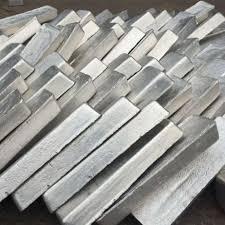
The Magnesia Price Trend reflects changes in the value of a mineral that quietly supports many industries and everyday products. Magnesia (magnesium oxide) may not be a headline topic, but it plays a key role in manufacturing, construction, agriculture, and environmental technologies. Because magnesia is closely tied to real demand from heavy industry and basic products, its price trend moves with production needs, supply conditions, and broader economic activity rather than speculation or short-term market emotion.
👉 👉 👉 Please Submit Your Query for Zinc Ingot Price Trend, demand-supply, suppliers, market analysis: https://www.price-watch.ai/book-a-demo/
Understanding Magnesia and Its Uses
Magnesia is a naturally occurring mineral that is processed into magnesium oxide, a material valued for its heat resistance, chemical stability, and usefulness as a refractory (heat-resistant) component. It is widely used in steelmaking, cement production, refractory bricks, fertilizers, and wastewater treatment.
In everyday life, people indirectly benefit from magnesia in products and infrastructure without realizing it. Roads, buildings, factories, and agricultural lands all rely on magnesia’s performance in some way. This broad and steady demand underpins the magnesia price trend.
Key Factors Influencing the Magnesia Price Trend
One of the biggest drivers of magnesia prices is industrial demand. When steel production increases, so does the need for refractory magnesia to line furnaces and kilns. Similarly, strong construction activity boosts demand for cement and materials that depend on magnesia.
Supply conditions also affect prices. Magnesia is mined and processed in a few key regions, and any changes in mine output, energy costs, or environmental regulations can change how much magnesia is available. These shifts push the magnesia price trend up or down over time.
Magnesia Price Trend and the Steel Industry
The steel industry is one of the largest consumers of magnesia. High-temperature furnaces used in steelmaking require refractory materials to protect equipment and maintain quality. Magnesia provides this heat resistance and helps keep production running smoothly.
When global steel demand grows — often tied to infrastructure projects, automobiles, and heavy manufacturing — magnesia consumption tends to follow. This close connection means that the magnesia price trend often mirrors broader trends in industrial growth.
Construction and Infrastructure Influence
Construction and infrastructure development also shape magnesia demand. Cement and concrete production use magnesia as an additive in some applications, and refractory products go into factories, power plants, and industrial facilities.
When a region invests heavily in new buildings, transportation networks, or industrial parks, magnesia demand typically rises. This stable and predictable industrial use helps explain why the magnesia price trend moves gradually rather than suddenly.
Global Market and Trade Factors
Magnesia is traded internationally, and global supply and demand dynamics influence pricing. Freight and logistics costs, trade policies, and currency exchange rates all play a role in local price variations.
Because magnesia is a basic industrial material, price movements tend to be less volatile than commodities linked to financial speculation. The magnesia price trend more often reflects real adjustments in production and consumption patterns around the world.
Energy Costs and Production Expenses
Energy costs have a direct impact on magnesia processing, since turning raw magnesite into usable magnesium oxide is an energy-intensive process. When fuel and electricity costs rise, production expenses increase, and these higher costs can be reflected in the magnesia price trend.
Producers that find ways to improve energy efficiency or adopt lower-cost processes may help smooth price pressures and support long-term supply stability.
Environmental and Regulatory Impact
Environmental regulations can shape how magnesia is mined, processed, and used. Stricter emissions and waste-management standards sometimes increase production costs, which in turn influence pricing. At the same time, responsible mining and processing practices help support sustainable supply over the long term.
These environmental considerations are becoming more important and may play a larger role in future trends.
Everyday Products and Hidden Demand
Most people encounter magnesia in products they never associate with the mineral. From agricultural fertilizers to animal feed supplements, from plastics to environmental filters, magnesia plays a supporting role across sectors.
This hidden but widespread demand contributes to a steady baseline consumption that underpins the magnesia price trend.
Long-Term Outlook of the Magnesia Price Trend
Looking ahead, the magnesia price trend is likely to remain tied to industrial growth and infrastructure development. As nations expand construction, manufacturing, and energy production, demand for refractory and chemical applications of magnesia is expected to stay strong.
Advances in production technology and recycling may help balance supply and demand, reducing extreme price swings and supporting stable long-term trends.
Conclusion
The Magnesia Price Trend tells the story of a mineral that forms the backbone of heavy industry and everyday infrastructure. Its price movements are influenced by steel production, construction activity, energy costs, supply conditions, and environmental policies. While magnesia may not be widely discussed outside industrial circles, its role is essential and its price trend reflects real economic activity. As global industry continues to grow and modernize, magnesia is likely to remain a stable and important part of the market.
👉 👉 👉 Please Submit Your Query for Zinc Ingot Price Trend, demand-supply, suppliers, market analysis: https://www.price-watch.ai/book-a-demo/
About Price Watch™ AI
Price-Watch AI is an India-based, independent raw material price reporting agency that provides real-time price forecasts and data-driven insights into global raw material markets. Price-Watch AI specializes in tracking raw material prices, analyzing market trends, and delivering timely updates on plant shutdowns, supply disruptions, capacity expansions, and demand-supply dynamics. The Price-Watch AI platform empowers manufacturers, traders, and procurement professionals to make faster, smarter decisions. Leveraging AI-powered forecasting and over a decade of historical data, Price-Watch AI transforms market volatility into actionable opportunity.
Futura Tech Park,
C Block, 8th floor 334,
Old Mahabalipuram Road,
Sholinganallur, Chennai, Tamil Nadu, Pincode - 600119.
LinkedIn: https://www.linkedin.com/company/price-watch-ai/
Facebook: https://www.facebook.com/people/Price-Watch/61568490385598/
Twitter: https://x.com/pricewatchai
Website: https://www.price-watch.ai/

 English
 Arabic
 French
 Spanish
 Portuguese
 Deutsch
 Turkish
 Dutch
Dutch
 Italiano
 Russian
 Romaian
 Greek
Greek