

Where Can Brands Find Reliable Linen Fabric Garmenting for Egypt?
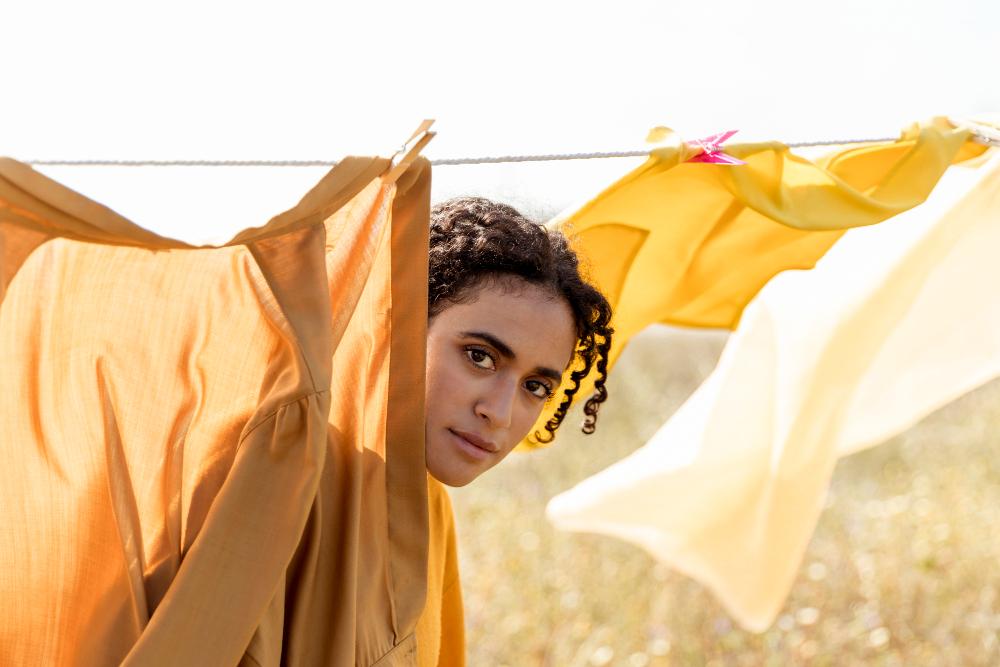
The demand for high-quality linen garments in Egypt is growing. Brands and designers are constantly looking for reliable manufacturing partners who can turn raw linen into finished clothing that meets international standards. Egypt has a rich history with textiles, but sourcing the right partner for linen—a fabric known for its specific handling requirements—can be difficult.
Finding a factory that understands the nuances of linen fabric garmenting is critical. You need a partner who can handle everything from sourcing the raw material to the final stitch. This article breaks down the challenges brands face in this market, what to look for in a supplier, and how companies like Fabriclore Pvt Ltd are solving these sourcing headaches for fashion labels worldwide.
Challenges in Finding Reliable Linen Fabric Suppliers
Sourcing linen is not like sourcing cotton or polyester. It requires a specific set of skills and machinery to ensure the final product doesn't pill, distort, or fall apart after a few washes. When brands look for manufacturing partners for the Egyptian market, they often hit several roadblocks.
Inconsistent Fabric Quality
The biggest issue is often the raw material itself. "Linen" is a broad term. There is a massive difference between high-grade European flax and lower-quality blends that feel rough on the skin. Many suppliers promise premium linen but deliver a product that is scratchy or uneven. Brands need manufacturers who have direct access to certified mills and can guarantee the grade of the fabric before production starts.
High Minimum Order Quantities (MOQs)
Small to mid-sized fashion brands often struggle with the volume requirements of large factories. Many established manufacturers will not touch an order under 1,000 pieces per style. This forces brands to either overproduce—tying up cash flow in inventory they might not sell—or compromise on quality by working with smaller, unproven workshops.
Lack of Technical Expertise
Linen behaves differently than other woven fabrics. It has low elasticity and wrinkles easily during production if not handled correctly. A factory that specializes in jersey knits or heavy denim might not have the expertise for woven fabric garmenting. Using the wrong needle size, thread tension, or cutting technique can ruin an entire batch of expensive linen.
Key Factors to Consider When Choosing a Supplier
To avoid these pitfalls, brands must vet potential partners carefully. When evaluating a clothing manufacturer for linen products, focus on these three specific areas.
1. Specialization in Woven Fabric Garmenting
Do not settle for a generalist. Ask specifically about their experience with woven fabric garmenting. Woven fabrics like linen require precise cutting and stitching techniques. A manufacturer who understands wovens will know how to pre-shrink the fabric to prevent size changes after the customer washes the garment. They will also know the correct seam finishes to use to prevent fraying, which is common in loose-weave linens.
2. Supply Chain Transparency
You need to know where the linen comes from. A reliable supplier should be able to trace the fabric back to the mill. They should provide swatches for approval before bulk production begins. Transparency builds trust. If a manufacturer is vague about their fabric sources or refuses to send samples, it is a red flag.
3. Production Flexibility
Look for a partner who offers flexible MOQs. The modern fashion landscape moves fast. You might need to test a new linen shirt design in small quantities before committing to a massive run. Manufacturers who support lower MOQs allow you to be more agile and responsive to market trends without risking your entire budget.
Fabriclore Pvt Ltd: A Top Solution for Global Brands
For brands targeting the Egyptian market or operating within it, finding a manufacturer that ticks all these boxes can be time-consuming. This is where Fabriclore Pvt Ltd stands out. As a leading clothing manufacturer, Fabriclore has built a reputation for solving the complex problems associated with sourcing and production.
Fabriclore is not just a factory; it is a tech-enabled platform that connects brands with high-quality manufacturing. They specialize in a wide range of natural fabrics, with deep expertise in linen fabric garmenting.
Why Brands Choose Fabriclore
-
Customization: They offer fully customized designs, meaning you are not limited to generic blanks. You can create unique silhouettes tailored to your brand’s aesthetic.
-
Low MOQs: Fabriclore supports fashion businesses by offering low minimum order quantities. This allows startups and boutique brands to access professional-grade manufacturing without the burden of massive inventory.
-
End-to-End Service: From sourcing the specific weight and weave of linen you need, to dyeing, printing, and final construction, they handle the entire process.
-
Quality Assurance: Their focus on woven fabric garmenting ensures that technical details—like seam strength and fit consistency—are monitored strictly.
By partnering with a company like Fabriclore, brands can bypass the usual sourcing struggles and focus on marketing and sales, knowing the product quality is secured.
Tips for Ensuring Quality and Consistency
Once you have selected a manufacturer, the work isn't done. Active management is required to ensure the final product meets your standards.
Request Pre-Production Samples
Never approve a bulk order based on a digital sketch. Always request a physical pre-production sample. Check the hand-feel of the linen, the neatness of the stitching, and the fit. Wash the sample to see how the fabric reacts. Does it shrink? Does the color fade? This is your last chance to make changes before spending money on the full order.
Define Your Tech Pack Clearly
Ambiguity leads to errors. Your tech pack must be detailed. Specify the thread count of the linen, the exact Pantone color code for dyeing, the type of buttons, and the measurements for every size (S, M, L, XL). The more specific you are, the less room there is for the manufacturer to make incorrect assumptions.
Establish Quality Control Checkpoints
If possible, implement a third-party inspection or ask for photos/videos during the production process. A reliable clothing manufacturer will be happy to provide updates. Catching a mistake during the cutting phase is cheap; fixing it after the garment is sewn is expensive and often impossible.
Partnering with the Right Supplier for Success
The market for linen clothing in Egypt is ripe for growth, but success depends on the product. Brands cannot afford to put their label on garments that shrink, fray, or feel cheap.
The key to navigating this landscape is finding a partner who specializes in woven fabric garmenting and understands the specific demands of linen. It requires moving away from generic factories and working with specialists who offer transparency and flexibility.
Companies like Fabriclore Pvt Ltd offer a streamlined path for brands. By combining technical expertise with low MOQs and reliable sourcing, they remove the risks typically associated with overseas manufacturing. When you choose the right partner, you secure not just a supplier, but a foundation for your brand’s long-term reputation and growth.

 English
 Arabic
 French
 Spanish
 Portuguese
 Deutsch
 Turkish
 Dutch
Dutch
 Italiano
 Russian
 Romaian
 Portuguese (Brazil)