

The Importance of Trust and Communication in Tattooing
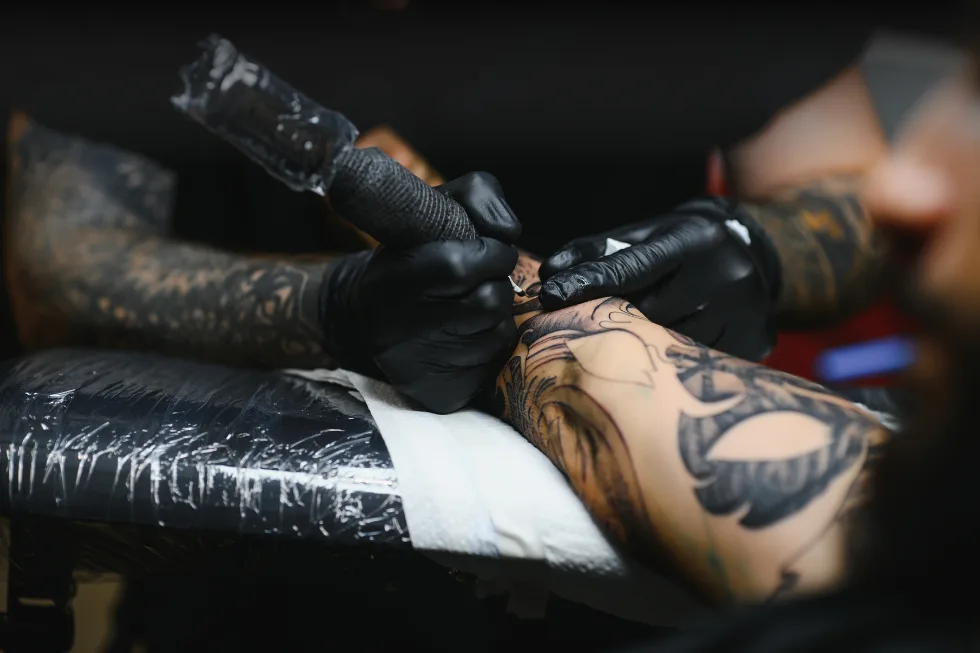
Tattooing is far more than applying ink to skin it is a deeply personal journey of self-expression, identity, and storytelling. Because tattoos are permanent, the relationship between the client and the tattoo artist plays a critical role in the final outcome. At the heart of every successful tattoo experience lie two essential elements: trust and communication. Studios such as Art n Soul Tattoo Studio understand that these foundations transform tattooing into a meaningful artistic collaboration.
Why Trust Matters in Tattooing
Trust is fundamental in the tattoo process. Clients place confidence in their tattoo artist’s technical expertise, hygiene standards, and artistic ability. This trust allows clients to relax during what can be an intense physical and emotional experience. A professional studio like Art n Soul Tattoo Studio prioritizes cleanliness, safety, and precision, helping clients feel secure from consultation to completion.
Beyond professionalism, trust also extends to artistic vision. Many clients arrive with abstract ideas, emotions, or symbols rather than a finished design. They rely on the tattoo artist to interpret these ideas into a visually striking and lasting piece of body art. When trust is present, clients feel comfortable allowing the artist creative freedom while knowing their vision will be respected.
The Role of Clear Communication
Effective communication ensures that expectations align on both sides. Discussing design details, placement, size, style, and meaning helps prevent misunderstandings and disappointment. Open conversations also allow tattoo artists to explain what is technically possible and how designs may need to adapt for skin type, body movement, and long-term durability.
Clear communication is also essential for informed consent. Clients should fully understand the tattooing process, potential discomfort, healing stages, aftercare requirements, and costs. Studios like Art n Soul Tattoo Studio emphasize transparency, ensuring clients feel confident and informed before any work begins.
Collaboration Creates Better Tattoos
The best tattoos are the result of collaboration. Through dialogue, artists and clients exchange ideas, refine designs, and make thoughtful adjustments. Ongoing check-ins during the tattooing session help ensure comfort and satisfaction throughout the process. This collaborative approach turns tattooing into a shared creative experience rather than a one-sided transaction.
Consequences of Poor Trust and Communication
Without trust and communication, tattoo experiences can become stressful. Designs may fail to meet expectations, technical issues may arise, and clients may feel disconnected from the final result sometimes leading to regret or the need for cover-ups.
Conclusion
Trust and communication elevate tattooing from a service to an art form rooted in connection and respect. When clients and artists work together openly, the result is not only beautiful body art but a positive, empowering experience. Studios like Art n Soul Tattoo Studio exemplify how strong relationships create tattoos that clients proudly carry for a lifetime.
If you’d like, I can:

 English
 Arabic
 French
 Spanish
 Deutsch
 Turkish
 Dutch
Dutch
 Italiano
 Russian
 Romaian
 Portuguese (Brazil)
 Greek
Greek