

Titanium Dioxide Price Trend: A Natural Look at an Industrial Staple Titanium Dioxide Price Trend: A Natural Look at an Industrial Staple
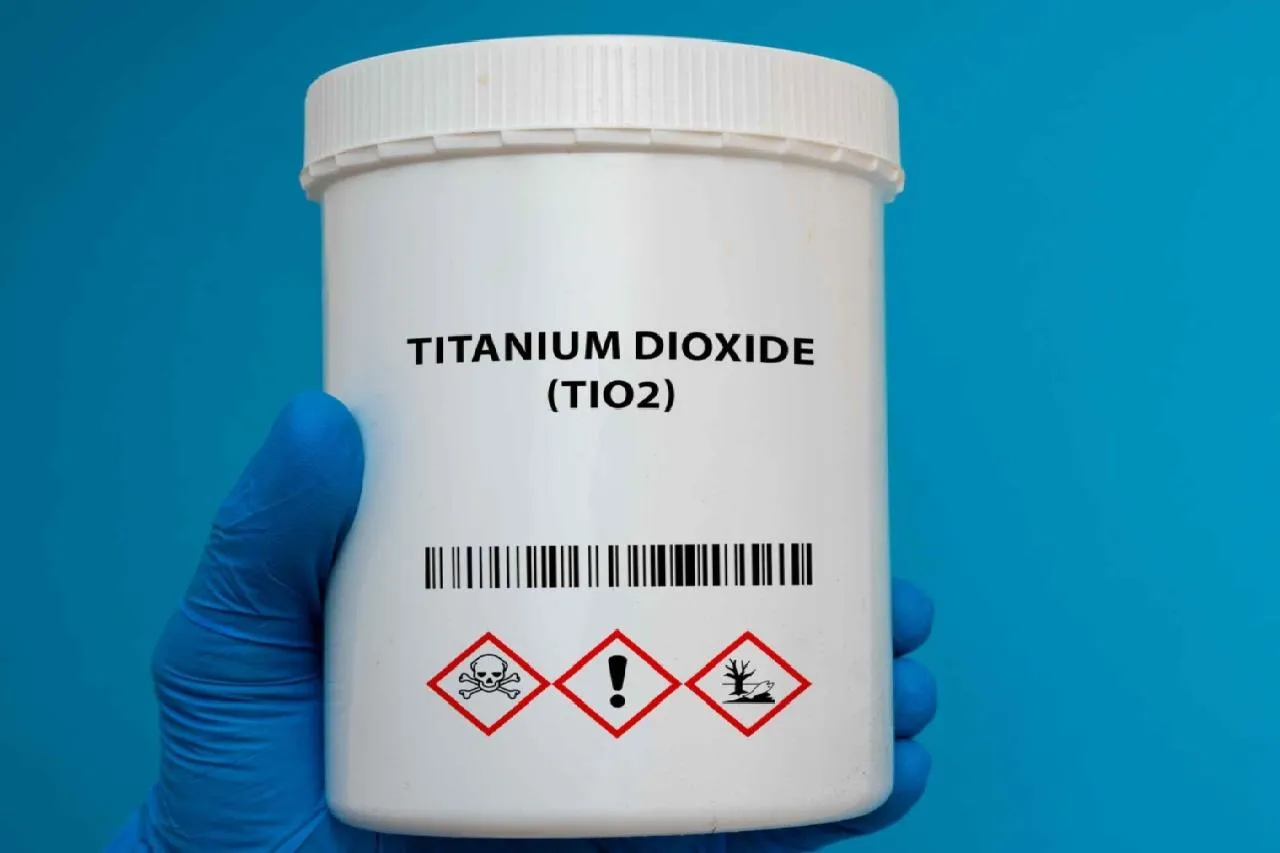
The Titanium Dioxide Price Trend reflects changes in the cost of a material that quietly supports everyday products and major industries around the world. Titanium dioxide (TiO₂) is a white pigment used in paints, coatings, plastics, paper, cosmetics, and many other items. Because it is tied to real manufacturing activity and steady consumer demand, its price movements are shaped by industrial growth, raw material supply, energy costs, and broader economic trends rather than short-term speculation.
👉 👉 👉 Please Submit Your Query for Zinc Ingot Price Trend, demand-supply, suppliers, market analysis: https://www.price-watch.ai/book-a-demo/
What Titanium Dioxide Is and Why It Matters
Titanium dioxide is a naturally occurring mineral that is refined into a fine, bright white powder. It is prized for its brightness, opacity, and ability to reflect light, which makes coatings and finishes look vibrant and long-lasting. These qualities make titanium dioxide nearly indispensable in products where appearance, durability, and quality matter.
In addition to paints and coatings, titanium dioxide is used in plastics to improve color and performance, in paper to enhance brightness, and in sunscreens and cosmetics for its UV-blocking properties. This broad range of applications gives titanium dioxide stable and diversified demand — a key foundation of the titanium dioxide price trend.
Key Drivers of the Titanium Dioxide Price Trend
Industrial demand is perhaps the strongest influence on titanium dioxide prices. When construction, automotive production, and manufacturing activity strengthen, the need for paints, coatings, and plastics rises. Because titanium dioxide is a core ingredient in these materials, its demand grows with industrial output and economic activity.
Supply conditions also matter. Titanium dioxide is produced from ores such as ilmenite and rutile, and the availability of these raw materials affects TiO₂ supply. Changes in mining output, refining capacity, or export regulations can influence how much material reaches the market, which in turn affects prices.
Construction Activity and the Price Trend
Construction is a major driver of titanium dioxide demand because paints and coatings are essential for building finishes and protection. When infrastructure and housing projects expand, paint consumption increases — and with it, the need for titanium dioxide.
During periods of strong construction activity, titanium dioxide demand tends to rise steadily. When construction slows, demand may ease, leading to softer price movement. These cyclical patterns are a key part of the titanium dioxide price trend over time.
Global Market Influences on Pricing
Titanium dioxide is traded internationally, and global supply and demand dynamics influence its price. Freight costs, currency exchange rates, and trade policies can all affect how titanium dioxide is priced in different regions. For example, changes in shipping costs can make imported TiO₂ more expensive, contributing to regional price differences.
Because it is a widely used industrial material rather than a financial commodity, titanium dioxide prices are often more stable and predictable than metals traded on financial exchanges. The titanium dioxide price trend tends to follow long-term demand cycles rather than short-term speculation.
Supply Chain and Production Costs
The production of titanium dioxide involves energy-intensive processes, including ore refining and pigment production. Energy costs, labor, and environmental compliance all affect production expenses. When energy prices rise, production becomes more expensive, and some of that cost may be reflected in market prices.
Mining and processing regulations also shape production costs. Compliance with environmental standards may increase operating costs or reduce output in some areas, contributing to shifts in supply and the titanium dioxide price trend.
Consumer Products and Everyday Use
Most people interact with titanium dioxide without realizing it. From the paint on walls to the plastics in appliances and the sunscreen we apply, TiO₂ is part of many daily experiences. This broad, hidden usage creates consistent demand that helps stabilize the titanium dioxide price trend.
Because titanium dioxide is used in products with long lifecycles and steady consumption patterns, its price movements tend to be gradual. The trend mirrors changes in industrial activity and consumer behavior rather than sudden market shocks.
Environmental and Regulatory Impact
Environmental concerns are increasingly influencing how raw materials like titanium dioxide are sourced and processed. Stricter regulations around mining, waste handling, and emissions can raise production costs but also promote sustainable practices. These long-term shifts in how the material is made and used can feed into the titanium dioxide price trend over time.
At the same time, research into recycling and alternative formulations may help balance supply and demand in the future, smoothing price fluctuations and supporting sustainable growth.
Long-Term Outlook for the Titanium Dioxide Price Trend
Looking ahead, demand for titanium dioxide is expected to remain robust due to ongoing needs in construction, automotive, packaging, and consumer goods. As economies develop and urbanize, consumption of paints, coatings, and plastics — and therefore titanium dioxide — is likely to continue growing.
Technological advances in production efficiency and material substitution may influence future prices, but the overall trend is more likely to reflect long-term industrial demand rather than short-term speculation. This suggests a relatively stable and gradually evolving titanium dioxide price trend in the years ahead.
Conclusion
The Titanium Dioxide Price Trend tells the story of a mineral that supports everyday materials and major industrial sectors. Its price movements are shaped by demand from construction, manufacturing, consumer goods, and global supply dynamics. Unlike markets driven by investment speculation, titanium dioxide prices reflect real-world usage and economic activity. As industries continue to evolve and demand for durable, high-quality materials remains strong, titanium dioxide is likely to stay an essential and steadily priced component of the global market.
👉 👉 👉 Please Submit Your Query for Zinc Ingot Price Trend, demand-supply, suppliers, market analysis: https://www.price-watch.ai/book-a-demo/
About Price Watch™ AI
Price-Watch AI is an India-based, independent raw material price reporting agency that provides real-time price forecasts and data-driven insights into global raw material markets. Price-Watch AI specializes in tracking raw material prices, analyzing market trends, and delivering timely updates on plant shutdowns, supply disruptions, capacity expansions, and demand-supply dynamics. The Price-Watch AI platform empowers manufacturers, traders, and procurement professionals to make faster, smarter decisions. Leveraging AI-powered forecasting and over a decade of historical data, Price-Watch AI transforms market volatility into actionable opportunity.
Futura Tech Park,
C Block, 8th floor 334,
Old Mahabalipuram Road,
Sholinganallur, Chennai, Tamil Nadu, Pincode - 600119.
LinkedIn: https://www.linkedin.com/company/price-watch-ai/
Facebook: https://www.facebook.com/people/Price-Watch/61568490385598/
Twitter: https://x.com/pricewatchai
Website: https://www.price-watch.ai/

 Arabic
 French
 Spanish
 Portuguese
 Deutsch
 Turkish
 Dutch
Dutch
 Italiano
 Russian
 Romaian
 Portuguese (Brazil)
 Greek
Greek