

Understanding Urban Development and Smarter City Growth Today
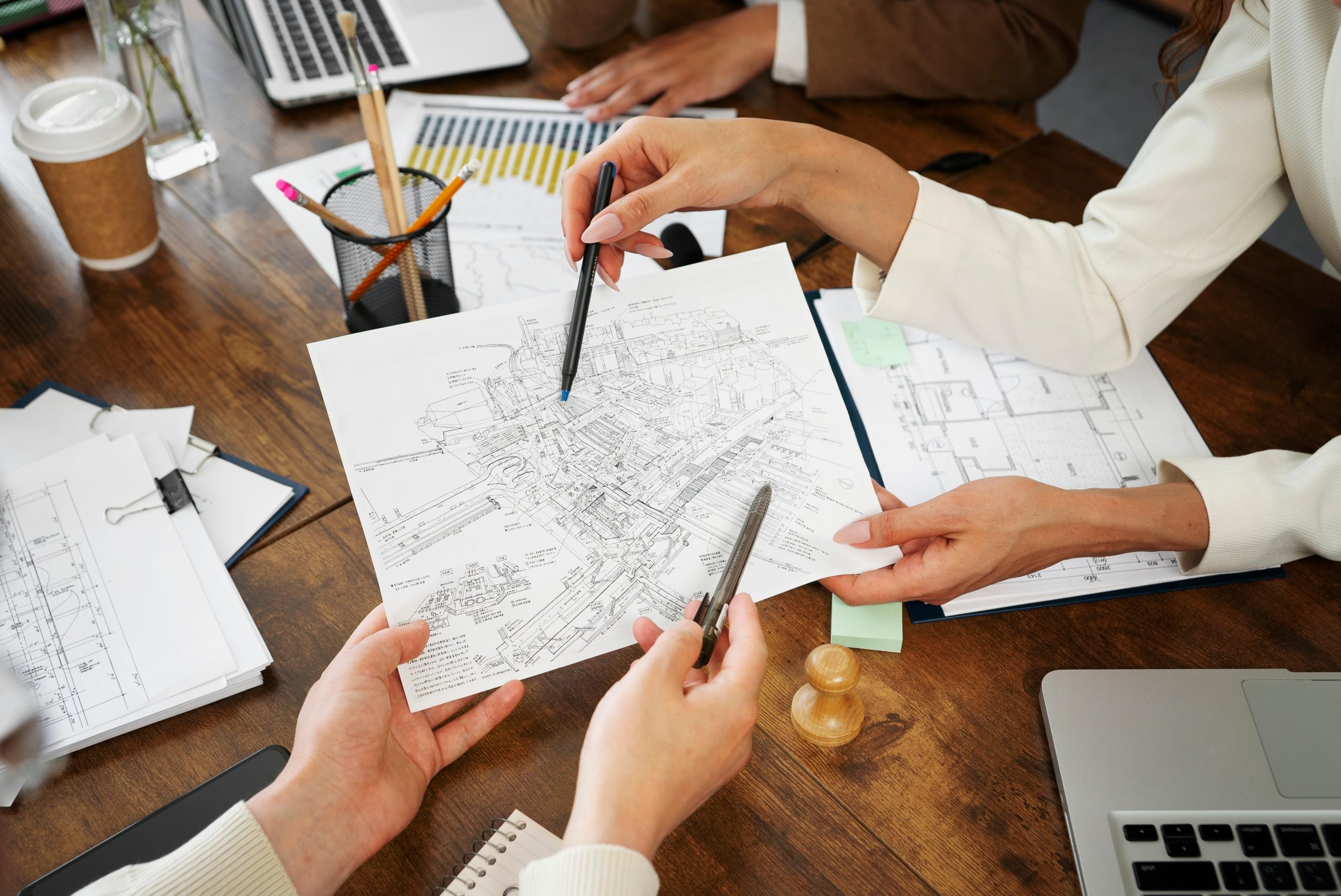
Cities don’t grow by accident. Every road, neighbourhood, business district, and public space is shaped by deliberate decisions aimed at balancing growth, liveability, and sustainability. As populations rise and land becomes more valuable, the need for structured urban development has never been more critical. This is where informed planning frameworks step in—helping communities grow in a way that benefits residents, businesses, and the environment alike.
Urban development is not just about buildings; it’s about people, infrastructure, transport, green spaces, and long-term vision. When done right, it creates cities that are functional, inclusive, and resilient.
What Is Urban Development Planning?
Urban development planning is the process of guiding how land is used and how communities evolve over time. It considers housing density, commercial zones, transport networks, environmental protection, and public amenities. The goal is to ensure growth happens in an organised, efficient, and sustainable way.
A key part of this process is town planning , which helps manage competing land uses while aligning development with local policies and future needs. Through careful analysis and consultation, planners aim to reduce conflicts, improve accessibility, and enhance overall quality of life.
Why Strategic Planning Matters
Without clear planning strategies, cities can quickly become congested, inefficient, and socially divided. Strategic planning helps prevent issues such as traffic overload, urban sprawl, and inadequate public services.
Some major benefits include:
-
Improved liveability: Well-planned cities offer better access to schools, healthcare, parks, and employment.
-
Economic growth: Clear development guidelines attract investment and support local businesses.
-
Environmental protection: Thoughtful land use reduces pollution, preserves green spaces, and supports sustainable design.
-
Infrastructure efficiency: Planning ensures roads, utilities, and transport systems meet current and future demand.
The Role of Community and Policy
Effective urban development is not created in isolation. It relies heavily on collaboration between governments, professionals, and the community. Policies set the framework, but public input ensures developments reflect real needs and local character.
Community consultation allows residents to voice concerns about building height, traffic, heritage, or environmental impact. This feedback helps planners refine proposals and build trust, leading to outcomes that are more widely supported and successful.
Navigating Regulations and Approvals
One of the most complex aspects of development is navigating planning regulations. Zoning laws, overlays, environmental controls, and design standards all influence what can be built and where. Understanding these requirements early can save time, money, and frustration.
Professional planning consultants often assist developers and property owners by preparing reports, managing applications, and liaising with authorities. Firms such as PPC Urban work within these frameworks to help projects align with local policies while addressing practical and community considerations.
Sustainable Growth and Future Cities
Modern urban planning places strong emphasis on sustainability. This includes encouraging higher-density living near transport hubs, integrating renewable energy, and promoting walkable neighbourhoods. Sustainable growth is not about limiting development—it’s about making smarter choices that support long-term resilience.
Future-focused cities prioritise:
-
Mixed-use developments that reduce travel needs
-
Green infrastructure like parks and urban forests
-
Public transport and active travel options
-
Adaptation to climate change and population shifts
These elements help cities remain adaptable as social, economic, and environmental conditions change.
Challenges in Modern Urban Development
Despite its benefits, urban development planning faces real challenges. Rapid population growth, housing affordability, and climate pressures can strain existing systems. Balancing private development interests with public good is an ongoing task.
Another challenge is ensuring planning policies remain flexible enough to accommodate innovation while still protecting community values. This requires ongoing review, data-driven decision-making, and skilled professionals who understand both regulations and real-world impacts.
Conclusion: Planning Cities That Work for Everyone
Urban development shapes how we live, work, and connect with one another. Through thoughtful strategies, clear policies, and community involvement, cities can grow in ways that are inclusive, efficient, and sustainable. town planning plays a vital role in guiding this process—helping turn complex challenges into well-considered solutions.
As cities continue to evolve, informed planning will remain essential. By focusing on long-term outcomes rather than short-term gains, communities can create urban environments that not only meet today’s needs but also support future generations.

 English
 French
 Spanish
 Portuguese
 Deutsch
 Turkish
 Dutch
Dutch
 Italiano
 Russian
 Romaian
 Portuguese (Brazil)
 Greek
Greek