

Zinc Ingot Prices: Understanding the Trends in an Essential Industrial Metal
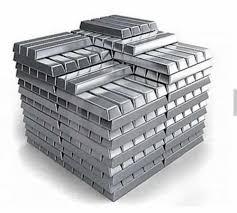
Zinc ingot prices reflect how the cost of primary refined zinc metal changes over time, based on real demand from industry, supply conditions from mining and smelting, and broader economic activity. Zinc is a key metal used in galvanizing steel to protect it from rust, in manufacturing alloys like brass, and in batteries and die-casting. Because it supports everyday construction, transportation, and consumer products, zinc ingot prices are shaped by practical use and global economic trends rather than speculation.
👉 👉 👉 Please Submit Your Query for Alumina Premium Price Trend, demand-supply, suppliers, market analysis: https://www.price-watch.ai/book-a-demo/
What Zinc Ingots Are and Why They Matter
Zinc ingots are refined zinc blocks, usually produced in standard sizes, that serve as raw material for further fabrication and industrial use. When steel is “galvanized,” a coating of zinc ingots or zinc metal protects it from corrosion, making it suitable for buildings, bridges, cars, and infrastructure. Zinc’s ability to protect and strengthen steel makes it a foundational metal in construction, manufacturing, and long-lasting products.
Because zinc ingots are a direct input to many industries, their pricing pattern forms an important signal of industrial health. When industry demand rises, zinc ingot prices tend to rise too.
Factors That Shape Zinc Ingot Prices
One of the strongest influences on zinc ingot prices is global industrial demand. When manufacturing and construction activity expand, demand for galvanized steel and other zinc-bearing products increases. This boosts the need for zinc ingots and often supports higher prices.
Supply conditions also play an important role. Zinc is mined in ore form and then refined into metal before being cast into ingots. Production output from major mining regions, smelting capacity, energy costs, and logistics can all affect how much zinc metal is available. Disruptions in any of these steps — whether from weather, strikes, regulatory changes, or energy price spikes — can push prices higher.
Zinc Ingot Prices and Industrial Cycles
Because zinc ingots are used in infrastructure and durable goods, their prices often move with industrial cycles. When economies are growing and factory output is strong, zinc demand tends to rise. Investment in housing, bridges, and transportation tends to lift steel production — and with it, demand for zinc ingots.
Conversely, during economic slowdowns, demand for galvanized steel and consumer products may soften, leading to weaker zinc consumption and slower or falling zinc ingot prices. These cyclical patterns are a key part of how zinc prices behave over time.
Global Trade and Market Influence
Zinc ingots are traded internationally, and their prices are influenced by global metal markets. Currency exchange rates, freight costs, and trade policies can affect how zinc is priced in different regions. Importing countries may pay different effective costs depending on shipping rates and tariffs, even when global reference prices stay stable.
Major producers and consumers — including China, Australia, Peru, and Europe — influence overall market balance. Changes in export regulations or demand patterns from these regions can influence global zinc ingot pricing.
Energy Costs and Smelting Economics
Zinc refining and ingot production are energy-intensive processes. Electricity and fuel costs matter because smelting requires high heat and continuous operation. When energy prices rise, the cost of producing zinc ingots increases and often feeds into the market price.
Environmental standards and compliance costs also affect smelters. Stricter emissions rules or waste-handling requirements can raise production costs, which may also show up in zinc ingot prices.
Inventory Levels and Stock Signals
Another factor behind zinc ingot pricing is the level of stock held in warehouses and exchange inventories. When warehouses hold significant zinc inventories, prices may ease because readily available supply reduces urgency. Conversely, low inventory levels often support higher prices because buyers anticipate tighter conditions.
These inventory signals often provide early clues about how zinc ingot prices might move in the near future.
End-Use Demand and Product Mix
Zinc ingots feed into many downstream products. Galvanized steel for construction, brass for plumbing and fixtures, and zinc oxide for chemicals and coatings all begin with zinc metal. Changes in any of these end markets can subtly shift zinc demand, influencing price trends.
For example, rising automotive production can increase zinc usage for corrosion protection in vehicle bodies. Strong housing starts can lift demand for coated roofing and siding. These nuanced demand patterns help shape the overall zinc ingot price trend.
Long-Term Outlook for Zinc Ingot Prices
Looking ahead, demand for zinc ingots is expected to remain tied to global industrial growth and infrastructure investment. Urbanization, manufacturing modernization, and consumer product demand all support ongoing need for zinc-bearing materials.
At the same time, advances in recycling and substitution may affect the pace of demand growth. Zinc recycling — especially from galvanized steel — returns metal back into the supply chain, helping meet demand without new mining. This can help moderate price pressures over time.
Conclusion
Zinc ingot prices are shaped by a combination of industrial demand, supply availability, energy costs, global trade conditions, and inventory levels. Because zinc is essential for corrosion protection and durable goods, its price trend often mirrors broader economic activity rather than speculative market forces. As the world continues to develop infrastructure and technology, zinc ingots will remain a core material with a price trend linked to real industrial needs and long-term global growth.
About Price Watch™ AI
Price-Watch AI is an India-based, independent raw material price reporting agency that provides real-time price forecasts and data-driven insights into global raw material markets. Price-Watch AI specializes in tracking raw material prices, analyzing market trends, and delivering timely updates on plant shutdowns, supply disruptions, capacity expansions, and demand-supply dynamics. The Price-Watch AI platform empowers manufacturers, traders, and procurement professionals to make faster, smarter decisions. Leveraging AI-powered forecasting and over a decade of historical data, Price-Watch AI transforms market volatility into actionable opportunity.
Futura Tech Park,
C Block, 8th floor 334,
Old Mahabalipuram Road,
Sholinganallur, Chennai, Tamil Nadu, Pincode - 600119.
LinkedIn: https://www.linkedin.com/company/price-watch-ai/
Facebook: https://www.facebook.com/people/Price-Watch/61568490385598/
Twitter: https://x.com/pricewatchai
Website: https://www.price-watch.ai/

 English
 Arabic
 French
 Spanish
 Portuguese
 Deutsch
 Turkish
 Dutch
Dutch
 Italiano
 Russian
 Portuguese (Brazil)
 Greek
Greek