

Statue of Unity School Picnic Guide: Is It Suitable for Students? Educational Value, Safety & Group Booking
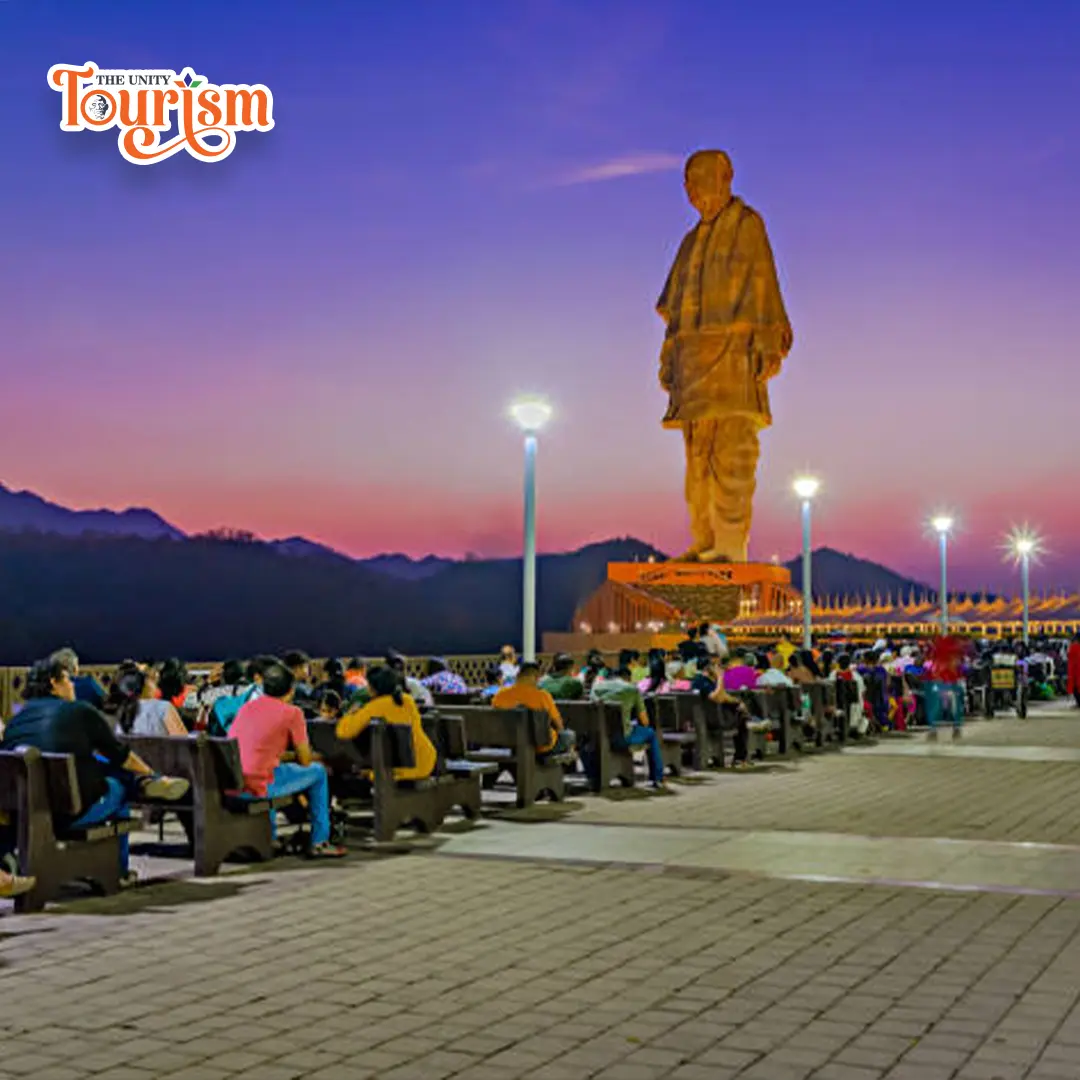
The statue of unity has gradually emerged as one of India’s most preferred destinations for school picnics and educational study tours. Beyond being a national monument, the Kevadia tourism zone offers a well-structured environment with regulated infrastructure, learning-focused attractions, and controlled visitor movement—making it suitable for organised student groups.
For schools, teachers, and parents, the key concern is always suitability:
Is the Statue of Unity appropriate for different age groups, and can a large student visit be managed safely?
This guide answers those questions clearly, focusing on educational relevance, supervision, safety, and practical group planning.
Key Information: Statue of Unity School Picnic Overview
| Aspect | Details |
|---|---|
| Location | Kevadia, Gujarat (Statue of Unity Complex) |
| Visit Type | Educational picnic / study tour |
| Ideal Age Group | Classes 1–12 (age-wise itinerary planning required) |
| Time Required | Half-day or full-day (school-dependent) |
| Learning Focus | History, civics, geography, environment |
| Campus Safety | Controlled entry, shuttle transport, medical support |
| Group Suitability | Highly suitable for organised school groups |
| Official statue of unity tickets Website | theunitytourism.com |
Why Schools Choose the Statue of Unity for Educational Picnics
The Statue of Unity complex is designed to manage large visitor volumes efficiently through:
-
Regulated entry systems
-
Internal shuttle transport
-
Clearly marked zones and pathways
-
Dedicated parking for buses and coaches
These features make it easier for schools to supervise students compared to open or unregulated tourist locations.
Schools commonly select this destination because it offers:
-
Strong national and cultural significance
-
Organised visitor movement
-
Multiple educational attractions within one campus
-
Infrastructure suitable for large student groups
This balance of learning, safety, and organisation makes the Statue of Unity a practical choice for school excursions.
Educational Value Across the School Curriculum
A school picnic to the statue of unity package naturally supports multiple academic subjects without requiring specialised instruction.
Learning Areas Covered
-
History & Civics: Life, leadership, and national contributions of Sardar Vallabhbhai Patel
-
Geography: Narmada River system, dam projects, and regional landscape
-
Social Studies: Nation-building, unity, governance, and leadership values
-
Environmental Studies: Eco-parks, gardens, sustainability, and biodiversity
Students benefit by connecting classroom theory with real-world observation.
Age-Wise Suitability for Student Groups
The experience can be customised based on age, attention span, and academic level.
| Student Group | Learning Focus | Suitable Areas |
|---|---|---|
| Primary (Classes 1–5) | Visual learning, basic awareness | Gardens, open spaces |
| Middle (Classes 6–8) | Civics and geography | Statue base, exhibitions |
| Secondary (Classes 9–12) | Leadership, engineering, planning | Viewing gallery, museums |
Teachers often design shorter, activity-based itineraries for younger students to avoid fatigue.
Student-Friendly Attractions Within the Kevadia Campus
Several locations within the Statue of Unity tourism zone are commonly included in school itineraries:
-
Statue of Unity monument area
-
Exhibition and interpretation centres
-
Valley of Flowers
-
Arogya Van
-
Children’s Nutrition Park
These attractions are laid out for guided group movement, making them manageable for supervised school visits.
Student Experience: Practical Considerations for Schools
Before finalising a school picnic, it is important to set realistic expectations:
-
The campus involves moderate walking, especially for older students
-
Younger students engage best with visual and open-air attractions
-
The visit is primarily educational and observational, not amusement-based
-
Adequate rest breaks improve attention and learning outcomes
Schools that plan relaxed, well-paced schedules generally report better student engagement.
Safety, Supervision & On-Campus Management
Safety is one of the strongest reasons schools prefer the Statue of Unity complex.
Key safety features include:
-
Controlled entry and exit points
-
Shuttle buses for internal travel
-
Clear signage and designated walking routes
-
Availability of basic medical facilities
Schools typically assign teachers and group leaders to smaller batches to maintain coordination and discipline throughout the visit.
Group Booking & Ticketing for School Visits
School visits usually follow a structured group booking process.
General Group Booking Guidelines
-
Advance planning is strongly recommended
-
Schools may need to share group size and age details
-
Entry slots are usually time-bound
-
Tickets are issued collectively rather than individually
For the latest procedures and availability, schools should refer to theunitytourism.com or authorised booking channels such as theunitytourism.com.
Transport & Internal Movement for Student Groups
Efficient movement is essential when managing large groups.
-
Schools generally arrive in hired buses or coaches
-
Designated parking areas accommodate large vehicles
-
Shuttle services reduce long walking distances
-
Clearly marked walking routes improve safety
This system helps minimise crowding and confusion during peak visiting hours.
Frequently Asked Questions
Is the Statue of Unity suitable for primary school students?
Yes, with age-appropriate attractions and close supervision.
Can schools book group tickets?
Yes, group booking options are generally available through official or authorised platforms.
Is it suitable for a one-day school picnic?
Yes, many schools successfully plan single-day educational visits.
Are learning resources available on-site?
Yes, exhibitions and interpretation centres support student learning.
Is the campus safe for large school groups?
The complex is designed to manage high visitor volumes with controlled access.
Does the visit involve too much walking?
Some walking is involved, but shuttle services help manage distances.
How Schools Commonly Plan Their Visit
Most schools choose non-peak days, assign clear group leaders, brief students in advance on behaviour expectations, and set learning objectives before arrival. A well-planned itinerary ensures students gain educational value while enjoying a structured outdoor experience.
Disclaimer:
This article is an independent planning guide and is not affiliated with or managed by the authorities operating the Statue of Unity or its ticketing system. Entry rules, pricing, and facilities may change. For planning assistance, schools may refer to authorised tourism platforms such as theunitytourism.com.

 English
 Arabic
 French
 Spanish
 Portuguese
 Deutsch
 Turkish
 Dutch
Dutch
 Italiano
 Russian
 Portuguese (Brazil)
 Greek
Greek