

Food Delivery App Solutions for Modern and Growing Food Businesses
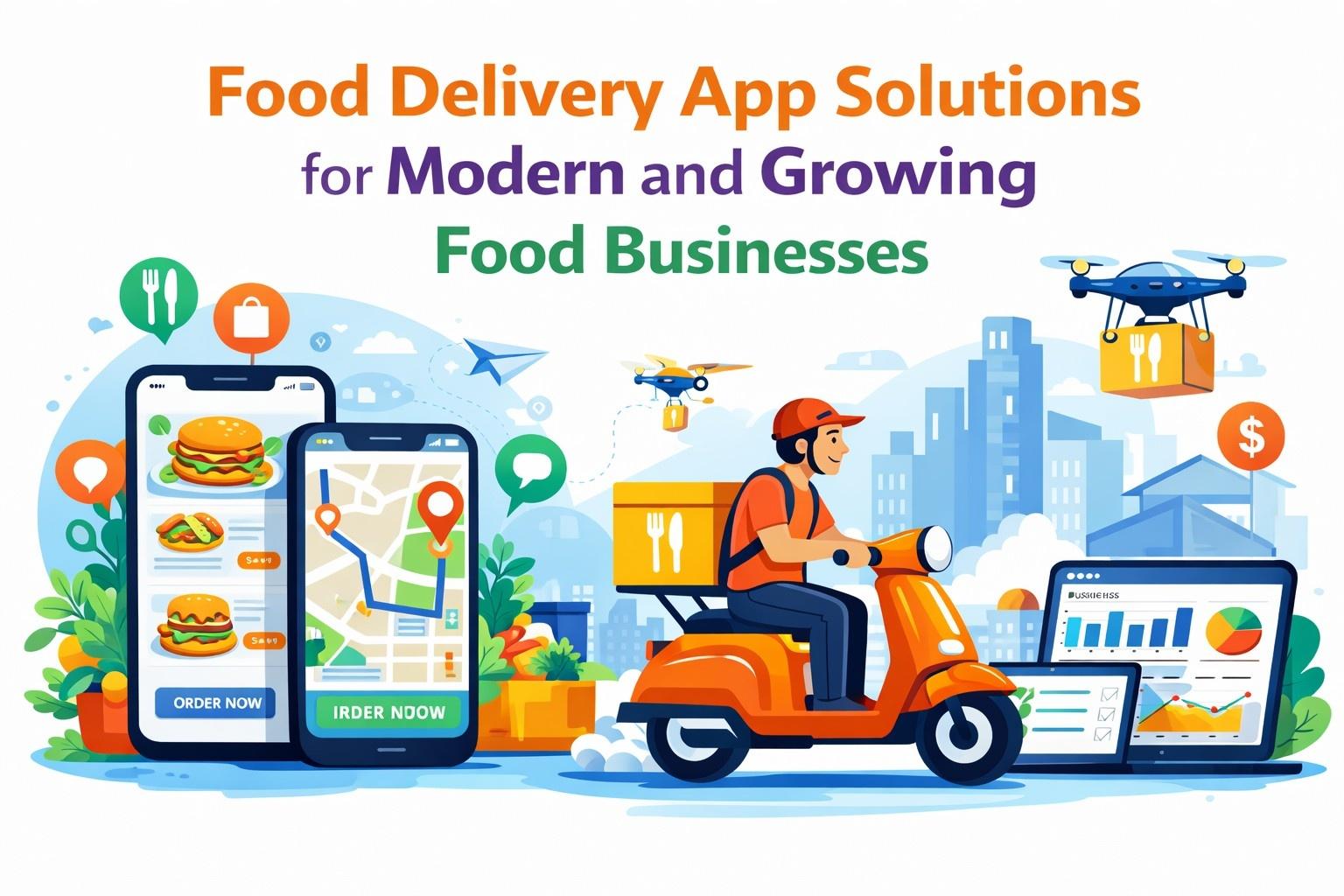
In today's fast-paced world, food delivery apps have revolutionized the way consumers access dining options, leading to a significant transformation in the food industry. As modern and growing food businesses strive to meet the ever-evolving demands of their customers, the importance of implementing effective food delivery solutions has never been greater. These applications not only streamline the ordering process but also enhance customer engagement, foster brand loyalty, and provide valuable insights into consumer behavior. This article explores the key components of successful food delivery app solutions, offering insights for food businesses looking to thrive in a competitive marketplace.
The Evolution of Food Delivery Apps
Historical Overview of Food Delivery Services
From humble beginnings, where pizza was the reigning champion of delivery, food delivery has transformed dramatically. The era of calling local restaurants and begging them to bring your hot wings to your front door paved the way for a revolution in convenience. Fast forward to the early 2000s, and delivery services started to embrace the internet, with platforms like Grubhub and Seamless leading the charge, making it easier than ever to order food without a single awkward phone call. Now, we've got apps that can deliver sushi, vegan tacos, and that strange new fusion cuisine you swore you'd never try—all with just a swipe of your finger.
Impact of Technology on Food Delivery
Technology has turned the food delivery landscape into a high-tech feast. From GPS tracking that ensures you can see exactly how close your burrito is, to AI algorithms predicting your cravings before you even open the app, the influence is undeniable. Mobile payment options, loyalty rewards, and even chatbots that can handle your customer service queries are now commonplace. In this tech-savvy age, ordering food is like playing a video game—except the reward is a delicious meal instead of a high score.
Consumer Behavior Changes in the Digital Age
Gone are the days when people would venture out into the wild (a.k.a. the parking lot) to pick up a meal. Today, convenience is king, and consumers expect instant gratification. We’re living in an age where the most significant relationship we have is with our delivery driver, and the quickest way to our hearts is through a delicious app notification. Trends show a growing preference for home dining experiences—fine dining in sweatpants, if you will—fueled by the rise of food delivery. Customers are also more inclined to explore diverse cuisines, thanks to their trusty apps, transforming them into adventurous eaters without the need for a passport.
Key Features of Successful Food Delivery Solutions
User Interface and Experience Design
When it comes to food delivery apps, the user interface is like a welcoming restaurant ambiance. It needs to be easy on the eyes and simple to navigate. If your app looks like it was designed in the '90s, expect users to bail faster than a delivery driver on a bad route. A slick design with intuitive navigation keeps customers happy and coming back for more deliciousness. Plus, let’s face it, nobody wants to wrestle with a clunky app when they're craving their favorite dish.
Order Tracking and Real-Time Updates
Nothing says "I’m ready to eat" like seeing your food’s journey in real-time. Order tracking is essential; it’s like a game of “Where’s Waldo?” but with your pepperoni pizza. Customers want to know when their food is on the way—no one likes to be left wondering if their delivery is stuck in traffic or lost in a culinary Bermuda Triangle. Providing real-time updates creates excitement and keeps the customer engaged, and let’s be honest, it’s a great way to distract them from their rumbling stomachs.
Payment Gateway Integration
Streamlined payment processing is the magic key to a user-friendly experience. Nobody has time to fumble with outdated payment methods or, heaven forbid, unexpected fees. Integrating various payment gateways allows customers to pay using their method of choice, be it credit cards, PayPal, or even that trendy new cryptocurrency that nobody really understands. Making payments smooth and straightforward means less abandoned carts and more happy eaters.
Customization and Personalization Options
Today’s customers are not just looking for food; they’re looking for food that fits their lifestyle—vegan, gluten-free, extra spicy, hold the onions, you name it! Customization options are a must-have. Apps that allow users to tailor their orders are like the whisperers of the culinary world, meeting each customer’s unique preferences with open arms. Personalization, such as recommending dishes based on past orders, transforms the user experience from standard to stellar.
Choosing the Right Platform for Your Business
Comparing Third-Party vs. Custom Solutions
Deciding between third-party platforms like Uber Eats and custom solutions is the age-old dilemma of convenience versus control. Third-party apps provide a quick, easy solution with built-in customer bases, but they also take a cut of your profits. Custom solutions, while more intricate to develop, give you full reign over your branding and customer relationships. Think of it like owning a food truck versus renting a booth at a music festival—both have their merits, but one offers you much more autonomy.
Scalability and Flexibility Considerations
As your food business grows, so should your delivery capabilities. Choosing a platform that can scale with you is crucial, especially if you're dreaming of going from a single location to a multi-state empire. Flexibility in adapting to new trends and customer demands is equally important. You don’t want to invest in a solution that feels like it’s stuck in the past—opt for platforms that are ready to evolve with your ambitions.
Cost Analysis: Initial Investment and Ongoing Fees
Let’s talk dollars and cents! When evaluating platforms, it's essential to consider both the initial investment and the ongoing fees. Third-party services can have hidden costs that eat into your profits, while custom builds may require a larger upfront budget. Be sure to crunch the numbers and assess the long-term financial impact. Remember, the best solution should not only support your current business model but also help pave the way for future growth without breaking the bank.
Integrating Technology: Point of Sale and Inventory Management
Benefits of POS Integration with Delivery Apps
Integrating your delivery app with a Point of Sale (POS) system is like marrying an efficient chef to a skilled waiter—they just work better together! A seamless POS integration ensures that orders are processed quickly and accurately, reducing human error and speeding up service. Plus, it streamlines your payment process, making life easier for both your staff and customers. This tech-savvy duo means more satisfied diners and less stress in the kitchen.
Streamlining Inventory Management
Managing inventory can feel as overwhelming as cooking for a crowd without a recipe, but technology is here to save the day! Integrating inventory management with your delivery app allows for real-time updates on stock levels, helping you avoid the dreaded “sorry, we’re out of it” conversations. Automated inventory tracking means you're always in control, ensuring that you have the right ingredients when creativity strikes—like when that sudden need for spicy tuna rolls hits.
Data Analytics for Improved Operations
Data is the new oil, especially when it comes to food delivery operations. By harnessing data analytics, you gain insights into customer behavior, order patterns, and operational efficiencies. This treasure trove of information helps you make decisions that drive sales and enhance the customer experience. Whether it’s knowing the best time to push promotions or identifying your most popular dishes.
Data Marketing Strategies for Food Delivery Services
Building Brand Awareness in a Competitive Market
In the bustling landscape of food delivery, standing out is as crucial as the secret sauce in your grandma's recipe. To build brand awareness, invest in unique branding elements—think clever logos, catchy taglines, and deliciously engaging content. Partner with local influencers who genuinely love your food (and are not just in it for the free pizza). Local events are also golden opportunities; get your food in front of hungry faces and watch word-of-mouth do its magic.
Utilizing Social Media for Engagement
Let’s face it: social media is the lifeblood of modern marketing. Platforms like Instagram and TikTok are not just for cat videos (although, let’s be honest, those are great too). Use stunning food photography, behind-the-scenes videos, and interactive polls to engage your audience. Regularly posting fresh content keeps your brand at the forefront of customers’ minds. Plus, user-generated content (UGC) is like free advertising—encourage guests to share their experiences and feature them on your page for that community feel!
Incentives and Promotions to Attract Customers
Who doesn’t love a good deal? Offering incentives like discounts, referral bonuses, or loyalty programs can turn casual browsers into loyal customers faster than you can say “extra cheese.” Consider limited-time promotions or themed nights to create urgency and excitement. Bonus points if you can incorporate local ingredients or seasonal specials. Remember, if your customers are happy, they’re more likely to spread the word—and we all know that’s priceless.
Enhancing Customer Experience through User-Friendly Interfaces
The Importance of Intuitive Navigation
In the food delivery world, your app is your storefront, and nobody wants to navigate a digital maze just to order a burger. An intuitive interface means users can find their favorite dishes faster than they can say “add to cart.” Ensure easy access to menus, clear categorization, and a quick checkout process. Bonus features, like saving favorite orders or one-click reordering, can make the experience smooth as butter.
Incorporating Customer Feedback in Design
Your customers are your best critics—and they should be. Encourage feedback through surveys or social media and take their suggestions to heart. If they’re expressing frustration over a feature, it’s time to listen up! Regular updates based on user input not only improve the app but also show customers that you value their opinions. After all, an app that evolves with its users is like a fine wine: it only gets better with age.
Accessibility Features for Diverse Users
In our increasingly diverse world, accessibility shouldn’t be an afterthought—it should be a foundation. Features like voice commands, adjustable font sizes, and screen-reader compatibility ensure that everyone, regardless of ability, can enjoy your food. Remember, a more inclusive app is not just good ethics; it’s good business. Everyone deserves a delicious meal and a seamless ordering experience!
Navigating Delivery Logistics and Partnerships
Choosing the Right Delivery Partners
Not all delivery services are created equal. When choosing partners, consider their reliability, coverage, and, of course, reputation. Do they have a history of lost orders? Are they known for timely deliveries? Vet your partners carefully—after all, your brand’s reputation is riding shotgun with them. Establishing strong relationships with delivery personnel can also lead to better service and, ultimately, happier customers.
Managing Delivery Times and Reliability
Customers love their food hot and fast, so honing in on delivery times is crucial. Set realistic expectations based on your kitchen output and delivery partners’ capabilities. Incorporate real-time tracking features in your app so customers know exactly when to expect their feast. And remember: if something goes wrong, communicate! A simple update can turn a frustrated customer into a loyal one.
Cost Management in Delivery Operations
Nothing says “I love my customers” like competitive pricing, but how do you keep costs down without sacrificing quality? Analyze your delivery expenses and look for areas to streamline. This might mean consolidating orders or negotiating better rates with delivery partners. Offering a delivery minimum can also help absorb costs. Just remember: what you save in delivery shouldn’t come at the expense of customer satisfaction.
Future Trends in Food Delivery Applications
Automation and AI in Delivery Processes
The future is here, and it’s automated! From chatbots handling customer inquiries to AI optimizing delivery routes, technology is set to revolutionize food delivery. Imagine drones swooping down with your pizza or robots delivering sushi—yes, please! Embrace these tools to enhance efficiency and reduce delivery times. Just don’t forget to keep things personal; personalization goes a long way in keeping customers engaged.
Impact of Sustainability on Food Delivery Choices
Consumers today are increasingly eco-conscious, so offering sustainable packaging, carbon-neutral deliveries, or partnering with local farms can give your brand a serious edge. Make your commitment to sustainability clear in your marketing efforts. Not only does it resonate with customers, but it’s also the right thing to do. Everyone loves a brand that cares for the planet as much as they care for their food!
Predictions for Market Growth and Changes
The food delivery market isn’t slowing down; it’s growing faster than you can devour a double cheeseburger! As more consumers turn to delivery, staying ahead of trends like ghost kitchens or subscription meal services will be vital. Keep your ears to the ground (and your eyes on the data) to anticipate customer needs and preferences. Remember, the key to thriving in this ever-evolving landscape is adaptability—and a good sense of humor never hurts!In conclusion, adopting the right food delivery app solutions is essential for modern food businesses aiming to succeed in an increasingly competitive environment. By understanding the key features, integrating technology effectively, and implementing strategic marketing approaches, businesses can enhance customer experiences and drive growth. As the landscape continues to evolve, staying informed about the latest trends and innovations will enable food businesses to adapt and thrive in the dynamic world of food delivery.
FAQ
What are the essential features to look for in a food delivery app?
Key features include an intuitive user interface, real-time order tracking, secure payment integration, and customizable options for users.
How can small food businesses benefit from food delivery apps?
Food delivery apps can help small businesses reach a wider audience, streamline operations, enhance customer engagement, and ultimately increase sales.
Is it better to use a third-party delivery service or develop a custom app?
It depends on your business goals; third-party services offer quick access to a large customer base, while a custom app allows for tailored features and branding but requires a higher initial investment.
What trends should food businesses watch in the food delivery market?
Businesses should pay attention to automation and AI advancements, sustainability practices, and evolving consumer preferences towards convenience and personalization.

 English
 Arabic
 French
 Spanish
 Portuguese
 Deutsch
 Turkish
 Dutch
Dutch
 Italiano
 Romaian
 Portuguese (Brazil)
 Greek
Greek