

Best Practices for Substation Testing and Maintenance
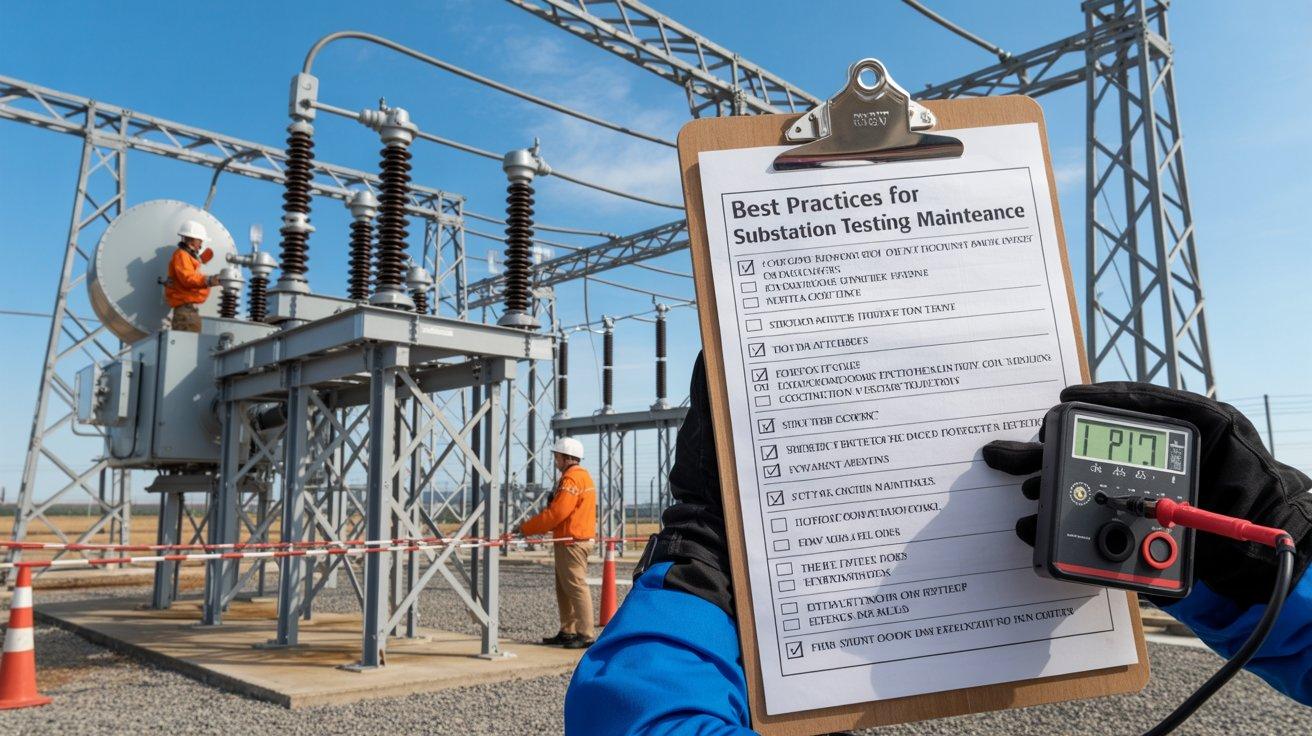
Reliable power systems begin at the substation. As the backbone of electrical transmission and distribution networks, substations play a critical role in ensuring uninterrupted electricity flow. From industrial facilities to residential areas, every sector depends on substations operating safely and efficiently.
Companies like Belenus Power understand how vital proper substation testing and maintenance are for long-term system reliability. With increasing power demand, aging infrastructure, and stricter safety standards, adopting best practices is no longer optional—it’s essential.
Understanding the Role of Substations in Power Systems
Substations serve as control points where voltage levels are transformed, circuits are protected, and power flow is monitored. They connect generation sources to transmission lines and ultimately to end users.
Because substations handle high voltages and complex equipment, even minor failures can result in large-scale outages, equipment damage, or safety hazards. This makes structured testing and maintenance a core responsibility for utilities and power service providers.
Why Substation Testing and Maintenance Matter
Routine testing and maintenance help detect issues before they escalate into failures. Problems such as insulation breakdown, overheating connections, or relay malfunctions often develop gradually and can go unnoticed without proper checks.
Effective maintenance not only improves system reliability but also extends equipment life, reduces downtime, and enhances safety for personnel. In the long run, it significantly lowers operational and replacement costs.
Types of Substation Maintenance Strategies
Substation maintenance is not a one-size-fits-all process. Different strategies are applied based on equipment condition, criticality, and operational goals.
Preventive Maintenance
Preventive maintenance follows a scheduled approach. Equipment is inspected, tested, and serviced at fixed intervals regardless of its apparent condition. This method reduces unexpected failures and ensures consistent performance.
However, preventive maintenance requires careful planning to avoid unnecessary downtime or over-maintenance of healthy equipment.
Predictive Maintenance
Predictive maintenance relies on condition monitoring and data analysis. Techniques such as thermal imaging, vibration analysis, and partial discharge testing help predict failures before they occur.
This approach is more cost-effective over time, as maintenance is performed only when indicators show deterioration or abnormal behavior.
Corrective Maintenance
Corrective maintenance is reactive and performed after a fault or failure has occurred. While unavoidable in some cases, relying heavily on corrective actions can lead to extended outages and higher costs.
Best practices focus on minimizing corrective maintenance by strengthening preventive and predictive programs.
Essential Substation Testing Practices
Testing is the foundation of any effective maintenance program. It verifies equipment health, confirms proper operation, and ensures compliance with safety standards.
Transformer Testing
Transformers are among the most critical and expensive substation assets. Routine testing includes insulation resistance tests, winding resistance measurements, and oil analysis.
Dissolved gas analysis, in particular, provides early warning signs of internal faults such as overheating or arcing, allowing timely intervention.
Circuit Breaker Testing
Circuit breakers protect substations from overloads and faults. Testing ensures they operate correctly under fault conditions and within specified time limits.
Mechanical inspections, contact resistance testing, and timing analysis are essential to verify breaker performance and reliability.
Relay Protection Testing
Protective relays act as the brain of the substation, detecting faults and initiating corrective actions. Relay testing confirms accurate settings, communication, and response times.
Regular testing ensures that faults are isolated quickly, preventing damage to equipment and minimizing service interruptions.
Grounding System Testing
A proper grounding system is critical for safety. Ground resistance testing verifies that fault currents can safely dissipate into the earth.
Poor grounding can expose personnel to dangerous step and touch voltages, making this testing a top priority.
Best Practices for Effective Substation Maintenance
Following structured best practices helps organizations achieve consistency, safety, and long-term performance.
Develop a Comprehensive Maintenance Plan
A clear maintenance plan outlines inspection schedules, testing procedures, documentation requirements, and safety protocols. It should be tailored to the substation’s size, age, and criticality.
Well-documented plans also help standardize work across teams and ensure regulatory compliance.
Prioritize Safety at Every Stage
Substation environments are inherently hazardous. Lockout-tagout procedures, proper personal protective equipment, and safety training must be strictly enforced.
Routine safety audits and drills further reduce the risk of accidents and ensure preparedness during emergencies.
Maintain Accurate Records and Documentation
Maintenance logs, test results, and inspection reports provide valuable historical data. These records help identify trends, predict failures, and support asset management decisions.
Digital maintenance management systems can improve data accuracy and accessibility across teams.
Train and Upskill Maintenance Personnel
Technology in substations continues to evolve. Ongoing training ensures technicians are familiar with modern testing tools, digital relays, and automation systems.
Skilled personnel not only perform tasks more efficiently but also identify potential issues that automated systems may miss.
The Role of Technology in Modern Substation Maintenance
Advancements in technology have transformed how substations are monitored and maintained.
Online condition monitoring systems provide real-time data on temperature, load, and insulation health. Remote diagnostics reduce the need for frequent site visits and improve response times during emergencies.
Digital substations, combined with intelligent electronic devices, allow predictive analytics and data-driven maintenance strategies that significantly improve reliability.
Common Challenges and How to Overcome Them
Many organizations face challenges such as aging infrastructure, limited budgets, and skilled labor shortages. These issues can compromise maintenance effectiveness if not addressed proactively.
Prioritizing critical assets, adopting predictive maintenance, and partnering with experienced service providers can help overcome these challenges without excessive costs.
Long-Term Benefits of Proper Substation Maintenance
Consistent testing and maintenance deliver measurable long-term benefits. These include reduced outages, improved system stability, enhanced safety, and extended equipment life.
Organizations that invest in structured maintenance programs also gain better regulatory compliance and stronger trust from customers and stakeholders.
Conclusion
Substation testing and maintenance are not just technical requirements—they are strategic investments in reliability, safety, and performance. As power systems grow more complex, adopting best practices becomes increasingly important.
By combining structured maintenance strategies, advanced testing techniques, skilled personnel, and modern technology, substations can operate efficiently for decades. Partnering with knowledgeable industry leaders like Belenus Power ensures that substations remain resilient, compliant, and ready to meet future energy demands.

 English
 Arabic
 French
 Spanish
 Deutsch
 Turkish
 Dutch
Dutch
 Italiano
 Russian
 Romaian
 Portuguese (Brazil)
 Greek
Greek