

Palm Oil Prices: Market Trends, Cost Drivers & Strategic Procurement Insights
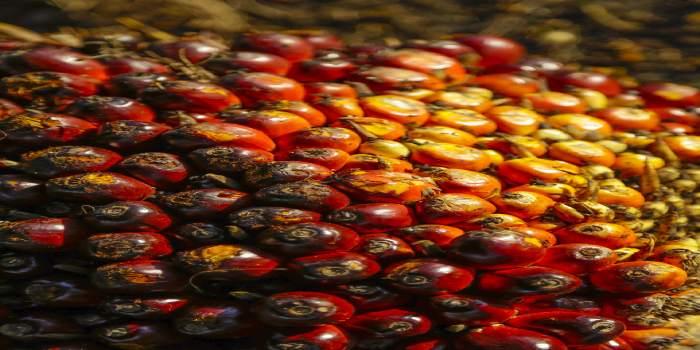
Understanding Palm Oil Prices is essential for manufacturers, procurement managers, and supply chain professionals across food processing, oleochemicals, personal care, biofuels, and industrial sectors. Palm oil is one of the most widely used vegetable oils in the world, valued for its versatility, efficiency, and cost competitiveness.
Because palm oil sits at the intersection of agriculture, energy, and global trade, its pricing is influenced by several interconnected factors. Monitoring these trends helps businesses manage raw material costs, plan purchases, and reduce exposure to sudden market shifts.
👉 👉 👉 Please Submit Your Query For Palm Oil Prices, Forecast And Market Analysis: https://www.price-watch.ai/book-a-demo/
Overview of the Current Palm Oil Market
The global palm oil market continues to play a central role in the edible oils and industrial fats landscape. Palm Oil Prices have experienced periodic fluctuations in recent years, reflecting changes in supply, demand, and external economic conditions.
Demand remains steady due to palm oil’s wide application in food products, soaps, detergents, cosmetics, and biodiesel. At the same time, production levels depend heavily on agricultural output, weather conditions, and plantation efficiency. For procurement teams, understanding this balance between supply and demand is critical to cost control and sourcing stability.
Key Factors Influencing Palm Oil Prices
Several practical factors shape the movement of Palm Oil Prices. These are commonly observed across global commodity markets and are based on real industry experience.
Agricultural Production and Weather Conditions: Palm oil supply is directly linked to palm fruit harvests. Weather patterns such as excessive rainfall, droughts, or climate disruptions can impact yields. Lower output often tightens supply, leading to higher prices.
Global Demand from End-Use Industries: Palm oil is used across food manufacturing, personal care, oleochemicals, and energy applications. Strong demand from any of these sectors can support prices, while slower consumption can ease pricing pressure.
Energy and Input Costs: Energy plays a major role in cultivation, processing, and transportation. Changes in fuel and electricity costs influence overall production expenses and are often reflected in Palm Oil Prices.
Trade Policies and Export Regulations: Import duties, export taxes, quotas, and sustainability requirements affect global trade flows. Policy changes in major producing or consuming regions can quickly shift supply dynamics and pricing.
Logistics and Freight Conditions: Shipping costs, port congestion, and transportation availability impact the delivered cost of palm oil, particularly for import-dependent regions. Logistics challenges can add short-term price pressure.
Understanding these drivers allows supply chain professionals to anticipate price movements and adjust sourcing strategies proactively.
Regional Price Dynamics
Palm Oil Prices vary across regions due to differences in production capacity, consumption patterns, and trade exposure.
-
Southeast Asia: The world’s largest palm oil-producing region, where prices are closely linked to harvest performance and export volumes.
-
South Asia: A major importing region, where prices are influenced by import duties, currency movements, and freight costs.
-
Europe: Demand is driven by food processing and biofuel blending, with sustainability standards shaping sourcing and pricing.
-
Africa and Latin America: Growing consumption supports regional demand, while infrastructure and logistics influence local prices.
Recognizing regional variations helps procurement teams identify cost-effective sourcing opportunities and manage supply risks.
Market Challenges Affecting Pricing
Several challenges contribute to the volatility seen in Palm Oil Prices:
-
Climate Variability: Unpredictable weather can disrupt harvests and reduce supply.
-
Energy Market Fluctuations: Rising fuel and power costs increase processing and transport expenses.
-
Supply Chain Disruptions: Freight delays, port congestion, and geopolitical tensions affect delivery timelines and costs.
-
Sustainability and Compliance Costs: Certification and traceability requirements can increase operational expenses.
These challenges highlight the need for continuous market monitoring and flexible procurement planning.
Practical Procurement Strategies
To manage pricing uncertainty and ensure supply continuity, procurement and supply chain professionals can apply the following best practices:
-
Diversify Suppliers: Reduce reliance on a single region or supplier to spread risk.
-
Use Long-Term Contracts: Secure pricing during stable market periods to limit exposure to volatility.
-
Track Market Indicators: Monitor crop reports, energy prices, and freight trends for early signals of price changes.
-
Optimize Inventory Levels: Balance stock to handle demand fluctuations without tying up excess capital.
-
Build Strong Supplier Relationships: Collaboration improves reliability, transparency, and negotiation outcomes.
These strategies help organizations manage costs more effectively, even when Palm Oil Prices are changing.
Future Outlook
Looking ahead, Palm Oil Prices are expected to remain sensitive to agricultural conditions, global demand trends, energy markets, and trade policies. Continued use of palm oil across food, industrial, and energy sectors will support baseline demand. However, climate factors and sustainability initiatives will continue to shape market behavior.
Procurement teams that stay informed, agile, and data-driven will be better positioned to navigate future price movements and maintain supply chain resilience.
Conclusion
Palm oil remains a critical raw material for multiple industries worldwide. Palm Oil Prices reflect a complex mix of supply conditions, demand pressures, energy costs, and regulatory influences. For manufacturers, procurement managers, and supply chain professionals, understanding these drivers is essential for informed sourcing and cost management. Stay ahead of market changes by monitoring Palm Oil Prices with reliable insights and expert analysis. Make confident procurement decisions, optimize sourcing strategies, and strengthen your supply chain performance. Start using real-time market intelligence today to gain a competitive advantage.
About Price Watch™
Price Watch™ AI is an India-based, independent price reporting agency (PRA) that provides real-time price forecasts and data-driven insights into global raw material markets. It specializes in tracking prices, analyzing market trends, and delivering timely updates on plant shutdowns, supply disruptions, capacity expansions, and demand–supply dynamics. Price Watch™ AI reporting goes beyond prices to include grade-level insights, applications, and country-level demand intelligence you can trust. Powered by AI forecasting and over a decade of historical data, the Price Watch™ AI platform empowers manufacturers, traders, and procurement professionals to make faster, smarter decisions and turn market volatility into actionable opportunity.
Futura Tech Park,
C Block, 8th floor 334,
Old Mahabalipuram Road,
Sholinganallur, Chennai, Tamil Nadu, Pincode - 600119.
LinkedIn: https://www.linkedin.com/company/price-watch-ai/
Facebook: https://www.facebook.com/people/Price-Watch/61568490385598/
Twitter: https://x.com/pricewatchai
Website: https://www.price-watch.ai/

 English
 Arabic
 Spanish
 Portuguese
 Deutsch
 Turkish
 Dutch
Dutch
 Italiano
 Russian
 Romaian
 Portuguese (Brazil)
 Greek
Greek