

Terbium Prices: A Simple Look at a Rare Metal with Big Industrial Impact
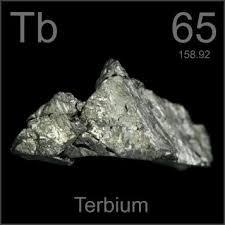
Terbium prices refer to the market cost of terbium, one of the rare earth elements used in advanced technologies and industrial applications. While most people rarely hear about terbium, it plays an important role in everyday products that depend on powerful, efficient magnetic and lighting solutions. Because terbium’s demand stems from real industrial use rather than speculation, its price trend reflects supply conditions, technological demand, global trade flows, and broader economic patterns.
👉 👉 👉 Please Submit Your Query for Terbium prices, demand-supply, suppliers, market analysis: https://www.price-watch.ai/book-a-demo/
What Terbium Is and Why It Matters
Terbium is a rare earth metal known for its unique physical and chemical properties. It is most commonly used in green phosphors for lighting and displays, such as those in energy-efficient fluorescent lamps, LED lights, and some television and monitor screens. Terbium also strengthens magnetic alloys, especially those used in high-performance motors and generators found in automotive systems, wind turbines, and advanced electronics.
Because these technologies are central to modern life and energy-efficient solutions, terbium is considered a strategic industrial material. Its price movements are therefore closely tied to the growth and health of industries that rely on rare earth elements.
Key Drivers of Terbium Prices
Industrial and Technological Demand
Terbium’s price is largely driven by industrial demand. As technology advances, demand for high-efficiency lighting, flat-panel displays, and powerful permanent magnets grows. Each of these applications requires small but vital amounts of terbium.
When manufacturers ramp up production of these technologies, demand for terbium increases, and prices tend to rise. Conversely, if manufacturing slows or alternative materials are adopted, demand may soften and prices can ease.
Supply Conditions and Rarity
A major factor influencing terbium prices is supply. Rare earth elements like terbium are not evenly distributed globally. A few regions and mining operations dominate production. Because terbium is produced only as a small part of broader rare earth mineral processing, its supply is inherently limited.
Any disruption in mining activity, changes in export policies, or regulatory shifts in major producing countries can affect availability and influence terbium prices. This limited supply relative to demand contributes to price sensitivity in the market.
Terbium in the Global Market
Terbium is traded internationally, and its price is influenced by global demand and supply dynamics. Because the market is relatively small compared to mainstream commodities like copper or aluminum, regional demand changes or export restrictions can have a noticeable impact on prices.
Currency exchange rates, freight costs, and trade policies also affect terbium pricing. For example, changes in shipping costs or tariffs can influence regional price differences even when global demand remains stable.
Production Costs and Environmental Factors
Producing terbium involves mining rare earth ores, refining them, and then separating terbium from other rare earth elements. This refinement process is complex and energy-intensive. When energy costs rise or environmental regulations tighten, production expenses increase. These higher costs can be reflected in terbium prices over time.
Environmental compliance — including dust control, waste management, and land rehabilitation — can increase operating costs for producers. While these measures support sustainable mining, they also shape the long-term pricing environment for terbium.
Recycling and Secondary Supply
As global demand for rare earth metals grows, recycling has become an important part of the supply picture. Recovering terbium from end-of-life products such as electronics, magnets, and lighting systems helps supplement mined supply and reduce dependence on primary mining.
While recycling currently represents only a portion of total terbium supply, improvements in recycling technologies and infrastructure may help stabilize prices over time by broadening the supply base.
Everyday Connection to Terbium
Most consumers never handle terbium directly, but they benefit from it in everyday technologies. Energy-efficient lighting, computer screens, and components in electric vehicles all rely on rare earth materials, including terbium. This hidden but widespread usage creates a stable baseline of demand that helps support terbium’s price trend across economic cycles.
Long-Term Outlook for Terbium Prices
Looking ahead, terbium prices are likely to remain influenced by the pace of technological adoption, industrial demand, and supply availability. As clean energy technologies and advanced electronics continue to expand, demand for terbium is expected to grow as well.
Advances in mining safety, environmental compliance, recycling, and alternative material research may also shape the future price landscape. However, because terbium supply is naturally limited and demand is tied to key technologies, its price trend will continue to be closely watched by industry participants.
Conclusion
Terbium prices are shaped by industrial demand, limited supply, technological innovation, and global market dynamics. As a rare earth element critical to energy-efficient lighting, advanced displays, and powerful magnets, terbium’s value reflects real economic use rather than speculative trading. While short-term price shifts can occur due to supply changes or demand cycles, the long-term trend for terbium prices is closely aligned with global manufacturing, clean energy adoption, and technological progress.
👉 👉 👉 Please Submit Your Query for Terbium prices, demand-supply, suppliers, market analysis: https://www.price-watch.ai/book-a-demo/
About Price Watch™ AI
Price-Watch AI is an India-based, independent raw material price reporting agency that provides real-time price forecasts and data-driven insights into global raw material markets. Price-Watch AI specializes in tracking raw material prices, analyzing market trends, and delivering timely updates on plant shutdowns, supply disruptions, capacity expansions, and demand-supply dynamics. The Price-Watch AI platform empowers manufacturers, traders, and procurement professionals to make faster, smarter decisions. Leveraging AI-powered forecasting and over a decade of historical data, Price-Watch AI transforms market volatility into actionable opportunity.
Futura Tech Park,
C Block, 8th floor 334,
Old Mahabalipuram Road,
Sholinganallur, Chennai, Tamil Nadu, Pincode - 600119.
LinkedIn: https://www.linkedin.com/company/price-watch-ai/
Facebook: https://www.facebook.com/people/Price-Watch/61568490385598/
Twitter: https://x.com/pricewatchai
Website: https://www.price-watch.ai/

 English
 Arabic
 French
 Spanish
 Portuguese
 Deutsch
 Turkish
 Dutch
Dutch
 Italiano
 Romaian
 Portuguese (Brazil)
 Greek
Greek