

Why Your Business Needs a Modern Real Estate Web Portal
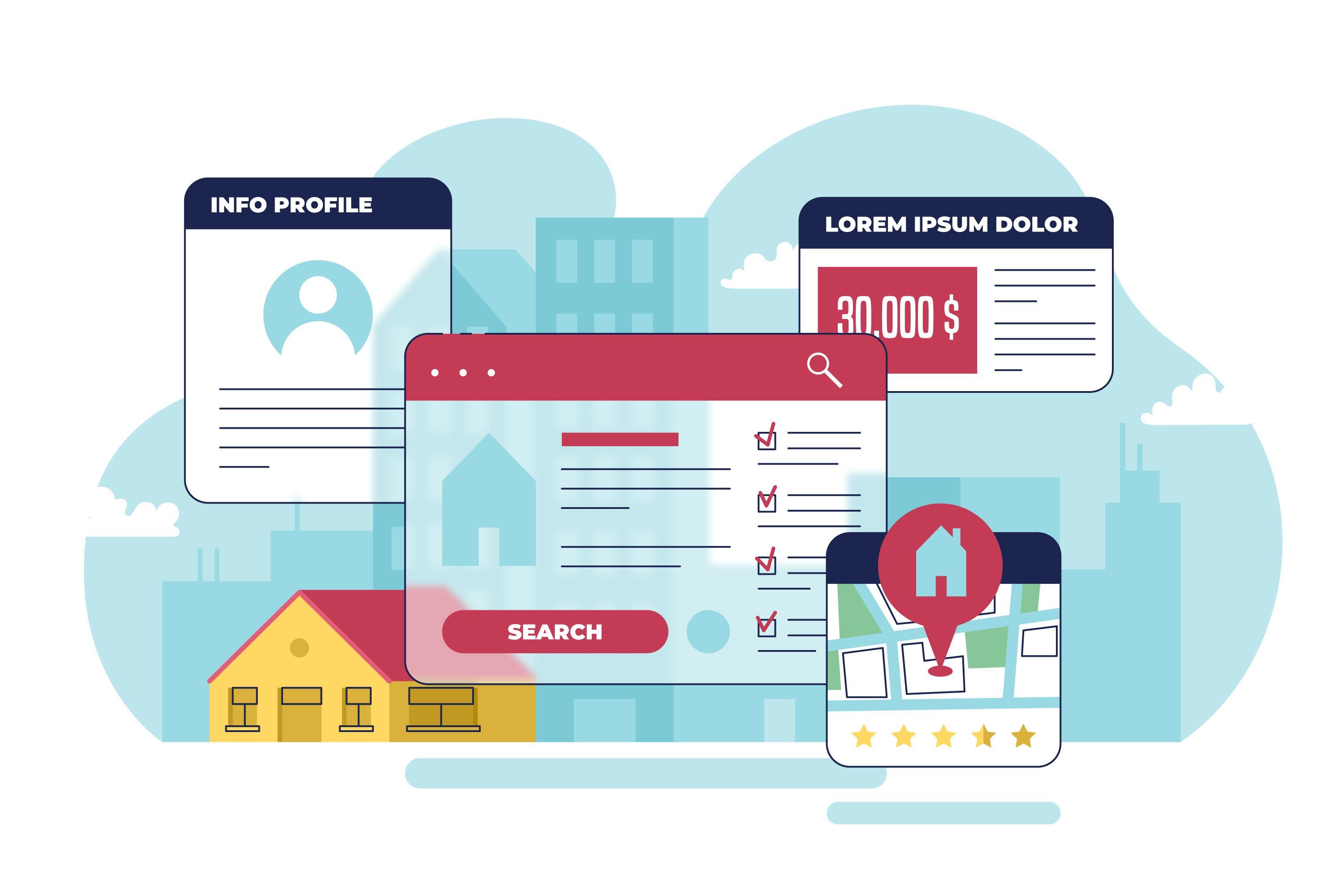
A modern real estate web portal is no longer a technical upgrade. It is a core business asset. Buyers and renters expect accurate listings, fast searches, and direct communication with agents. If a platform fails to meet these expectations, users move elsewhere within seconds.
Real estate firms that rely on outdated websites often struggle with slow load times, poor search tools, and limited analytics. A well-designed digital property platform improves visibility, supports lead generation, and strengthens brand credibility. The following sections explain what defines a modern portal and why it matters.
Defining a Modern Real Estate Web Portal
A modern platform goes beyond displaying properties. It connects users, agents, data systems, and marketing tools within a unified structure.
Key Characteristics of Modern Platforms
A Modern Real Estate Web Portal typically includes:
-
Structured property databases
-
Advanced search and filtering
-
User and agent dashboards
-
CRM integration
-
Mobile responsiveness
It also supports analytics and reporting. Administrators can monitor traffic, lead flow, and listing performance in real time. These features provide operational clarity that static websites cannot offer.
Modern platforms also emphasize speed and reliability. Research consistently shows that page delays beyond three seconds reduce user engagement. Performance, therefore, becomes a competitive factor.
Shift from Static Listings to Interactive Experiences
Traditional property websites functioned as digital brochures. Listings were displayed in basic grids with limited filtering options. User interaction was minimal.
Today, real estate website design trends focus on engagement. Features such as interactive maps, 360-degree tours, mortgage calculators, and neighborhood insights provide context. Users can compare properties, save searches, and communicate directly through chat interfaces.
This shift increases user retention. When visitors find useful tools within a single portal, they are less likely to search elsewhere.
Importance of Personalization
Personalization has become central to digital platforms across industries. Real estate is no exception.
A modern portal tracks user behavior and preferences. If a visitor frequently searches for two-bedroom apartments within a specific price range, the system can prioritize similar listings. Personalized email alerts and saved search notifications improve engagement.
Such personalization must be handled carefully. Data collection should comply with privacy regulations and remain transparent to users.
Design and UX Elements of a Modern Real Estate Web Portal
Design quality directly affects user trust. Poor navigation or cluttered layouts discourage serious buyers.
Mobile-First and Responsive Design
Mobile devices account for a significant share of property searches. A Modern Real Estate Web Portal must perform equally well on phones, tablets, and desktops.
Mobile-first design ensures:
-
Clear navigation menus
-
Touch-friendly buttons
-
Fast-loading images
-
Simplified search interfaces
Responsive layouts automatically adjust to screen size. This consistency builds confidence among users.
Fast Search and Smart Filters
Search is the most frequently used feature on any digital property platform. Users expect accurate results within seconds.
Effective search systems include:
-
Price sliders
-
Location-based filters
-
Property type selection
-
Keyword search for amenities
Smart filters allow users to combine criteria without slowing down the system. Backend indexing and caching are essential to maintain speed under heavy traffic.
Visual-Rich Property Displays and Virtual Tours
High-quality visuals influence purchasing decisions. Modern portals support:
-
Large image galleries
-
Video walkthroughs
-
3D virtual tours
-
Interactive floor plans
According to industry surveys, listings with professional visuals receive significantly more inquiries than those without. Visual clarity reduces uncertainty and shortens decision cycles.
Smart Features Powered by AI and Automation
Technology continues to shape user expectations. AI in real estate portals is no longer experimental. It is becoming standard practice.
Property Recommendation Engines
Recommendation systems analyze search history, saved listings, and browsing patterns. Based on this data, the platform suggests relevant properties.
For example, if a user regularly views suburban family homes within a defined budget, the system prioritizes similar listings on the homepage. This reduces search time and improves user satisfaction.
Such systems rely on structured data and consistent tagging of listings. Without organized data, recommendations become unreliable.
Chatbots and Automated Lead Qualification
Chatbots provide instant responses to common questions. They can collect user details, schedule property visits, and route inquiries to the appropriate agent.
Automated lead qualification systems assess user intent. For instance, users requesting mortgage information may be categorized differently from casual browsers. This segmentation allows agents to prioritize serious inquiries.
Automation does not replace human interaction. Instead, it supports agents by filtering routine queries.
Predictive Pricing Insights
Some advanced portals integrate predictive pricing tools. These tools analyze historical sales data, neighborhood trends, and market conditions.
Predictive models assist users in understanding whether a property is priced competitively. They also help agents adjust pricing strategies based on data rather than assumptions.
Accuracy depends on clean datasets and regular updates. Outdated data reduces credibility.
Integration with Marketing and CRM Systems
A modern real estate web portal should not operate in isolation. It must connect seamlessly with marketing and customer management tools.
Lead Tracking and Automation
Every inquiry should enter a structured pipeline. CRM integration allows:
-
Automatic lead assignment
-
Status tracking
-
Follow-up reminders
-
Conversion reporting
This systematic approach reduces the risk of missed opportunities. Agents can monitor their performance through dashboards and reports.
Email and SMS Integration
Communication remains central to real estate transactions. Automated email and SMS systems support:
-
Property alerts
-
Viewing confirmations
-
Follow-up messages
Scheduled communication keeps prospects engaged without overwhelming staff.
Social Media and Advertising Sync
Many property searches begin on social platforms. Integration allows listings to be shared directly to advertising channels.
For example:
-
Automatic posting of new listings
-
Retargeting ads based on user visits
-
Analytics linking ad performance to inquiries
This data-driven approach improves marketing accountability.
Security and Data Privacy in Modern Portals
Security concerns influence user trust. A breach can damage reputation and financial stability.
Secure Login and Authentication
Modern portals implement:
-
SSL encryption
-
Two-factor authentication
-
Role-based access controls
These measures reduce unauthorized access to sensitive information.
Data Protection Regulations
Compliance with regulations such as GDPR or local privacy laws is essential. Portals must clearly state how data is collected and used.
Users should have access to privacy settings and the ability to request data deletion. Transparent policies strengthen credibility.
Secure Payment and Document Upload Systems
Some digital property platforms support booking deposits or document uploads. Secure payment gateways and encrypted storage systems are mandatory.
Document management should include restricted access and audit logs. This protects contracts and personal records from misuse.
Conclusion
A modern real estate web portal strengthens business operations by combining structured data, intelligent search, personalized experiences, and secure infrastructure. It reflects current real estate website design trends while addressing user expectations for speed and clarity.
From AI in real estate portals to CRM integration and robust security measures, modern systems provide practical advantages. They improve lead management, user satisfaction, and operational transparency.
Businesses that invest in a well-designed digital property platform position themselves for long-term stability in a competitive market. The technology supports growth, but thoughtful planning and disciplined execution determine lasting success.

 English
 Arabic
 French
 Spanish
 Portuguese
 Deutsch
 Turkish
 Dutch
Dutch
 Italiano
 Romaian
 Portuguese (Brazil)
 Greek
Greek