

Arsenic Metal Prices: A Simple Look at a Unique Industrial Material
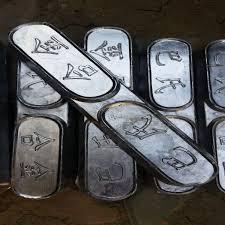
Arsenic metal prices refer to the market cost of arsenic — usually quoted per kilogram or tonne — in global raw material markets. Arsenic is a metalloid, meaning it has both metallic and non-metallic properties. Although arsenic often has a negative reputation because of its toxicity, it plays a real role in specific industrial applications. Because demand for arsenic comes mostly from practical use rather than investment or speculation, its price trend tends to follow real economic activity, supply conditions, and regulatory factors.
👉 👉 👉 Please Submit Your Query for Arsenic metal prices, demand-supply, suppliers, market analysis: https://www.price-watch.ai/book-a-demo/
What Arsenic Metal Is and Why It Matters
Arsenic is a naturally occurring element found in small amounts in the earth’s crust. In industry, arsenic is usually produced as a by-product of mining other metals, especially copper, gold, and lead. It is not mined directly on its own because its standalone deposits are rare.
Despite its limited use, arsenic metal and its compounds are important in several specialized applications. These include agricultural chemicals, wood preservatives, semiconductors, glass production, and certain alloys. In glass, small amounts of arsenic help remove impurities and improve clarity. In electronics, arsenic compounds are used in high-performance semiconductors. These real industrial uses — rather than widespread consumer demand — help shape arsenic metal prices.
Industrial Demand as a Driver of Arsenic Metal Prices
One of the main influences on arsenic metal prices is industrial demand. When sectors that use arsenic — such as electronics manufacturing or glass production — grow, the demand for arsenic tends to rise. At the same time, because arsenic is a by-product of other mining operations, its availability depends on the output of those primary metals. If copper or gold production rises, arsenic supply may increase as well, which can impact pricing.
Because arsenic demand is linked to industrial activity rather than consumer purchasing or investor behavior, arsenic prices often reflect the broader pace of manufacturing and production in key sectors.
How Supply Conditions Affect Arsenic Metal Prices
Since arsenic is not mined directly, its supply depends on changes in primary mining activity. If mining operations that produce arsenic as a by-product slow down or face regulatory restrictions, the available supply of arsenic metal may tighten. In such cases, arsenic metal prices can rise even if demand remains steady.
On the other hand, if primary metal mining expands, more arsenic may be recovered, potentially easing supply pressures and softening price movement. These supply-side dynamics often show up in the arsenic metal price trend over time.
Environmental and Regulatory Influence
Environmental and safety regulations have a strong influence on arsenic prices. Because arsenic is toxic and requires careful handling and disposal, regulatory requirements for mining, processing, and transport can increase production costs. Compliance with environmental standards may reduce available supply or increase the cost of bringing arsenic to market.
At the same time, regulations can affect industrial demand. For example, tighter restrictions on certain chemicals or wood preservatives may reduce arsenic use in some applications, which in turn affects overall demand and pricing.
Arsenic Metal Prices in the Global Market
Although arsenic is not widely traded like gold or copper, its price is still influenced by international supply and demand conditions. Global production patterns, trade policies, freight costs, and currency exchange rates can all have an impact on how arsenic metal is priced in different regions.
Because arsenic is mainly used in industrial and chemical applications rather than consumer products, price movements are often steadier and more closely aligned with real production activity rather than speculative trading.
Production Costs and Energy Impact
Producing arsenic metal from ore involves refining and purification steps that require energy, labor, and specialized equipment. When energy prices rise, production becomes more expensive. These cost increases can influence arsenic metal prices over time.
Similarly, labor costs and regulatory compliance costs can affect production expenses. These ongoing operating factors help shape how arsenic metal prices move in response to broader economic and industrial conditions.
Everyday Use and Hidden Demand
Most people never see arsenic metal directly, but they benefit from its industrial uses without realizing it. High-quality glass products, specialized electronic components, and even certain chemical processes rely on arsenic-related materials. This hidden but consistent demand helps support arsenic pricing over the long term.
Because the demand base is diversified across several niche industries, arsenic metal prices tend to reflect a balance of factors rather than dramatic swings tied to a single market.
Long-Term Outlook of Arsenic Metal Prices
Looking ahead, demand for arsenic metal is likely to remain tied to industrial and technological trends rather than consumer preferences. While some applications may evolve or shrink due to environmental considerations, other uses — especially in advanced electronics and specialized materials — may continue to support stable demand.
Efforts to improve arsenic recovery from mines and to enhance recycling could help balance supply pressures over time, contributing to more stable price trends.
Conclusion
Arsenic metal prices are shaped by industrial demand, supply availability tied to mining of other metals, energy and production costs, and regulatory factors. Because arsenic is used in specialized industrial applications rather than as a commodity for investment, its price movements tend to follow real manufacturing needs and broader economic conditions. While short-term changes can occur due to supply disruptions or regulatory shifts, long-term arsenic price trends are closely connected to steady industrial use and global production patterns.
👉 👉 👉 Please Submit Your Query for Arsenic metal prices, demand-supply, suppliers, market analysis: https://www.price-watch.ai/book-a-demo/
About Price Watch™ AI
Price-Watch AI is an India-based, independent raw material price reporting agency that provides real-time price forecasts and data-driven insights into global raw material markets. Price-Watch AI specializes in tracking raw material prices, analyzing market trends, and delivering timely updates on plant shutdowns, supply disruptions, capacity expansions, and demand-supply dynamics. The Price-Watch AI platform empowers manufacturers, traders, and procurement professionals to make faster, smarter decisions. Leveraging AI-powered forecasting and over a decade of historical data, Price-Watch AI transforms market volatility into actionable opportunity.
Futura Tech Park,
C Block, 8th floor 334,
Old Mahabalipuram Road,
Sholinganallur, Chennai, Tamil Nadu, Pincode - 600119.
LinkedIn: https://www.linkedin.com/company/price-watch-ai/
Facebook: https://www.facebook.com/people/Price-Watch/61568490385598/
Twitter: https://x.com/pricewatchai
Website: https://www.price-watch.ai/

 English
 Arabic
 French
 Spanish
 Portuguese
 Deutsch
 Turkish
 Dutch
Dutch
 Italiano
 Russian
 Romaian
 Portuguese (Brazil)