

Molybdenum Prices: A Simple Look at How They Move and Why They Matter
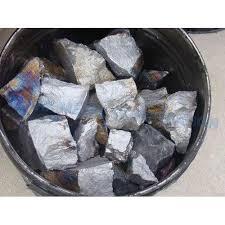
Molybdenum prices refer to the market value of molybdenum metal or molybdenum-based products, usually quoted per kilogram or per tonne. Molybdenum is a metal that most people never see directly, yet it plays a vital role in strengthening steel and other alloys used in everyday life. Because its demand is closely tied to real industrial activity — such as construction, energy production, and manufacturing — molybdenum prices tend to follow broad economic patterns rather than short-term speculation.
👉 👉 👉 Please Submit Your Query for Molybdenum prices, demand-supply, suppliers, market analysis: https://www.price-watch.ai/book-a-demo/
What Molybdenum Is and Why It’s Important
Molybdenum is a silvery-white metal valued for its high melting point, strength, and resistance to heat and corrosion. It is widely used as an alloying element in steel to improve durability and performance. For example, molybdenum-enhanced steel is used in pipelines, bridges, vehicles, power plants, oil and gas equipment, as well as in tools and machinery. These applications show how molybdenum supports infrastructure and everyday products in ways most consumers never notice.
Since molybdenum improves strength and service life, industries prefer it where long-lasting materials are essential. This real, practical demand shapes the molybdenum price trend over time.
Industrial Demand and Its Influence on Prices
One of the biggest factors influencing molybdenum prices is industrial demand, especially from the steel and manufacturing sectors. When construction projects expand, automotive and machinery production increases, and energy infrastructure grows, the use of molybdenum-containing steel tends to rise. Higher industrial output usually translates into stronger demand for molybdenum, supporting higher prices.
In contrast, during periods of slower economic growth, demand for heavy manufacturing products may soften, which can ease price pressure on molybdenum. In other words, molybdenum prices often reflect the general strength or weakness of real industrial demand.
Supply Conditions and Mining Output
Molybdenum is produced both as a primary mineral and as a by-product of copper mining. Because its supply is linked to mining activity, changes in mining output — such as expansions, shutdowns, or regulatory issues — can affect how much molybdenum is available. If supply tightens while demand stays steady, prices tend to rise. When production increases faster than demand, prices may soften.
Since molybdenum production depends partly on copper mining, trends in the copper market can indirectly influence molybdenum supply and pricing.
Energy Costs and Production Expenses
Producing molybdenum requires energy, machinery, and processing infrastructure. When energy costs — such as electricity and fuel — rise, production becomes more expensive. These higher costs can flow through to market pricing, contributing to increased molybdenum prices over time.
Similarly, improvements in production efficiency or technology can help lower costs, which may ease price pressures in the long term.
Global Market and Trade Influences
Molybdenum is traded internationally, and global economic conditions influence prices. Freight and logistics costs, exchange rates, and trade policies such as tariffs or export restrictions can affect how molybdenum prices vary by region.
Because molybdenum is used in basic industrial applications rather than as a financial asset, its price trend tends to mirror broader manufacturing activity rather than short-term speculative trading.
Environmental Regulations and Sustainable Production
Environmental regulations are increasingly important in mining and metallurgical industries. Compliance with emissions standards, land rehabilitation rules, and waste-handling regulations can raise production costs. These added expenses can influence how molybdenum prices move over time.
At the same time, sustainability initiatives — such as more efficient mining practices and improved recycling — are becoming part of how producers manage costs and supply. This long-term shift toward responsible production may help moderate extreme price swings.
Everyday Products and Hidden Demand
Most people interact with products supported by molybdenum without knowing it. Bridges, cars, machinery, pipelines, tools, and even household appliances often contain steel strengthened by molybdenum alloys. This hidden but widespread demand supports a baseline level of consumption that helps stabilize molybdenum pricing even when specific sectors slow down.
Because molybdenum’s use is spread across many industries rather than concentrated in one, its price trend tends to be influenced by overall economic activity.
Long-Term Outlook for Molybdenum Prices
Looking ahead, molybdenum demand is expected to remain closely tied to global industrial growth, construction activity, and technological development. Continued investment in infrastructure, energy systems, transportation networks, and manufacturing will support ongoing demand.
At the same time, advances in production methods and recycling may help balance long-term supply and demand, supporting stable pricing rather than sharp swings.
Conclusion
Molybdenum prices are shaped by industrial demand, mining output, energy and production costs, global trade conditions, and environmental regulations. Because molybdenum is a critical component in strong, durable materials used across many industries, its price trend reflects real-world economic activity. While short-term fluctuations can occur due to supply changes or cost shifts, long-term molybdenum prices tend to track steady demand from heavy industry and infrastructure development, making them an important indicator of manufacturing and construction trends.
👉 👉 👉 Please Submit Your Query for Molybdenum prices, demand-supply, suppliers, market analysis: https://www.price-watch.ai/book-a-demo/
About Price Watch™ AI
Price-Watch AI is an India-based, independent raw material price reporting agency that provides real-time price forecasts and data-driven insights into global raw material markets. Price-Watch AI specializes in tracking raw material prices, analyzing market trends, and delivering timely updates on plant shutdowns, supply disruptions, capacity expansions, and demand-supply dynamics. The Price-Watch AI platform empowers manufacturers, traders, and procurement professionals to make faster, smarter decisions. Leveraging AI-powered forecasting and over a decade of historical data, Price-Watch AI transforms market volatility into actionable opportunity.
Futura Tech Park,
C Block, 8th floor 334,
Old Mahabalipuram Road,
Sholinganallur, Chennai, Tamil Nadu, Pincode - 600119.
LinkedIn: https://www.linkedin.com/company/price-watch-ai/
Facebook: https://www.facebook.com/people/Price-Watch/61568490385598/
Twitter: https://x.com/pricewatchai
Website: https://www.price-watch.ai/

 English
 Arabic
 French
 Spanish
 Deutsch
 Turkish
 Dutch
Dutch
 Italiano
 Russian
 Romaian
 Portuguese (Brazil)
 Greek
Greek