

How Advanced Diagnostic Services Are Transforming Healthcare Outcomes
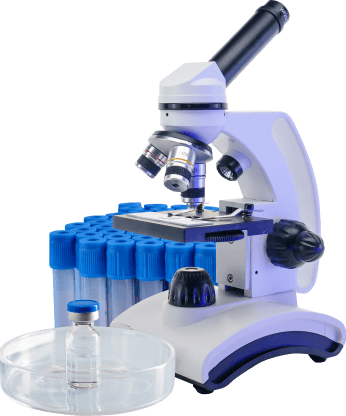
In today’s rapidly evolving healthcare and life sciences landscape, diagnostic services play a critical role in delivering accurate information that guides medical decisions, research outcomes, and patient care pathways. From early disease detection to treatment monitoring and preventive healthcare, diagnostic solutions are the foundation of evidence-based medicine.
As innovation continues to reshape healthcare, advanced diagnostic services are becoming more precise, faster, and more accessible than ever before. Organizations like InfinixBio Diagnostics are at the forefront of this transformation, offering reliable diagnostic solutions that support clinicians, researchers, and healthcare providers across diverse applications.
This comprehensive guide explores the importance, types, benefits, and future of diagnostic services and why they are essential to modern healthcare systems.
Understanding Diagnostic Services in Healthcare
Diagnostic services refer to a wide range of laboratory tests, imaging procedures, and analytical assessments designed to identify diseases, monitor health conditions, and evaluate treatment effectiveness. These services provide objective data that healthcare professionals rely on to make informed decisions.
Whether used in hospitals, research laboratories, or clinical trial environments, diagnostic services bridge the gap between symptoms and solutions. Accurate diagnostics reduce uncertainty, minimize trial-and-error treatments, and improve overall patient outcomes.
At their core, diagnostic solutions focus on:
-
Disease detection and confirmation
-
Risk assessment and screening
-
Monitoring disease progression
-
Evaluating therapeutic responses
Why Diagnostic Services Are Essential
Healthcare decisions depend heavily on data accuracy. Diagnostic Services ensure that clinicians and researchers have access to precise, validated, and reproducible results. Without reliable diagnostics, treatment plans may be delayed, ineffective, or even harmful.
Key reasons Diagnostic services are essential and include:
-
Early Detection: Identifying diseases at early stages improves survival rates and treatment success.
-
Personalized Care: Diagnostics enable tailored treatment strategies based on individual biomarkers.
-
Research Advancement: Reliable data accelerates innovation in drug development and clinical research.
-
Cost Efficiency: Accurate diagnostics reduce unnecessary treatments and hospitalizations.
Modern diagnostic services support proactive healthcare, shifting the focus from reactive treatment to prevention and early intervention.
Types of Diagnostic Services
1. Clinical Laboratory Diagnostics
Clinical laboratory testing is one of the most common forms of diagnostic services. These tests analyze blood, urine, tissue, and other biological samples to detect abnormalities or disease markers.
Common laboratory diagnostics include:
-
Hematology and blood chemistry tests
-
Immunoassays
-
Molecular diagnostics
-
Microbiology testing
These diagnostic services are vital for routine checkups, disease confirmation, and chronic condition management.
2. Molecular and Genetic Diagnostics
Molecular diagnostics focus on analyzing DNA, RNA, and proteins to detect genetic disorders, infectious diseases, and cancer-related mutations. These diagnostic services are especially important in precision medicine.
Applications include:
-
Oncology diagnostics
-
Infectious disease detection
-
Pharmacogenomics
-
Hereditary disease screening
Molecular diagnostic services provide unparalleled accuracy, enabling early detection and personalized treatment strategies.
3. Imaging-Based Diagnostic Services
Imaging diagnostics use advanced technologies to visualize internal structures of the body. These diagnostic services are often used alongside laboratory testing for comprehensive assessments.
Common imaging diagnostics include:
-
X-ray
-
MRI
-
CT scans
-
Ultrasound
By combining imaging with laboratory diagnostic services, healthcare providers gain a more complete picture of patient health.
4. Research and Preclinical Diagnostic Services
In research environments, diagnostic services are used to evaluate biological responses, validate hypotheses, and support drug development. These services are critical in preclinical studies and clinical trials.
They help:
-
Assess safety and efficacy
-
Identify biomarkers
-
Support regulatory submissions
High-quality diagnostic services ensure that research data meets global standards set by organizations such as the FDA and CLIA.
The Role of Technology in Diagnostic Services
Technology has revolutionized diagnostic services, making them faster, more sensitive, and more scalable. Automation, artificial intelligence, and digital platforms now support high-throughput testing and real-time data analysis.
Key technological advancements include:
-
Automated laboratory systems
-
AI-powered image analysis
-
Digital pathology platforms
-
Cloud-based data integration
These innovations enhance the reliability of diagnostic services while reducing turnaround times and operational costs.
Benefits of Advanced Diagnostic Services
Investing in advanced diagnostic services offers benefits for healthcare providers, patients, and researchers alike.
Improved Accuracy and Reliability
Modern Diagnostic Services uses validated methodologies and quality controls to deliver consistent, trustworthy results.
Faster Decision-Making
Rapid diagnostics allow clinicians to initiate treatment sooner, improving outcomes and patient satisfaction.
Enhanced Patient Safety
Accurate diagnostics reduce misdiagnosis and unnecessary interventions.
Regulatory Compliance
Professional Diagnostic Services adhere to international quality standards, ensuring compliance and audit readiness.
Diagnostic Services in Preventive Healthcare
Preventive medicine relies heavily on diagnostic services to identify risk factors before symptoms appear. Routine screenings and health assessments help detect conditions such as diabetes, cardiovascular disease, and cancer at early stages.
Preventive Diagnostic Services support:
-
Population health management
-
Workplace wellness programs
-
Long-term healthcare cost reduction
By focusing on prevention, healthcare systems can shift from treatment-centric to wellness-driven models.
Choosing the Right Diagnostic Services Partner
Selecting a reliable diagnostic partner is essential for maintaining accuracy, compliance, and efficiency. When evaluating diagnostic services providers, consider:
-
Technical expertise and certifications
-
Range of diagnostic capabilities
-
Turnaround time and scalability
-
Data security and confidentiality
-
Regulatory compliance
A trusted provider ensures that diagnostic services align with clinical, research, and operational goals.
The Future of Diagnostic Services
The future of Diagnostic Services is shaped by innovation, integration, and personalization. Emerging trends include:
-
Precision diagnostics tailored to individual genetics
-
AI-driven predictive diagnostics
-
Point-of-care and at-home testing solutions
-
Integration with digital health platforms
As healthcare becomes more data-driven, diagnostic services will continue to evolve, supporting smarter, faster, and more personalized care.
Conclusion
Diagnostic services are the backbone of modern healthcare, enabling accurate detection, informed decision-making, and improved patient outcomes. From clinical diagnostics to advanced molecular testing, these services support every stage of the healthcare and research continuum.
As technology advances and healthcare demands grow, investing in reliable diagnostic services is no longer optional; it is essential. By partnering with experienced providers like Infinix Bio and embracing innovation, healthcare organizations can ensure accuracy, efficiency, and confidence in every diagnosis.
Whether for clinical care, research, or preventive health, high-quality diagnostic services, backed by the expertise and commitment of Infinix Bio, empower better decisions and healthier futures.

 English
 Arabic
 French
 Spanish
 Portuguese
 Turkish
 Dutch
Dutch
 Italiano
 Russian
 Romaian
 Portuguese (Brazil)
 Greek
Greek