

Selenium Prices: A Simple Guide to How They Move and Why They Matter
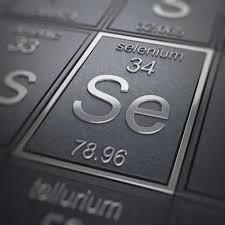
Selenium prices refer to the cost of selenium metal or selenium compounds in global commodity markets, typically quoted per kilogram or tonne. Although selenium is not widely known outside industrial circles, it plays an important role in modern technology, glass manufacturing, electronics, solar energy, and chemical applications. Because selenium’s demand comes from real-world industrial use rather than speculation, selenium prices generally move in line with manufacturing demand, supply availability, and broader economic activity.
👉 👉 👉 Please Submit Your Query for Selenium prices, demand-supply, suppliers, market analysis: https://www.price-watch.ai/book-a-demo/
What Selenium Is and Why It’s Important
Selenium is a non-metallic element that occurs naturally in the earth’s crust. It has unique properties — including its ability to conduct electricity in response to light — that make it valuable in several industrial areas. One of the most common uses of selenium is in glass production, where it helps remove impurities and improve clarity in flat glass and specialty optical glass.
Selenium is also used in electronics and semiconductors, photocopiers, solar cells, pigments, and in certain chemical processes. Its combination of practical functions makes it useful in everyday products, large industrial systems, and advanced technologies.
Industrial Demand and Its Influence on Prices
One of the main drivers of selenium prices is industrial demand. When manufacturing activity increases — especially in glass production, electronics assembly, or solar energy manufacturing — selenium consumption tends to rise. This growing demand puts upward pressure on selenium prices.
Glass manufacturing, in particular, is a steady source of selenium demand, because industries from construction to automotive and consumer electronics rely on glass products. When construction activity or industrial output is strong, selenium consumption tends to follow, supporting selenium price trends.
Supply Availability and Market Conditions
Selenium is usually produced as a by-product of copper refining. Because it is not mined as a primary product, its supply depends heavily on the production levels of copper and other base metals. If copper production increases, selenium supply typically rises; if copper output slows, selenium availability can tighten. These supply shifts influence selenium prices over time.
Because selenium’s supply is tied to other metals, price movements can sometimes reflect broader trends in the base metals market rather than selenium-specific factors alone. When key mining regions expand or reduce output, selenium pricing may respond accordingly.
Global Market and Trade Influence
Selenium is traded internationally, and its price is linked to global supply and demand patterns. International freight costs, currency exchange rates, and trade policies can affect how selenium is priced in different regions. For example, a weaker local currency can make imported selenium more expensive for buyers, even if global reference prices remain stable.
Unlike precious metals such as gold or silver, selenium prices are less influenced by speculative investor behavior. Instead, they tend to follow practical demand from industrial buyers and global production conditions.
Production Costs and Energy
Producing selenium — especially refining it from copper anode slimes or other by-products — involves energy and processing costs. When energy prices increase (for electricity or fuel), the cost of refining selenium can rise. This can contribute to higher selenium prices over time.
Similarly, improvements in processing technologies or more efficient refining methods can help reduce production costs, which may ease price pressure in the long run.
Environmental and Regulatory Impact
Environmental regulations affect how selenium and other by-product metals are handled during mining and refining. Because selenium can be toxic in high concentrations, producers must adhere to environmental standards for waste management, water use, and emissions. Compliance with these standards can influence production costs and supply availability.
At the same time, responsible environmental practices support long-term sustainability in the metals sector, helping ensure that supply remains stable while meeting industry and regulatory expectations.
Everyday Uses and Hidden Demand
Most people never see selenium metal directly, yet they benefit from products that contain it. Solar panels that generate clean energy often use selenium-based materials. Glass products in buildings, vehicles, and consumer goods depend on selenium for quality and clarity. Electronics and specialty industrial systems also rely on selenium’s unique properties.
Because of this widespread but often hidden use, selenium demand remains consistent across many sectors, contributing to stable pricing patterns.
Short-Term Fluctuations vs. Long-Term Trends
Selenium prices can experience short-term fluctuations due to changes in supply conditions (such as disruptions in base metal mining) or sudden shifts in manufacturing demand. For example, a rapid increase in solar panel production may temporarily lift selenium demand and prices.
However, over the long term, selenium price trends generally follow more predictable patterns linked to industrial growth, manufacturing cycles, and technological adoption. These longer-term trends often provide a more reliable view of selenium’s market direction.
Conclusion
Selenium prices are shaped by industrial demand, supply availability tied to base metal production, production and energy costs, global trade conditions, and environmental regulations. Because selenium supports glass manufacturing, electronics, solar energy, and other core industries, its price trend reflects real economic activity rather than short-term speculation. While prices may experience short-term fluctuations due to specific supply or demand events, long-term selenium price trends are closely linked to broader patterns of industrial use and global economic growth.
👉 👉 👉 Please Submit Your Query for Selenium prices, demand-supply, suppliers, market analysis: https://www.price-watch.ai/book-a-demo/
About Price Watch™ AI
Price-Watch AI is an India-based, independent raw material price reporting agency that provides real-time price forecasts and data-driven insights into global raw material markets. Price-Watch AI specializes in tracking raw material prices, analyzing market trends, and delivering timely updates on plant shutdowns, supply disruptions, capacity expansions, and demand-supply dynamics. The Price-Watch AI platform empowers manufacturers, traders, and procurement professionals to make faster, smarter decisions. Leveraging AI-powered forecasting and over a decade of historical data, Price-Watch AI transforms market volatility into actionable opportunity.
Futura Tech Park,
C Block, 8th floor 334,
Old Mahabalipuram Road,
Sholinganallur, Chennai, Tamil Nadu, Pincode - 600119.
LinkedIn: https://www.linkedin.com/company/price-watch-ai/
Facebook: https://www.facebook.com/people/Price-Watch/61568490385598/
Twitter: https://x.com/pricewatchai
Website: https://www.price-watch.ai/

 English
 Arabic
 Spanish
 Portuguese
 Deutsch
 Turkish
 Dutch
Dutch
 Italiano
 Russian
 Romaian
 Portuguese (Brazil)
 Greek
Greek