

Calcium Carbonate Prices: A Simple Guide to How They Move and Why They Matter
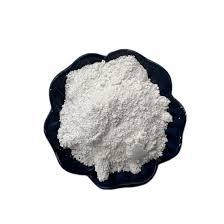
Calcium carbonate prices refer to the cost of calcium carbonate, usually quoted per tonne in global and regional markets. Calcium carbonate is a naturally occurring mineral found in limestone, chalk, and marble. It plays a vital but often unnoticed role in everyday life and in many industrial processes. Because its demand comes from practical use — not speculation — calcium carbonate prices generally follow patterns in industrial activity, construction demand, and manufacturing needs.
👉 👉 👉 Please Submit Your Query for Calcium carbonate prices, demand-supply, suppliers, market analysis: https://www.price-watch.ai/book-a-demo/
What Calcium Carbonate Is and Why It Matters
Calcium carbonate is a common mineral that serves as a key raw material in many industries. It is used in construction materials like cement and concrete, in paper and plastics as a filler or coating, in paints and coatings for brightness and opacity, and even in pharmaceuticals and food products as an additive. This wide range of uses gives calcium carbonate a stable demand base across multiple sectors.
Because so many everyday and industrial products rely on calcium carbonate, changes in its price can reflect broader patterns in economic and manufacturing activity.
Industrial Demand and Price Influence
One of the main drivers of calcium carbonate prices is industrial demand. When sectors like construction, manufacturing, and packaging expand, demand for calcium carbonate rises. For example, strong construction activity boosts demand for cement and other building materials that use calcium carbonate, supporting higher prices.
Similarly, when paper production increases, manufacturers often use more calcium carbonate as a filler to reduce costs and improve product quality. These shifts in demand help shape calcium carbonate prices over time.
Supply Conditions and Mining Output
Calcium carbonate is produced through mining and crushing natural deposits of limestone or chalk. Supply conditions depend on the availability and accessibility of high-quality deposits, mining regulation, and transportation infrastructure.
When mining operations are affected by environmental regulations, logistical issues, or weather events, supply can tighten, which may push calcium carbonate prices higher. Conversely, when mining capacity increases or production becomes more efficient, supply may rise and price pressure can ease.
Production Costs and Energy Influence
Producing calcium carbonate involves quarrying, crushing, grinding, and screening rock, which requires energy and equipment. Energy costs — such as electricity and fuel — are a significant part of production expenses. When energy prices increase, production becomes more costly, and these higher costs may be reflected in calcium carbonate prices.
Similarly, improvements in processing technology and energy efficiency can help lower production costs over time, which may support more stable pricing.
Global Market and Trade Dynamics
Although calcium carbonate use is often local due to transportation costs for a bulky mineral, global trends can still influence prices. Countries with large manufacturing bases or expanding infrastructure projects can affect regional demand. Shipping costs, currency fluctuations, and trade policies can also impact prices, especially when calcium carbonate crosses borders.
Because calcium carbonate is used as a raw material rather than as a financial investment, its price trend typically reflects how industries and economies are performing rather than speculative trading behavior.
Environmental Regulations and Sustainability
Environmental rules affect how mining and processing are done. Regulations related to dust control, land use, water management, and restoration of mining sites can increase production costs. While these regulations help protect the environment, they can also influence calcium carbonate prices over time.
At the same time, the industry is exploring more sustainable mining practices and recycling opportunities in sectors like paper and plastics, which may help balance supply pressures and contribute to more stable prices.
Everyday Use and Hidden Demand
Most consumers never see calcium carbonate in its raw form, but they benefit from it every day. It is part of the paint on walls, the paper in notebooks, the plastics in household items, and the cement in sidewalks and buildings. This widespread use creates a constant baseline demand that supports relatively stable pricing trends over the long term.
Because calcium carbonate is integral to products people rely on, its price movements often align with everyday economic activity rather than sudden financial market trends.
Long-Term Outlook for Calcium Carbonate Prices
Looking ahead, calcium carbonate demand is expected to remain closely tied to growth in construction, manufacturing, packaging, and industrial production. Urbanization and infrastructure development in emerging economies are likely to support long-term demand.
Technological improvements in mining, processing, and transportation may also help moderate costs and support more consistent pricing, even as global demand patterns evolve.
Conclusion
Calcium carbonate prices are shaped by industrial demand, supply conditions, production and energy costs, trade dynamics, and environmental regulations. Because calcium carbonate is used in a wide array of everyday products and essential industries, its price trend reflects real economic activity rather than short-term market speculation. Over time, calcium carbonate prices tend to follow steady industrial consumption patterns tied to construction, manufacturing, and consumer goods — making them a meaningful indicator of broader economic trends.
👉 👉 👉 Please Submit Your Query for Calcium carbonate prices, demand-supply, suppliers, market analysis: https://www.price-watch.ai/book-a-demo/
About Price Watch™ AI
Price-Watch AI is an India-based, independent raw material price reporting agency that provides real-time price forecasts and data-driven insights into global raw material markets. Price-Watch AI specializes in tracking raw material prices, analyzing market trends, and delivering timely updates on plant shutdowns, supply disruptions, capacity expansions, and demand-supply dynamics. The Price-Watch AI platform empowers manufacturers, traders, and procurement professionals to make faster, smarter decisions. Leveraging AI-powered forecasting and over a decade of historical data, Price-Watch AI transforms market volatility into actionable opportunity.
Futura Tech Park,
C Block, 8th floor 334,
Old Mahabalipuram Road,
Sholinganallur, Chennai, Tamil Nadu, Pincode - 600119.
LinkedIn: https://www.linkedin.com/company/price-watch-ai/
Facebook: https://www.facebook.com/people/Price-Watch/61568490385598/
Twitter: https://x.com/pricewatchai
Website: https://www.price-watch.ai/

 English
 Arabic
 French
 Spanish
 Portuguese
 Deutsch
 Turkish
 Dutch
Dutch
 Italiano
 Romaian
 Portuguese (Brazil)
 Greek
Greek